Quick Answer
To avoid lost luggage on a connecting flight, you should aim for layovers that are at least 90 minutes long. This gives ground crews enough time to transfer bags between planes even if your first flight suffers a minor delay. Short connections are the number one cause of bags failing to make it onto the second aircraft.
I always recommend using a GPS tracker like an Apple AirTag and removing all old barcode stickers from your suitcase before checking it. These simple steps, combined with verifying your final destination code on the bag tag at the check-in counter, significantly reduce the risk of a lost suitcase. If you have a high-stakes meeting or a tight schedule, the only foolproof method is to skip the check-in counter and use a carry-on bag instead.
The Connection Time Factor
The biggest reason bags go missing is a short connection window. When you book a flight with a forty-five minute layover, you might be able to sprint to the next gate, but your suitcase probably cannot. Ground crews need to offload the plane, sort the luggage, and drive it across the tarmac to your next gate.
I prefer to book connections that allow for two hours of ground time. This provides a safety net for those common twenty-minute delays on the tarmac. If your first flight lands late, your bag is often the first thing to be left behind because the ramp agents are rushing to get the second plane out on schedule.
If you are traveling internationally and need to clear customs, you need even more time. In many countries, you have to physically collect your bag and re-check it after passing through immigration. If you do not account for this three-hour window, your luggage will likely sit in the arrivals hall while you are already boarding your next flight.
Remove Those Old Barcode Stickers
I often see suitcases covered in colorful stickers from past trips to Paris or Tokyo. While they look like cool souvenirs, they are a nightmare for automated sorting systems. The scanners at the airport are looking for a barcode to tell the conveyor belt where to send your bag.
If an old sticker from three years ago gets scanned instead of your current one, your bag might end up in the wrong terminal or on the way to a completely different city. I make it a habit to peel off every single white barcode sticker before I leave for the airport.
Check the handle, the sides, and the bottom of your suitcase. Even those tiny little square stickers with three-letter codes can confuse the laser sensors. Starting with a clean bag ensures the machinery only sees the information relevant to your flight today.
Verify the Destination Tag
When you drop your bag at the counter, the agent will print a long adhesive tag. Before they send it down the belt, take two seconds to look at it. You are looking for the three-letter airport code for your final destination, not just your layover city.
If you are flying from Los Angeles to London via New York, the big letters on that tag should say LHR, not JFK. If the agent accidentally tags it only to your connection point, you will be waiting at the carousel in London while your bag is spinning around in New York.
I also ask the agent to confirm that the bag is checked all the way through. Usually, the system does this automatically, but confirming it out loud gives me peace of mind. If they tell you that you need to pick it up at the connection, you now have that vital information before you leave.
Use Technology to Track Your Gear
I never fly without a GPS tracking device inside my checked luggage. Whether you use an AirTag or a Tile, these devices are game changers for modern travel. They allow you to see exactly where your bag is located using your smartphone.
When I land at my connecting airport, I check my phone to see if my bag is also at the airport. If the app shows my suitcase is still at my departing city, I can move toward the service desk immediately instead of waiting at a carousel for an hour. This saves an incredible amount of time and frustration.
A tracker also helps you if the airline insists they do not know where the bag is. You can show them the map on your screen and prove that it is sitting in Terminal 4. It provides a level of accountability that simply did not exist a decade ago.
The Art of the Visible Bag
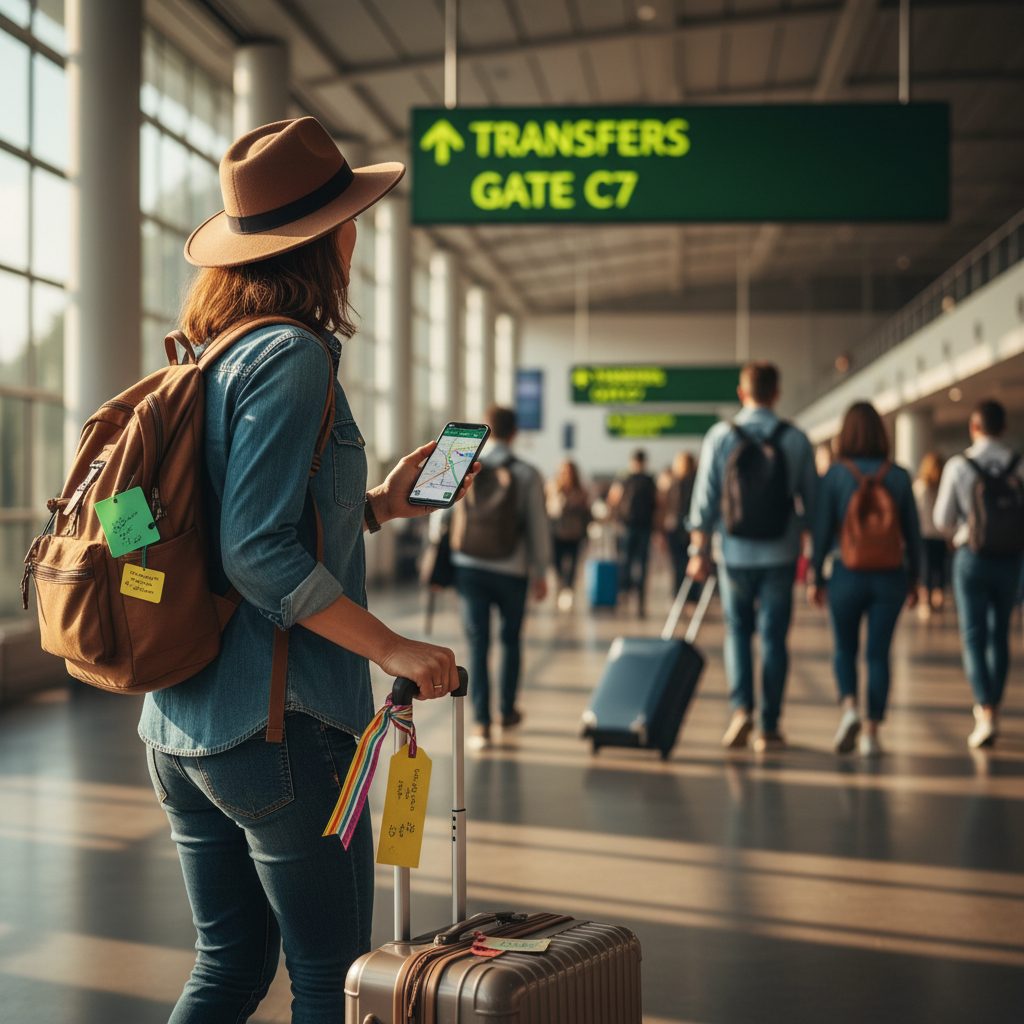
Black rectangular suitcases make up about eighty percent of all luggage on any given flight. This makes it very easy for someone else to accidentally grab your bag at the carousel, or for a ramp agent to misidentify it. I use a bright neon luggage strap or a colorful handle wrap to make my bag stand out.
If your bag does go missing, a description like "a black suitcase" is useless to the airline staff. A description like "a black suitcase with a bright orange strap and a yellow ribbon on the handle" is much easier for them to locate in a sea of lost gear.
I also recommend taking a photo of the outside of your bag before you hand it over. If you have to file a claim, you can show the agent exactly what they are looking for. Having a photo of the contents inside is also a smart move for insurance purposes if the bag is never found.
What to Keep in Your Personal Item
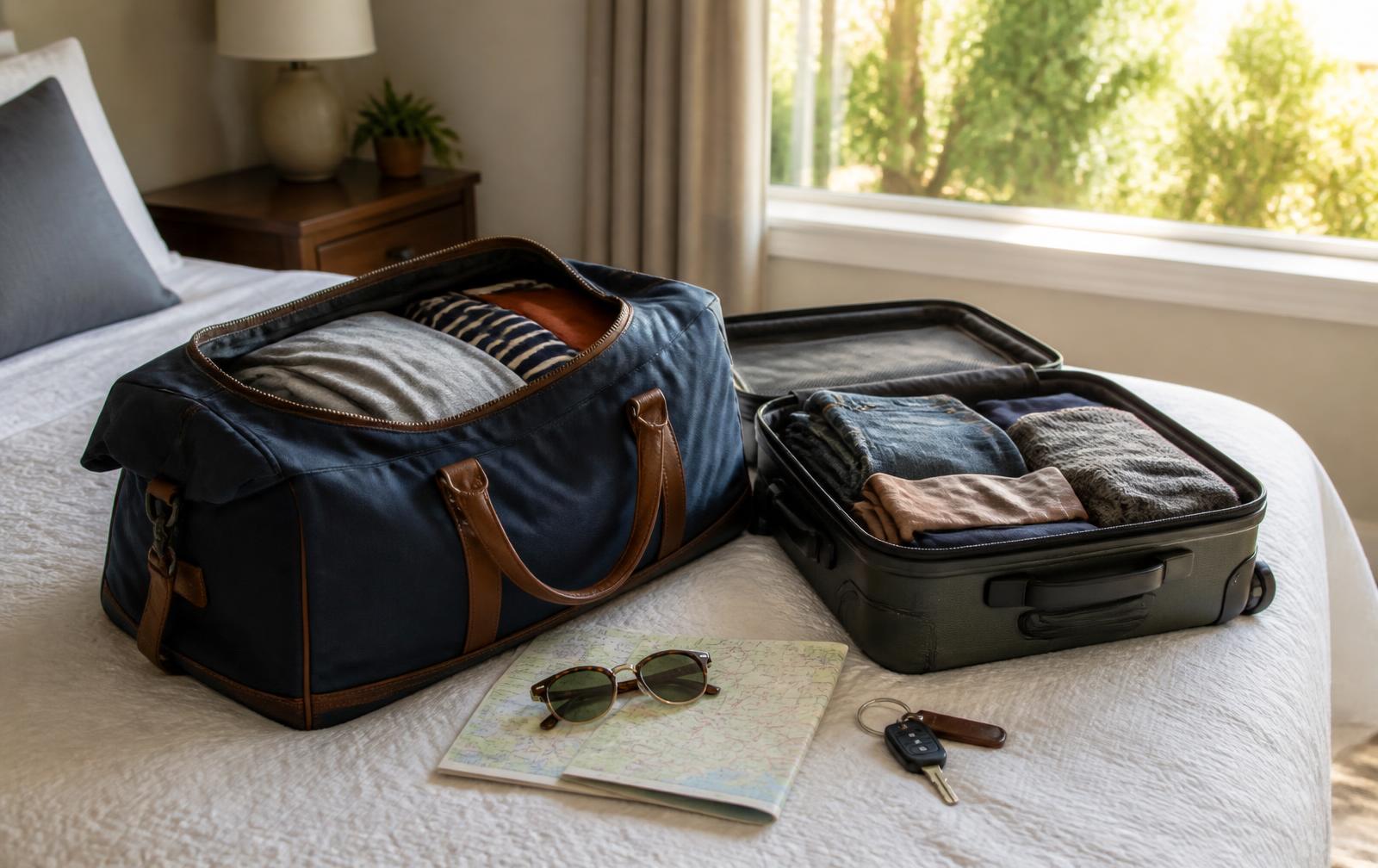
No matter how many precautions you take, bags can still get delayed. I always pack a survival kit in my backpack or carry-on. This ensures that a missing suitcase does not ruin the first two days of my trip.
- A full change of clothes including clean socks and underwear.
- All essential medications and prescriptions in their original bottles.
- Charging cables for your phone, laptop, and watch.
- Essential toiletries like a toothbrush and basic makeup.
- Expensive items like cameras, jewelry, or important documents.
I assume that my checked bag might arrive twenty-four hours late. If I have my essentials with me, I can still enjoy my first night at the hotel and attend any planned events without feeling stressed. Never put anything in a checked bag that is truly irreplaceable.
Know When to Carry On
There are certain times when I refuse to check a bag at all. If I have a connection that is under an hour, or if I am flying on two separate tickets with different airlines, I stick to a carry-on. Connecting between two different airlines is particularly risky because their computer systems might not communicate well.
If you are traveling for a wedding and have your dress or suit, do not check it. If you have a business presentation the next morning, do not check your materials. The peace of mind that comes with having your bag in the overhead bin is often worth the extra effort of packing light.
Many modern travelers have switched to the one bag method. By using a forty-liter backpack or a standard sized rolling suitcase, you bypass the check-in line and the baggage claim entirely. This is the only 100 percent effective way to ensure your luggage stays with you for the entire journey.
Frequently Asked Questions
Will the airline put my bag on the next flight if I miss my connection?
Usually, yes, if you miss the flight due to an airline delay, they will rebook you and your bag together, but sometimes your bag will actually arrive on an earlier flight than you do. You should check with the luggage office at your final destination to see if they are holding it in a secure area.
Do I have to pay twice for baggage on a connecting flight?
No, if your flights are booked under a single reservation or ticket, you generally pay the baggage fee only once at your initial departure airport. If you booked two separate tickets on different airlines, you would likely have to pay each carrier separately and re-check your bags during the layover.
Is it safer to check bags on direct flights?
Yes, direct flights have a significantly lower rate of lost or delayed luggage because there is no transfer process involved. The most common point of failure for luggage is the manual handling during a connection, so flying nonstop is always the safest choice for your gear.
What should I do if my bag does not come out on the carousel?
You must visit the airline baggage service office before you leave the airport to file a Property Irregularity Report. Make sure you get a copy of the report and a reference number, as you will need these to track the bag online and to file any future insurance claims for reimbursement.
Can I track my bag through the airline app?
Most major US carriers and many international airlines now allow you to track your bag in real-time through their official mobile app. The app will usually show you when your bag has been loaded onto the plane and when it has been offloaded, providing an extra layer of visibility during your connection.
Final Thoughts on Smart Packing
Avoiding lost luggage is mostly about preparation and realistic expectations. By giving yourself enough time for connections and using basic tools like trackers and clear identification, you put the odds in your favor. Most lost bags are actually just delayed and end up back with their owners within forty-eight hours.
I find that being organized at the start of the trip makes the middle of the trip much smoother. Keep your baggage claim receipts stuck to the back of your passport or saved in your phone. If something does go wrong, remain calm and polite with the staff, as they are your best resource for getting your belongings back quickly.
Travel is meant to be an adventure, and a little bit of luggage strategy goes a long way. With these tips, you can navigate even the busiest connecting hubs with the confidence that your suitcase will be waiting for you when you reach the final carousel.