Quick Answer
To avoid getting sick while traveling, the most effective strategies are obsessive hand hygiene, prioritizing seven to eight hours of sleep, and staying hydrated with bottled or filtered water. I always carry a small bottle of alcohol-based hand sanitizer and use it after touching high-contact surfaces like plane tray tables or subway poles.
In addition to cleanliness, you should be extremely selective about what you eat in regions with lower water quality standards. Stick to hot, cooked foods and fruits you can peel yourself, such as bananas or oranges, to minimize the risk of foodborne illnesses that can derail your trip.
Master the Art of Hand Hygiene
I cannot stress enough how important your hands are when it comes to picking up viruses and bacteria. Think about how many times you touch your face, eyes, or mouth during a typical hour of sightseeing. Between public transit railings and shared touchscreen kiosks, your fingers are magnets for germs.
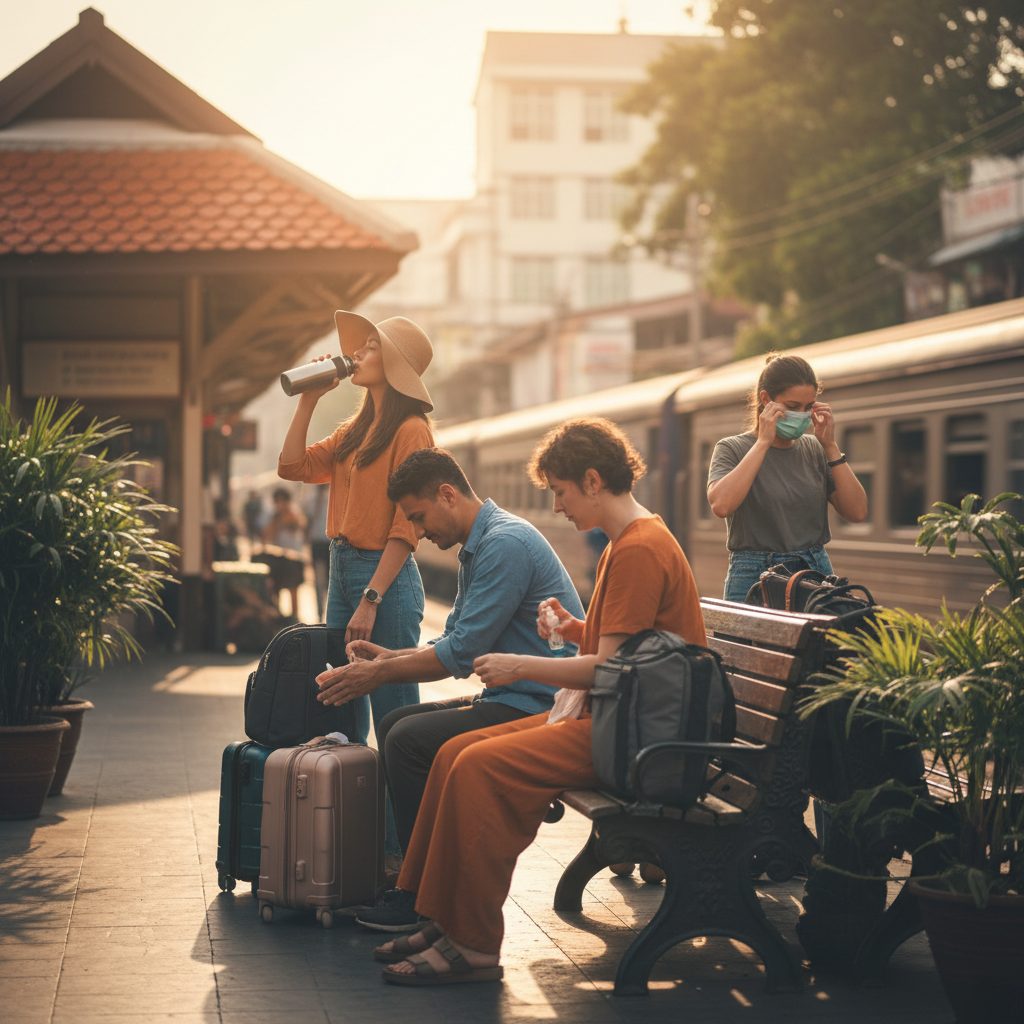
I make it a rule to wash my hands with soap and warm water for at least twenty seconds before every single meal. When a sink is not available, I use a sanitizer that contains at least sixty percent alcohol. I also use disinfectant wipes to clean off seat armrests and tray tables the moment I board a plane or train.
Do not forget your phone in this cleaning routine. Our mobile devices are often the dirtiest things we carry, yet we press them against our faces regularly. I wipe my phone down with an alcohol pad at the end of every travel day to ensure I am not moving bacteria from my hands to my face.
Prioritize Sleep and Stress Management
Traveling is physically taxing even if you are just sitting on a plane. The change in time zones and the physical toll of walking miles through a new city can quickly suppress your immune system. I have learned the hard way that skimping on sleep is the fastest way to catch a local cold.
I aim for at least seven hours of sleep even when I want to stay out late exploring. If I am crossing multiple time zones, I use a low dose of melatonin to help reset my internal clock. Keeping a consistent sleep schedule tells your body that it is safe to maintain its natural defenses.
Try to build in "down days" during longer trips. If you go at full speed for ten days straight, your cortisol levels will spike, which makes you more susceptible to whatever bugs are circulating. I like to spend one afternoon every few days just relaxing at a cafe or reading in a park to recharge my battery.
Smart Eating Habits Abroad
Food poisoning is one of the most common ways a vacation gets ruined. While I love trying local street food, I follow a few strict rules to keep my stomach happy. I look for vendors with a long line of locals, as high turnover usually means the food is fresh and not sitting out in the sun.
If you are in a country where the tap water is not safe, you must be careful with raw vegetables and salads. These are often washed in local tap water, which can lead to issues. I generally stick to the "boil it, cook it, peel it, or forget it" rule when I am in developing regions.
- Avoid ice cubes in drinks if the tap water is not potable.
- Steer clear of buffets where food might sit at room temperature for hours.
- Ensure meats are served steaming hot to ensure bacteria are killed.
- Stick to bottled water with a sealed cap for drinking and even brushing your teeth.
The Importance of Hydration
Dehydration is a sneaky culprit that makes you feel fatigued and weakens your mucous membranes, which are your first line of defense against airborne germs. Airplanes have notoriously low humidity, which dries out your nasal passages and makes it easier for viruses to take hold.
I carry a reusable filtered water bottle with me everywhere. This allows me to fill up at airports or hotels without worrying about the quality of the source. I try to drink twice as much water as I think I need, especially if I am consuming caffeine or alcohol during my trip.
If I am traveling in a very hot climate or doing a lot of hiking, I add electrolyte powders to my water. These help replace the salts lost through sweat and keep my energy levels stable. Staying hydrated helps your lymphatic system flush out toxins and keeps your energy high for the duration of the trip.
Building a Proactive Travel Med Kit
I never leave home without a small, organized medical kit. You do not want to be searching for a pharmacy in a foreign country when you already have a fever or an upset stomach. Having the right tools on hand allows you to treat symptoms the moment they start.
My kit always includes a basic pain reliever like ibuprofen or acetaminophen. I also pack an antihistamine for unexpected allergic reactions to new environments or foods. For digestive issues, I carry an antidiarrheal medication and some ginger chews to help with occasional motion sickness or nausea.
I also include a small thermometer and a few adhesive bandages. If you are prone to blisters from walking, some moleskin or specialized blister pads are essential. Being prepared means you can nip a minor ailment in the bud before it turns into a trip ending illness.
Protecting Yourself from Airborne Illness
Public transportation hubs are hotspots for respiratory infections. When I am in crowded airports or on long bus rides, I consider wearing a high quality mask. This is not just about avoiding others, it also keeps your own breath moisturized, which prevents your throat from getting irritated by dry cabin air.
I also try to improve the ventilation around me whenever possible. On a plane, I turn the overhead air vent to medium and point it directly in front of my face. This creates a small curtain of filtered air that can help push away stagnant particles from the immediate vicinity.
If I notice someone nearby is visibly coughing or sneezing, I do not hesitate to move if there are open seats available. If I cannot move, I make sure my mask is fitted tightly and I avoid touching my face until I can wash my hands thoroughly after disembarking.
Exercise and Movement
It might sound counterintuitive to exercise when you are already tired from traveling, but light movement keeps your circulation flowing and supports your immune system. I like to do a quick ten minute stretch or a light yoga flow in my hotel room every morning.
On long flights, I make it a point to get up and walk the aisles every two hours. This prevents blood clots and keeps your system active. Even just doing some calf raises at the back of the plane can make a big difference in how you feel when you land.
I also prefer walking to my destinations whenever feasible. Getting fresh air and sunlight is a natural way to boost your mood and your vitamin D levels. Just make sure you are wearing supportive shoes to avoid foot pain that could discourage you from staying active.
Frequently Asked Questions
Should I take vitamins or supplements before my trip?
While a multivitamin can help fill nutritional gaps, I find that focusing on a balanced diet of fruits and vegetables is more effective. Some people swear by vitamin C or elderberry, but there is no substitute for sleep and hydration when it comes to staying healthy.
Is it safe to drink the tea or coffee on a plane?
Most experts suggest avoiding the tap water on planes, which is what is often used to brew coffee and tea. I prefer to buy a hot drink at the airport terminal or stick to bottled water and canned beverages while in the air.
What should I do if I start feeling sick while abroad?
The moment I feel a scratchy throat or fatigue, I prioritize rest and fluids immediately. I check my temperature and, if symptoms persist for more than twenty four hours or get worse, I use my travel insurance to find a local clinic for a professional evaluation.
How do I avoid bed bugs or environmental allergens?
I always check the seams of the hotel mattress before unpacking my bags. For allergens, I keep the windows closed if the pollen count is high and I use a nasal saline spray to keep my sinuses clear of dust and pollutants from city streets.
Can I brush my teeth with tap water in countries with water warnings?
I personally choose to use bottled water for brushing my teeth in these areas. It takes very little contaminated water to cause a stomach issue, and using bottled water is a simple precaution that provides significant peace of mind.
Final Thoughts on Travel Wellness
Ultimately, staying healthy while traveling is about being mindful of your body and its limits. I have found that when I treat my body with respect by giving it good food and enough rest, it rewards me by staying resilient. Do not let the excitement of a new place cause you to forget your basic health habits.
Remember that your mental health is just as important as your physical health. If you feel overwhelmed by a busy itinerary, it is okay to cancel a tour and just sit in a park. A relaxed traveler is a healthy traveler, and taking care of yourself is the best way to ensure you enjoy every moment of your adventure.