Quick Answer
The most effective way to eliminate international ATM fees is to use a checking account that offers worldwide ATM fee rebates. Banks like Charles Schwab or Betterment are famous for this, automatically refunding any fees charged by the machine owner at the end of the month.
Additionally, you must always choose to be charged in the local currency of the country you are visiting. If the ATM offers to do the math for you, known as Dynamic Currency Conversion, decline it immediately to avoid a hidden markup that can cost you significant money.
Choose the Right Bank Account Before You Leave
If you use a standard big bank debit card, you will likely get hit by two different charges every time you withdraw cash. Your home bank will charge an out of network fee, and the local bank will charge its own convenience fee. This can easily add up to ten dollars per transaction.
I always recommend opening a dedicated travel checking account. The Charles Schwab High Yield Investor Checking account is the gold standard because it has no monthly fees and offers unlimited ATM fee rebates globally. It feels like a superpower when the machine warns you about a five dollar fee and you know you will get that money back regardless.
Other digital banks like SoFi or Betterment often offer similar perks. Even if you do not want to switch your primary banking, having one of these accounts specifically for your vacation fund is a smart move that pays for itself in one trip.
Always Decline Dynamic Currency Conversion
This is the most common trap I see travelers fall into. When you put your card into a foreign ATM, the machine will often recognize it is a foreign card and ask if you want to be "charged in your home currency" or if you want to "accept their conversion rate."
It sounds helpful, but it is actually a major rip-off called Dynamic Currency Conversion. The ATM owner sets an exchange rate that is much worse than the official market rate, pocketing the difference as extra profit. You are essentially paying for the convenience of seeing the math in dollars.
Always choose the local currency (for example, Euros in France or Yen in Japan). By doing this, you let your own bank handle the conversion. Since your travel-friendly bank uses the wholesale market rate, you will save roughly three to five percent on every single withdrawal.
Identify and Avoid Fee-Heavy Machines
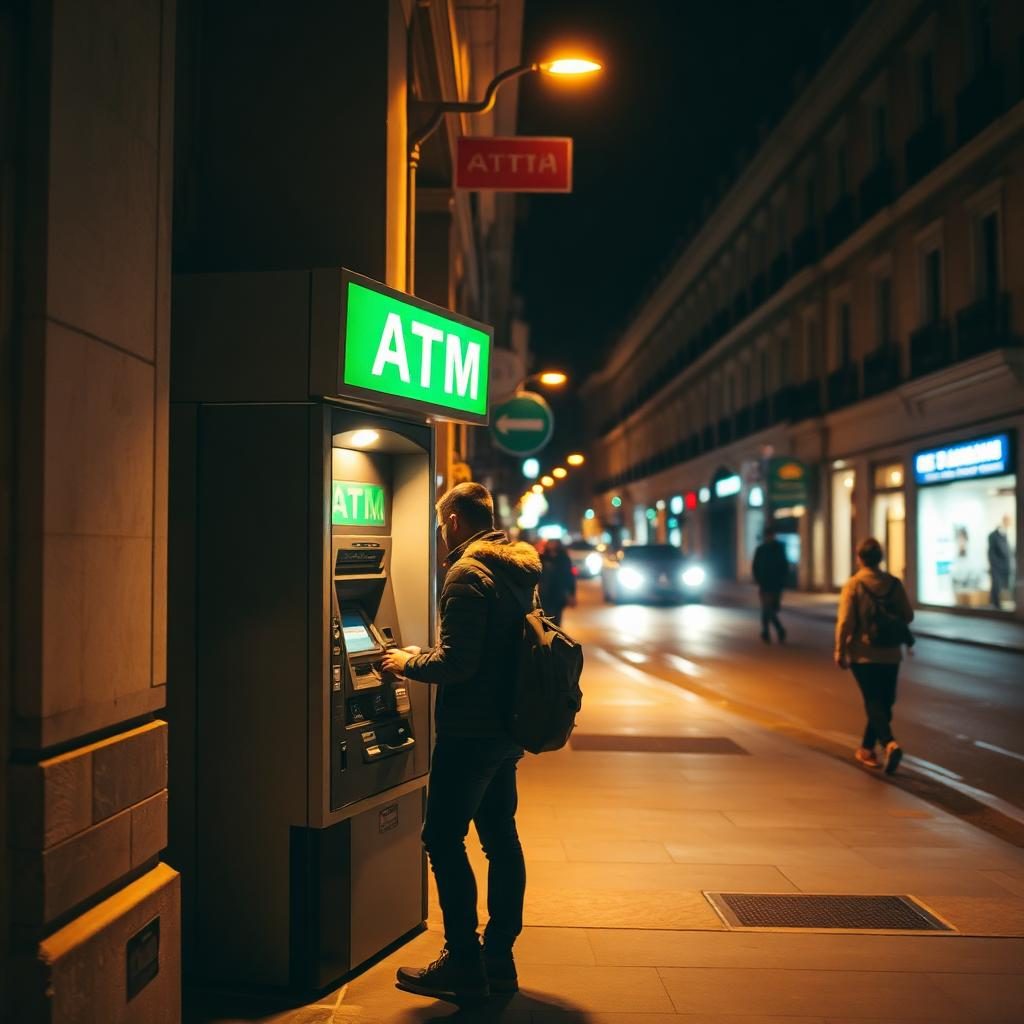
Not all ATMs are created equal. I avoid "independent" ATMs found in convenience stores, gas stations, or busy tourist plazas. Brands like Euronet in Europe are notorious for high fees and aggressive conversion prompts.
Instead, I look for ATMs that are physically attached to a major local bank. These machines are generally more secure and often have lower fees than those standalone kiosks. If you are in a country where bank-owned ATMs still charge fees, your rebate-style debit card will cover them anyway.
Another tip is to check if your home bank is part of the Global ATM Alliance. If you bank with a giant like Bank of America, you can use partner ATMs like Barclays in the UK or Deutsche Bank in Germany to avoid the non-member fee, though you might still pay a percentage-based foreign transaction fee.
Watch Out for Foreign Transaction Fees
Even if you avoid the flat ATM fee, many banks sneak in a "foreign transaction fee" which is usually around one to three percent of the total amount. This applies to both ATM withdrawals and swiping your card at a store.
I make sure my debit card specifically lists "No Foreign Transaction Fees" in the fine print. If your current card has this fee, leave it at home. There is no reason to pay a three percent tax on everything you buy while on vacation.
Keep in mind that some credit cards also waive these fees. I prefer to use a credit card for all my actual purchases to earn points and enjoy better fraud protection, saving my debit card strictly for the occasional cash withdrawal.
Safety First: Spotting Skimmers and Protecting Your PIN
Saving money on fees does not matter if someone steals your card info. Before I insert my card, I always give the card reader a firm tug. If the plastic housing feels loose or bulky, it might be a skimmer designed to record your card data.
I also look for tiny pinhole cameras hidden above the keypad. These are used to film you entering your PIN. I always use my other hand to shield the keypad while I type. It is a simple habit that has saved me from a lot of potential headaches over the years.
If possible, I use ATMs located inside a bank lobby rather than on the street. These are monitored by security cameras and are much harder for criminals to tamper with. Plus, if the machine eats your card, you can walk straight to a teller for help.
Strategic Cash Planning
I try to minimize the number of times I visit the ATM. Even with a fee-rebate card, it is more efficient to take out a larger sum once rather than small amounts every day. I usually aim for a three-day supply of cash at a time.
However, I never carry all of my cash at once. I keep what I need for the day in my wallet and hide the rest in a secure spot back at my accommodation. I also carry at least two different debit cards from two different banks in case one gets flagged for fraud or lost.
Before I fly, I spend a few minutes researching if my destination is cash-heavy or card-friendly. In places like Sweden, you might never need a single coin. In places like Germany or Japan, cash is still king in many small shops and restaurants.
Mobile Wallets and Contactless Options
In many parts of the world, contactless payment is the standard. I find that using Apple Pay or Google Pay on my phone is often safer and more convenient than pulling out a physical card. It uses tokenization, which means your actual card number is never shared with the merchant.
Some modern ATMs even allow for "tap" withdrawals. If you see a contactless symbol on the ATM, you might be able to get cash just by tapping your phone and entering your PIN. This completely eliminates the risk of card skimming since your card never enters a slot.
Even with these high-tech options, I still keep a physical card tucked away in my luggage. Technology can fail, and some older machines in rural areas will still require a physical chip or even a magnetic stripe.
Frequently Asked Questions
Will my local credit union card work at international ATMs?
Most credit union cards work fine as long as they are on the Visa or Mastercard networks, but you should call them first to check for foreign transaction fees and to set a travel notice so they do not block your card.
Is it better to exchange money at the airport or use an ATM?
I never use airport exchange kiosks because their rates are among the worst you will find. Using an ATM with a travel-friendly debit card and declining the conversion will always give you a better rate than a physical exchange booth.
What should I do if an ATM asks for a six digit PIN?
Most international ATMs accept four digit PINs even if they look like they want six digits. Simply enter your four digit code and press the enter button. If it fails, you may need to find a different bank's machine.
How do I know if a bank will refund my fees?
You need to read your bank's terms and conditions or look for the "Schedule of Fees" document. Look for terms like "ATM fee reimbursement" or "rebates for third party ATM surcharges."
Do I need to notify my bank before I travel?
Many modern banks use advanced fraud detection and no longer require travel notices, but it is still a good practice to check your banking app. I usually take thirty seconds to update my travel settings just to be safe.
Summary of Best Practices
Getting cash abroad does not have to be expensive if you prepare ahead of time. My routine is simple: use a Schwab debit card, find a reputable bank-owned ATM, and always say "No" to any offer for the machine to do the currency conversion for me.
By following these steps, I consistently get the exact market exchange rate without paying a single cent in fees. Those small savings add up over a long trip, leaving me with more money for local food, tours, and experiences instead of giving it to a bank.