Quick Answer
Surviving a long-haul flight in economy comes down to four things: pick the seat carefully (window for sleep, aisle for movement, exit row only if you can stand the colder draft), bring a small comfort kit (neck pillow, eye mask, earplugs or noise-cancelling headphones, compression socks, lip balm and a refillable water bottle), drink water on every drinks pass, and walk the aisle every 2 hours.
Do that and even a 14-hour flight is tolerable. Skip those and even a 7-hour flight will wreck you.
Pick the Right Seat
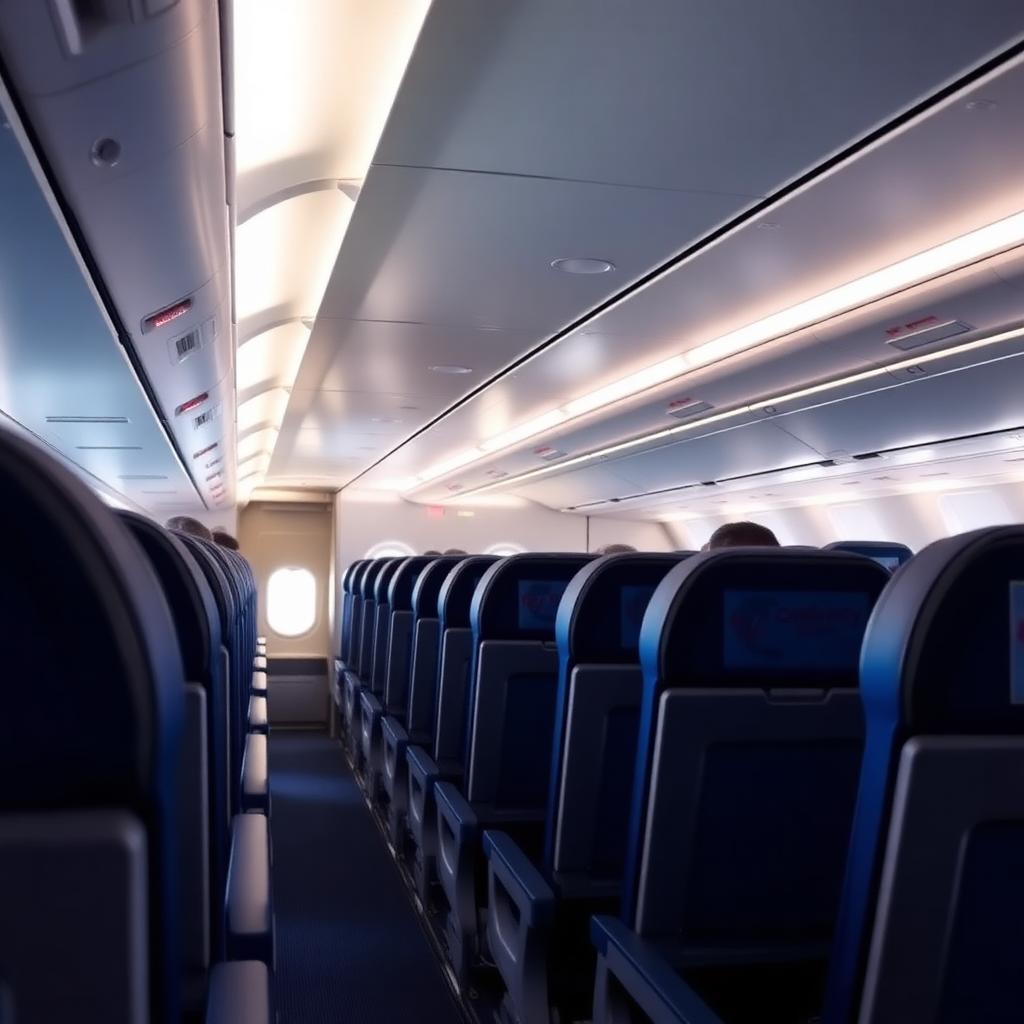
SeatGuru and AeroLOPA show the real seat map for almost every aircraft type. The differences matter on a long flight:
- Window: best for sleepers. You control the shade and nobody climbs over you.
- Aisle: best if you drink water properly (you will need to get up). Avoid the last row near the lavatories.
- Exit row: extra legroom, but no recline on some aircraft and the floor is colder.
- Bulkhead: no underseat storage, fixed armrests, but more legroom and no recliner in your face.
- Avoid: the back third (turbulence is worse and service comes last), middle seats in the centre block on 3-4-3 widebodies.
If your airline allows seat selection at check-in for free 24 hours out, set a phone reminder. The good seats often free up at that window.
Pack the Right Bag
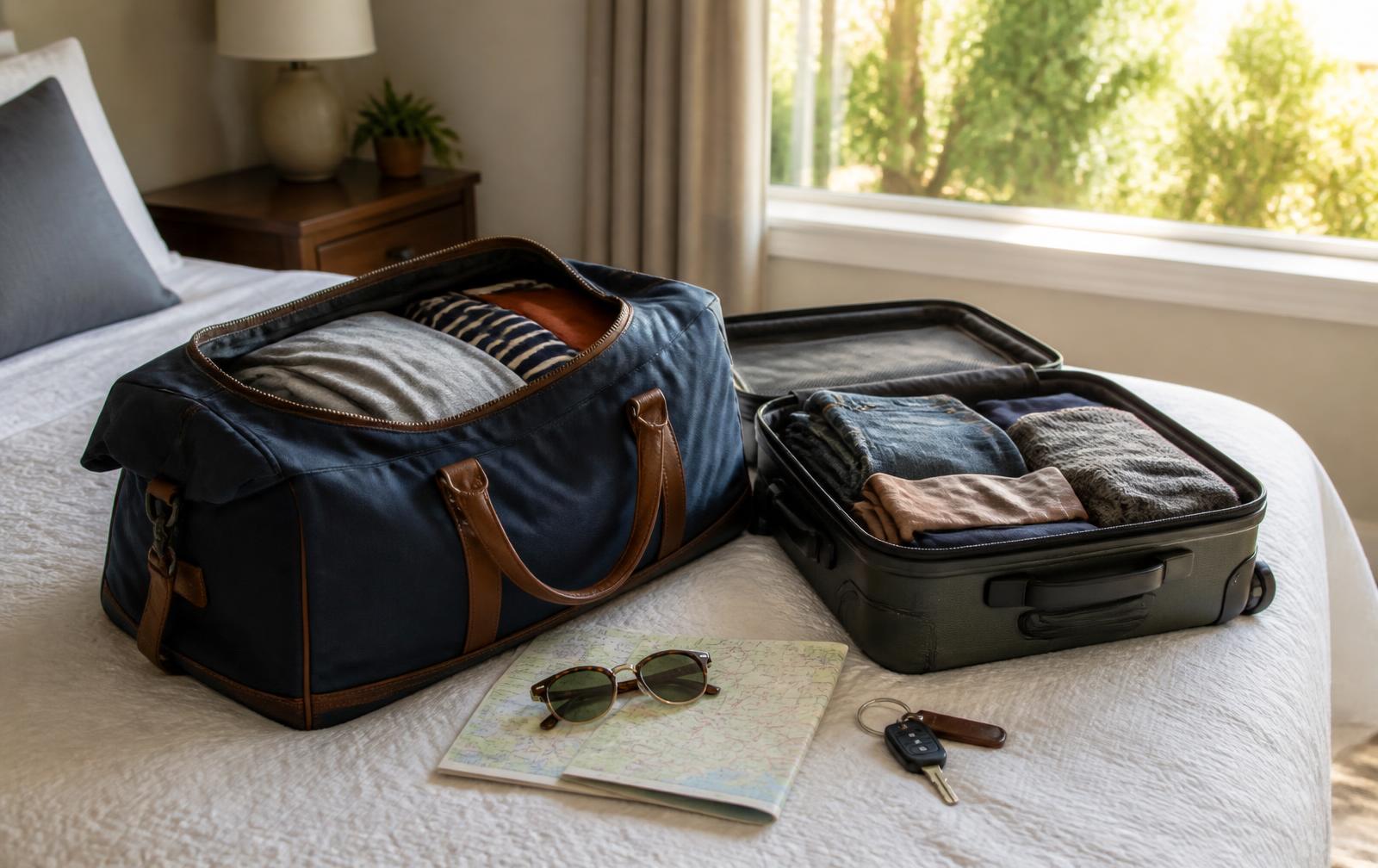
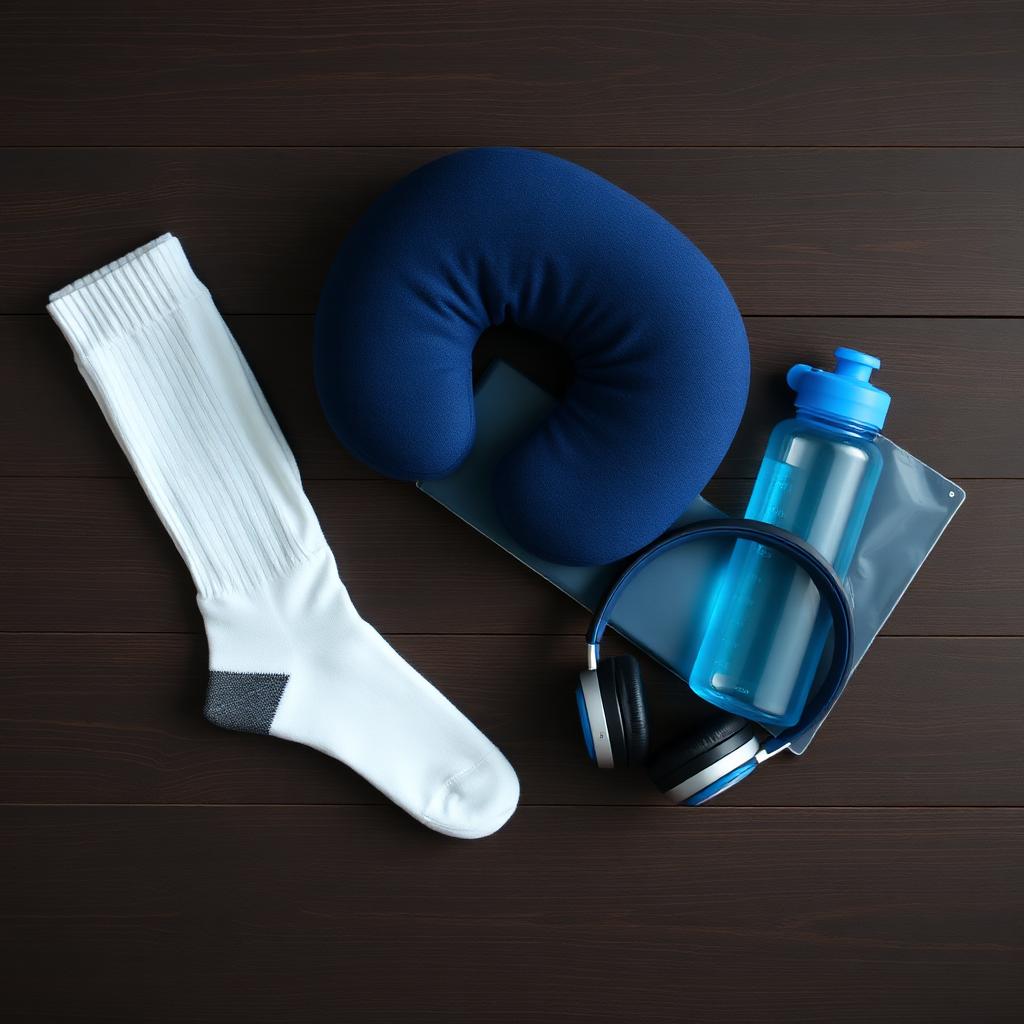
You only need one personal item near you. Keep the overhead bin for everything else. The under-seat kit that earns its keep on a long-haul:
- Noise-cancelling headphones or foam earplugs (cabin noise sits around 80 dB).
- Eye mask, ideally contoured so it does not press on your eyelashes.
- A wool or fleece layer. Cabin temperatures often drop to 18 C overnight.
- Reusable water bottle, filled after security. Cabin humidity is 10 to 20 percent.
- Lip balm and a small moisturiser (under 100 ml).
- Compression socks 15 to 20 mmHg, especially for flights over 6 hours.
- Phone, charger, and a downloaded library of films, podcasts and music in case the seatback IFE fails.
- A change of socks and a clean t-shirt for the last hour before landing.
Hydrate Like a Professional
Cabin humidity is similar to a desert. Aim for roughly 250 ml of water per hour, more than the cabin crew brings around. Skip alcohol on long-haul. The pressurised cabin amplifies the dehydrating effect and the bad sleep that follows usually outweighs the moment of relaxation.
Caffeine is fine on the day-time half of the flight if it lines up with your destination clock; cut it 6 hours before your target sleep window.
Sleep on the Plane
Eat early in the flight and decline the second meal if it conflicts with your sleep window. Set the seat just past the click point, recline, eye mask on, headphones on, and use a thin pillow or rolled jumper for lumbar support. Some travellers swear by 0.3 to 0.5 mg of melatonin 30 minutes before the target sleep time; check with your doctor first.
Move Your Body
Stand and walk the aisle for 2 to 3 minutes at least every 2 hours. In your seat, do calf raises, ankle circles and hamstring stretches. Long-haul flights raise the risk of deep vein thrombosis; compression socks plus movement reduce it.
Eat the Right Things
Airline food trends salty and heavy. Bring or buy after security: fresh fruit, nuts, an oat bar or two, a protein-forward sandwich. Eat one airline meal for hydration (the trays usually include water) and skip the second if you are trying to sleep.
Land Ready, Not Wrecked
An hour before landing, brush your teeth in the lavatory, wash your face, change socks and the t-shirt, and walk the aisle one last time. You step off the plane feeling 60 percent rather than 20 percent.
Bottom Line
Long-haul economy is a structural problem you solve with small habits: seat-map research, a 250 g comfort kit, constant water, compression socks, a real sleep plan, and a refresh in the last hour. None of it costs much, all of it changes the next 12 hours.
How to Survive Long-Haul Flight Days Back-to-Back
If you have a multi-leg long-haul itinerary, the rules change slightly. Survive long-haul flight days back-to-back by treating the connection as part of the flight, not a break. Shower in the airline lounge if you have access (Priority Pass, Amex Platinum, or a day pass for 30 to 60 USD), change clothes, eat a real meal, and walk for 10 to 15 minutes before reboarding.
Avoid heavy alcohol between legs; the dehydration compounds. A 20-minute lie-down in a quiet corner of the terminal beats sitting at the gate for 3 hours.
Long-Haul With Kids and Babies
Book the bulkhead row with a bassinet for infants on long-haul flights; most full-service carriers offer one. Pack twice as many snacks, nappies and changes of clothes as you think you need. Headphones designed for kids (Puro, BuddyPhones) cap volume safely. A new small toy revealed every two hours buys remarkable amounts of cooperation.
After You Land
Stand up straight, drink another 500 ml of water, and get sunlight on your face for at least 15 minutes within the first hour. Save the shower for after the daylight walk; you reset faster.