Quick Answer
Sourdough discard chocolate chip cookies use 100 g of unfed starter (100 percent hydration) folded into a standard cookie dough with two simple compensations. Drop one egg from the recipe to balance the extra liquid, and brown the butter to evaporate residual water and deepen the flavour. The result is a cookie that is chewier in the centre, slightly tangy, and richer than the standard version.
A 100 g hit of discard contains roughly 50 g flour and 50 g water, so think of it as both an ingredient and a flavour booster. The lactic and acetic acids in mature discard tenderise the gluten, which is why these cookies stay soft for days.
You can use this trick with any cookie recipe. The two adjustments stay the same. Subtract one egg, brown the butter.
What sourdough discard does to a cookie
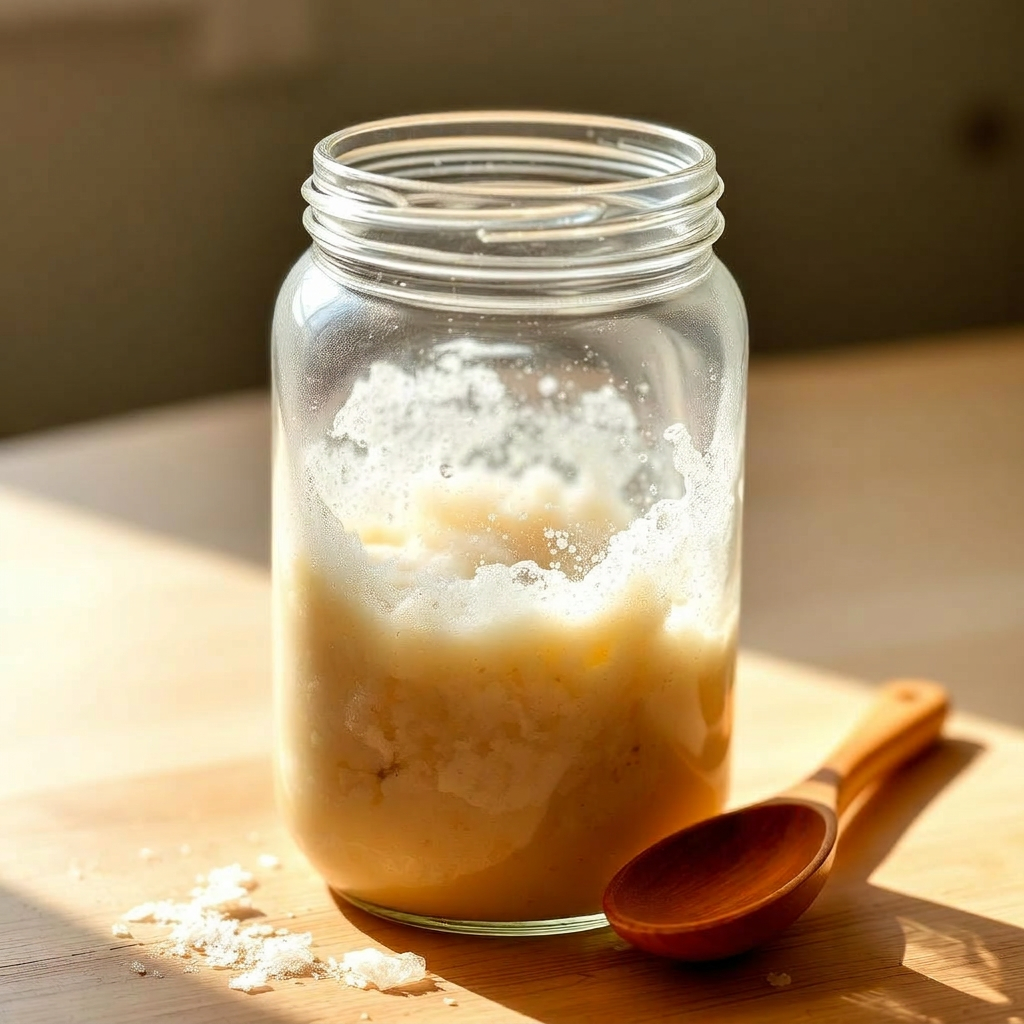
Discard adds three things to the dough. It adds liquid, it adds acid, and it adds enzymes. The acid is the headline. It softens gluten strands so the cookie is more tender. It also reacts with the baking soda for a small extra lift. The enzymes slowly break down starches into simple sugars, which is why a discard cookie develops deeper caramel notes during baking than a standard one.
The acid is mild. You taste it as a faint tang on the finish rather than a sharp sour note. People who do not know there is discard in the cookie almost never identify it. They just say the cookie tastes more complex.
The recipe
- 240 g all purpose flour (less than standard, because discard adds 50 g).
- 1 teaspoon baking soda.
- Half a teaspoon fine sea salt.
- 226 g unsalted butter, browned and cooled.
- 165 g packed brown sugar.
- 120 g granulated white sugar (slightly less to balance the sweetness).
- 1 large egg, room temperature (not 2).
- 2 teaspoons vanilla extract.
- 100 g sourdough discard, room temperature.
- 340 g chocolate chips or chunks.
How to brown butter for cookies
- Melt the butter in a light coloured saucepan over medium heat.
- Once melted, the butter foams. Stir gently and watch the milk solids at the bottom of the pan.
- After 4 to 6 minutes, the foam subsides and the solids turn golden, then deep amber. The smell shifts from buttery to nutty and toasty.
- Pull off the heat immediately. The pan keeps cooking. Pour into a bowl and let cool for 15 to 20 minutes until just lukewarm.
Browned butter loses about 15 to 20 percent of its weight to water evaporation, which is exactly what we want when adding the water rich discard back in.
Step by step method
- Brown and cool the butter as above.
- Whisk dry. Combine the flour, baking soda, and salt in a medium bowl.
- Combine wet. In a large bowl, whisk the cooled brown butter with both sugars. Add the egg, vanilla, and sourdough discard. Whisk until smooth.
- Fold in dry. Tip in the flour mix and fold with a spatula just until combined.
- Add chocolate. Fold in the chocolate chips.
- Chill. Cover and refrigerate for at least 1 hour, or up to 48 hours. A longer rest deepens the tang.
- Scoop and bake. Scoop 2 tablespoon balls onto parchment lined trays. Bake at 350 F (176 C) for 10 to 12 minutes until edges are golden and centres still look soft.
- Rest. Cool on the tray for 5 minutes, then transfer to a rack.
What if my discard is older than a week
Older discard has more pronounced sour notes. If your jar smells sharp or vinegar like, cut the discard back to 75 g and reduce the white sugar by 10 g to balance. Discard up to 2 weeks old still bakes beautifully. After 3 weeks the flavour can be unpleasant and the rise too unpredictable.
Texture you should expect
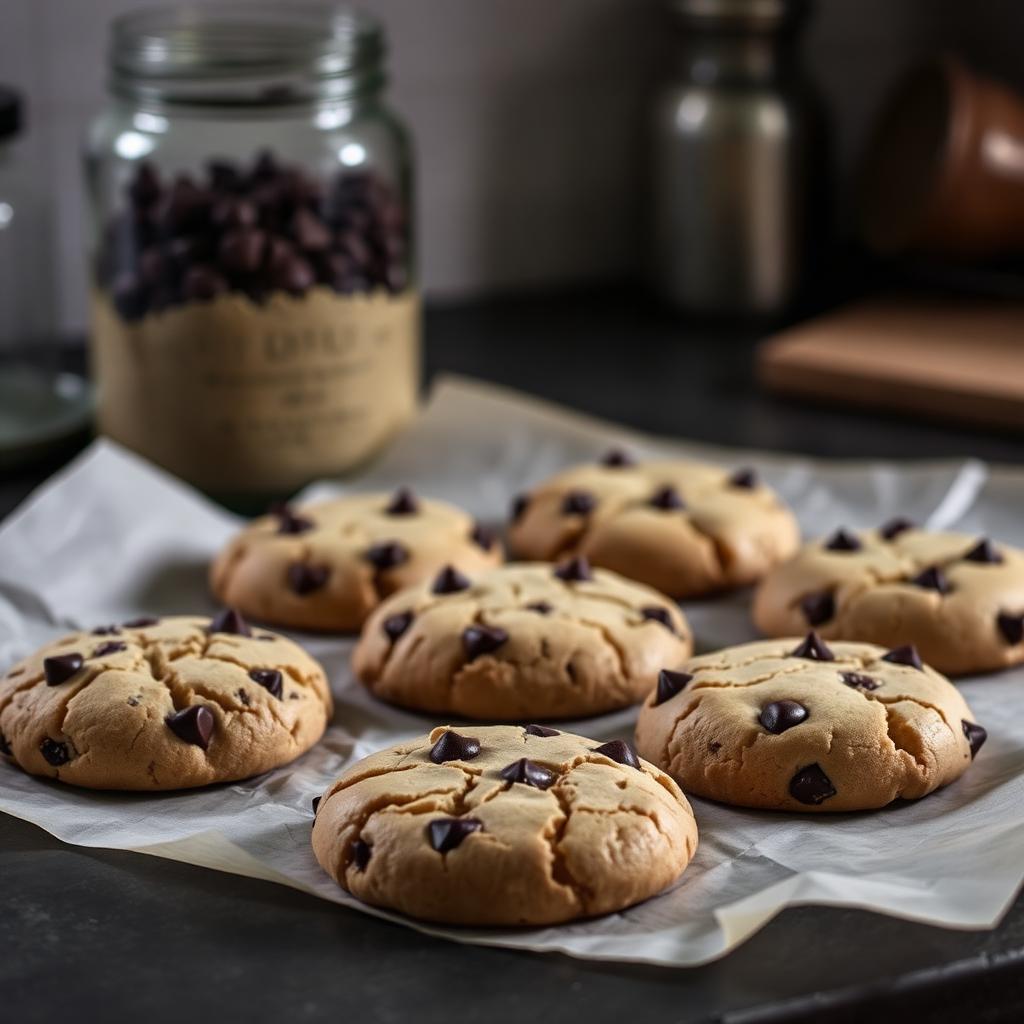
These cookies bake slightly thicker than a standard chip cookie because the discard adds structural starch. The edges crisp, the centre stays soft and almost custard like, and the chocolate pools just like in a classic recipe. By day 2 they are even better. The acid keeps them tender well past the point standard cookies start to dry out.
Why people get this recipe wrong
- Adding discard without dropping an egg. Too much liquid, the cookies spread thin and the centres taste underdone.
- Using cold discard straight from the fridge. Shocks the warm butter and gives you lumpy dough. Let the discard sit out for 30 minutes first.
- Skipping the brown butter step. Works, but the cookies miss the depth that balances the discard tang.
Variations worth trying
- Rye discard. Earthy and slightly malty. Pairs beautifully with dark chocolate at 70 percent cocoa.
- Whole wheat discard. Nuttier flavour. Reduce the brown sugar by 15 g to balance.
- Mixed chocolate. Use half chips, half chopped 70 percent dark bar for visual and flavour contrast.
- Sea salt finish. Sprinkle flaky salt on each cookie the moment it leaves the oven.
Storage notes
- Counter. Up to 5 days in an airtight tin. They stay softer than standard cookies thanks to the acid.
- Freezer (baked). Up to 3 months.
- Freezer (raw dough balls). Up to 3 months. Bake from frozen, add 2 minutes.
Frequently asked questions
Do I need active starter?
No. Unfed discard works perfectly. Active starter introduces too much rise and the cookies puff into a cakey texture.
Can I taste the sourdough?
Subtly, on the finish. It reads more like complexity than sourness.
Will the cookies rise?
Yes, but from the baking soda rather than the discard. The discard contributes only minimal lift.
Can I skip the chill?
Not recommended. The dough is wetter than a standard recipe and needs the chill to set up before baking.