Quick Answer
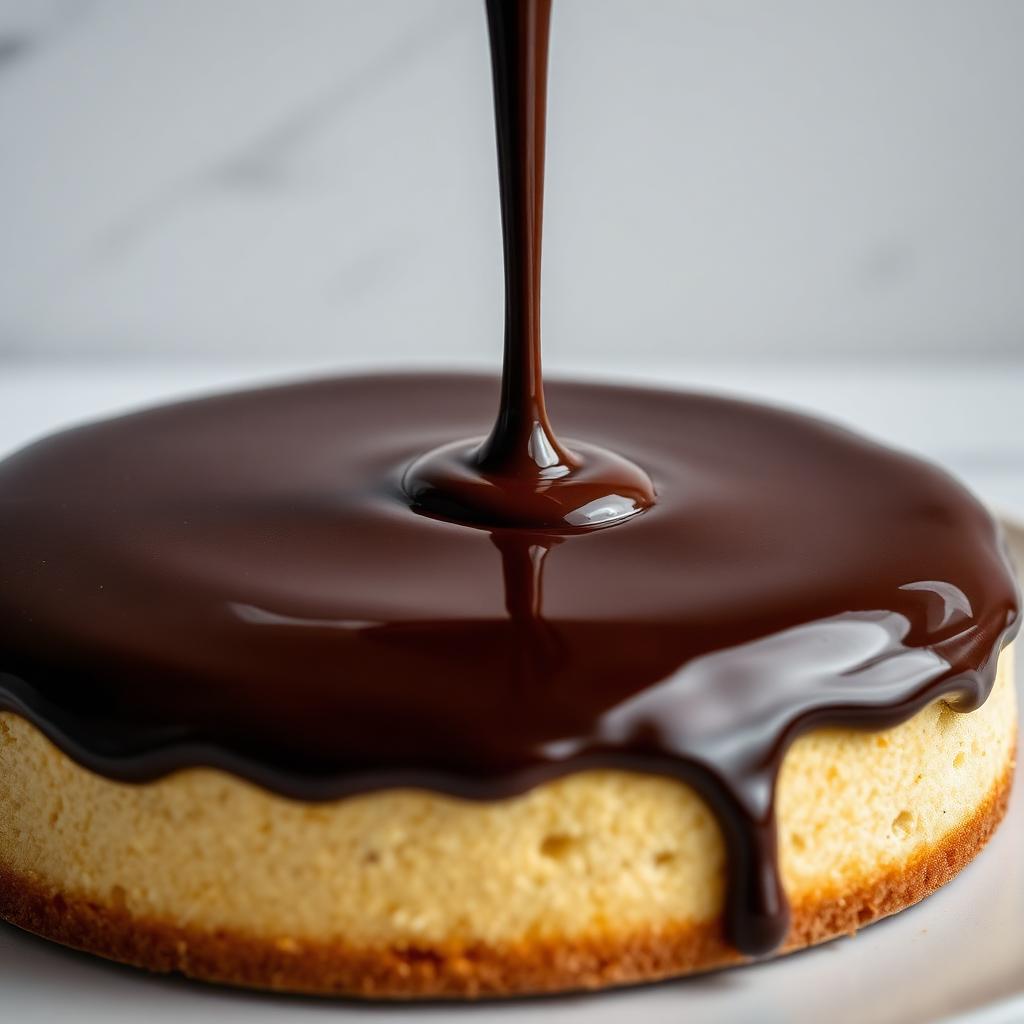
Chocolate ganache is a simple emulsion of chopped chocolate and hot heavy cream. The ratio decides the consistency. A 1 to 1 ratio (200 g chocolate to 200 ml cream) gives a pourable glaze. A 2 to 1 ratio (400 g chocolate to 200 ml cream) gives a firm paste for truffles. A 1 to 2 ratio (100 g chocolate to 200 ml cream) gives a thin, sauce like ganache for fondues or whipped frostings.
Use weight, not volume, for chocolate. The hot cream is poured over the chocolate, left to sit for 5 minutes covered, then stirred gently from the centre outward into a smooth, glossy emulsion.
The chocolate should be finely chopped before the cream touches it. Large chunks melt unevenly and overheat at the edges, which is the main reason home ganache breaks into a greasy mess.
Why ganache works
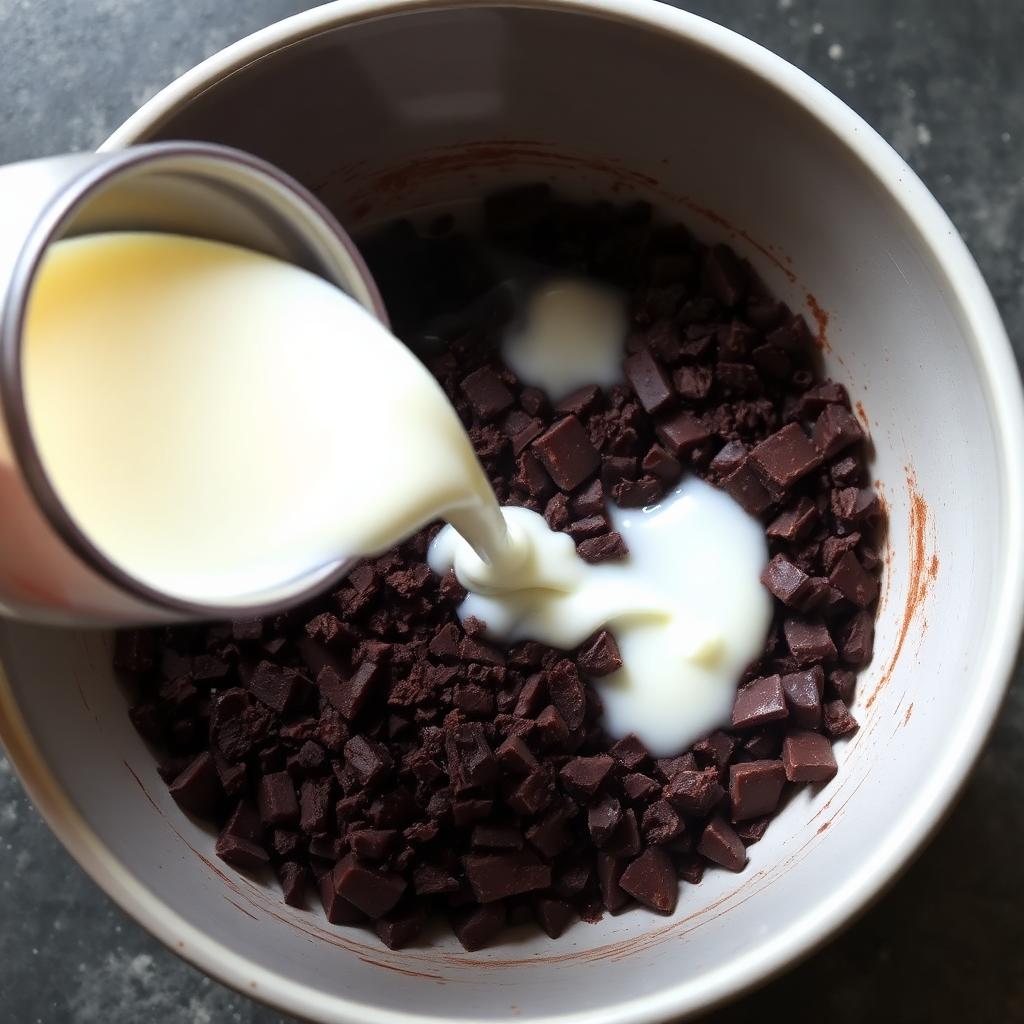
Ganache is a stable suspension of cocoa solids and fats in water (from the cream). The cream's natural fat content and proteins surround the cocoa butter from the chocolate, holding everything in a uniform glossy mixture. As long as the temperature is gentle and the stirring is patient, the emulsion forms reliably.
Heat is the enemy. Too hot and the cocoa butter splits out, leaving you with a greasy puddle of separated fat and dark sludge. Too cold and the chocolate does not fully melt, giving you a lumpy texture. Hot but not boiling is the target.
The three core ratios
| Ratio (chocolate to cream) | Texture when cool | Best use |
|---|---|---|
| 1 to 1 | Soft, pourable, sets to firm spread | Drip cakes, glazing, tart fillings, donut topping |
| 2 to 1 | Thick, firm, holds a shape | Hand rolled truffles, piped filling, sculpted decoration |
| 1 to 2 | Thin, sauce like | Fondue, chocolate sauce, whipped ganache frosting |
The method
- Chop the chocolate finely. Use a serrated knife. Aim for pieces no larger than half a centimetre.
- Place in a heatproof bowl. Glass or stainless steel both work.
- Heat the cream. Pour heavy whipping cream (36 percent fat) into a saucepan over medium heat. Bring just to a simmer. Look for small bubbles around the edge. Do not let it boil.
- Pour over the chocolate. Cover the chocolate with the hot cream so all pieces are submerged.
- Cover and wait. Place a plate or lid over the bowl. Leave it untouched for 5 minutes. The cream warms the chocolate evenly through.
- Stir from the centre. Use a small spatula or spoon. Start in the middle and stir in small circles, gradually working outward. The ganache pulls together into a smooth, glossy paste.
- Adjust temperature. If unmelted lumps remain, place over a pan of warm water for 30 seconds at a time and stir until smooth.
Choosing the right chocolate
- Dark 60 to 70 percent. The most versatile. Works for glaze, truffle filling, and sauces.
- Milk chocolate. Sweeter and softer set. Use 1.5 to 1 ratio (more chocolate) to compensate for the lower cocoa butter content.
- White chocolate. Highest cocoa butter, lowest cocoa solids. Use 3 to 1 ratio for a firm set. Easiest to break, so heat gently.
Common problems and fixes
- Broken or oily. Cream too hot, or stirred too fast. Add a tablespoon of cold cream and stir gently until it comes back. Often this fix works on the first try.
- Lumpy. Chocolate not fully melted. Warm gently over a pan of hot water and stir slowly.
- Too thick after cooling. Add a tablespoon of warm cream and stir.
- Too thin. Add more chopped chocolate and stir over gentle heat until it melts in.
- Grainy. White or milk chocolate overheated. Restart with a fresh batch and lower the heat.
Using ganache
- For a drip cake. Use 1 to 1 ratio. Let cool until just warm (around 86 F or 30 C). Spoon along the cake edge and let gravity pull the drips down.
- For truffles. Use 2 to 1 ratio. Cool until firm. Scoop, roll into balls, then dust with cocoa or coat in tempered chocolate.
- For a tart filling. Use 1 to 1 ratio. Pour into a baked pastry shell and chill to set.
- For whipped frosting. Use 1 to 2 ratio. Chill until thick, then whip with a mixer to a fluffy mousse like texture.
Storage and reheating
- Counter. Up to 2 days in a sealed container.
- Fridge. Up to 2 weeks.
- Freezer. Up to 3 months. Thaw overnight in the fridge.
- Reheat. Warm in a microwave at 50 percent power in 15 second bursts, stirring between each, or over a pan of warm water. Never boil.
Flavour additions
- Espresso. Add 1 teaspoon of instant espresso to the cream before heating.
- Orange or mint. Steep zest or leaves in the cream for 10 minutes off the heat, then strain and reheat.
- Liqueur. Add 1 to 2 tablespoons of rum, Cointreau, or whiskey after the emulsion forms.
- Salted. Add a pinch of flaky sea salt to the finished ganache.
How much ganache do I need
- Drip on an 8 inch cake. 150 g chocolate + 150 ml cream.
- Glaze on a single layer cake. 200 g + 200 ml.
- 24 truffles. 200 g + 100 ml at 2 to 1 ratio.
- Tart filling for a 9 inch tart. 300 g + 300 ml.
Frequently asked questions
Can I use half and half instead of heavy cream?
Not recommended. The lower fat content makes the ganache unstable and prone to breaking.
Can I use chocolate chips?
Standard chips contain stabilisers that resist proper melting. Use chopped baking chocolate for the best texture.
Why does my ganache look dull instead of glossy?
Most often because it cooled too fast or was over stirred. Warm gently and stir slowly to bring back the shine.
Can ganache be left at room temperature on a cake?
Yes, for up to 24 hours in a cool room. Refrigerate if the room is warm or the cake will sit longer.