Quick Answer
The fastest way through airport security in 2026 is TSA PreCheck (USD 78 for 5 years, keeps shoes, belt and laptop in the bag) plus CLEAR (USD 199 a year, skips the ID queue) in the U.S., and Global Entry for international arrivals. Outside the U.S., the equivalents are Registered Traveller in the U.K., Privium at Amsterdam, Mobile Passport Control in Canada and SmartGate in Australia.
Bag prep matters as much as enrolment: 3-1-1 liquids in a clear quart bag, laptop and tablet easy to grab, no metal in your pockets, slip-on shoes. Do that and the line averages 5 minutes.
Enrol in the Trusted Traveller Programmes
- TSA PreCheck (USD 78 / 5 years). Dedicated lane at 200+ U.S. airports and 80+ airlines. Shoes, belt and light jacket stay on. Laptops and 3-1-1 liquid bag stay inside the carry-on. Lane averages 5 to 10 minutes.
- Global Entry (USD 120 / 5 years). Includes TSA PreCheck. Adds expedited U.S. immigration on international arrival. The single best 120 USD a frequent international traveller spends.
- CLEAR Plus (USD 199 / year). Skips the ID-check queue using biometric verification. Pairs with PreCheck for the fastest U.S. experience.
- NEXUS (U.S./Canada) and SENTRI (U.S./Mexico) for cross-border travellers.
- Registered Traveller at U.K. Heathrow, Gatwick, Stansted, Edinburgh, Birmingham (around GBP 100 a year).
Many travel rewards credit cards (Chase Sapphire Reserve, Amex Platinum, Capital One Venture X) reimburse the PreCheck/Global Entry application fee every 4 years.
Pack the Bag for the X-Ray
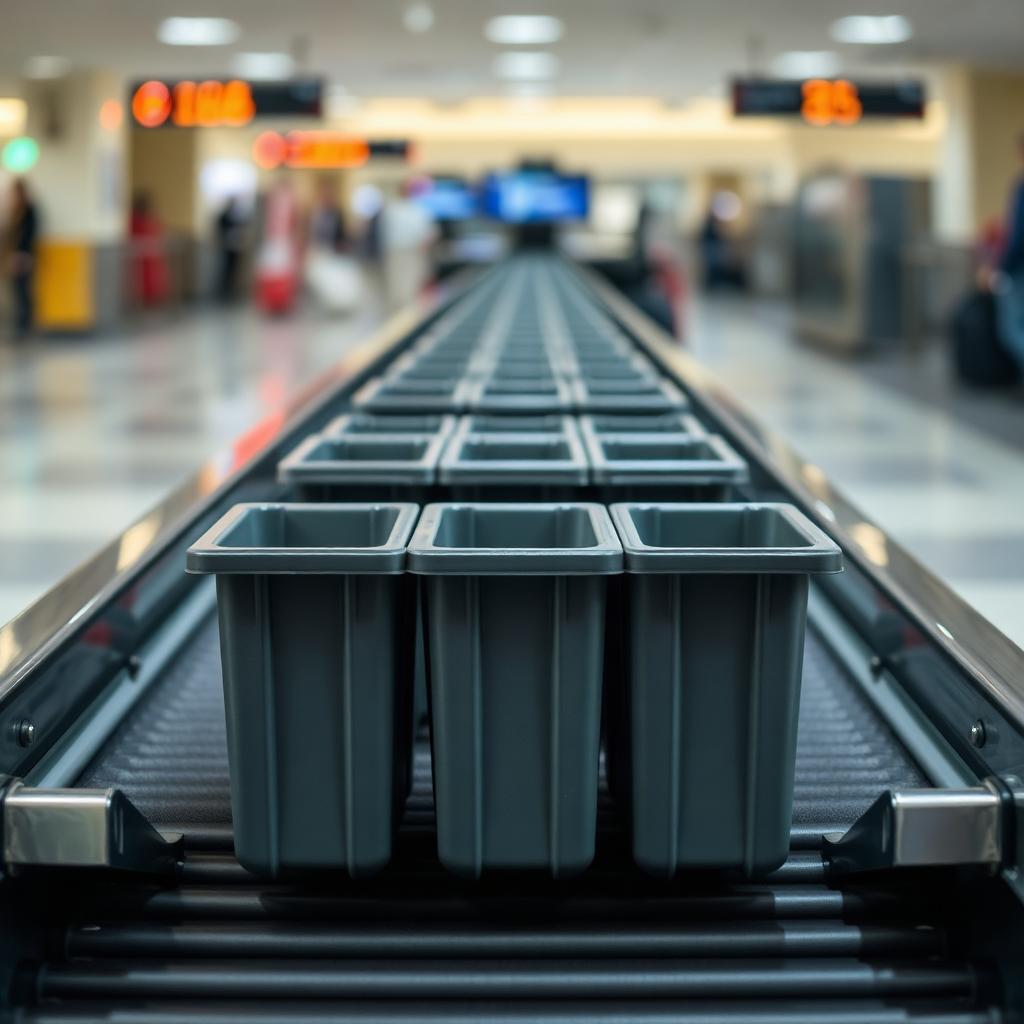
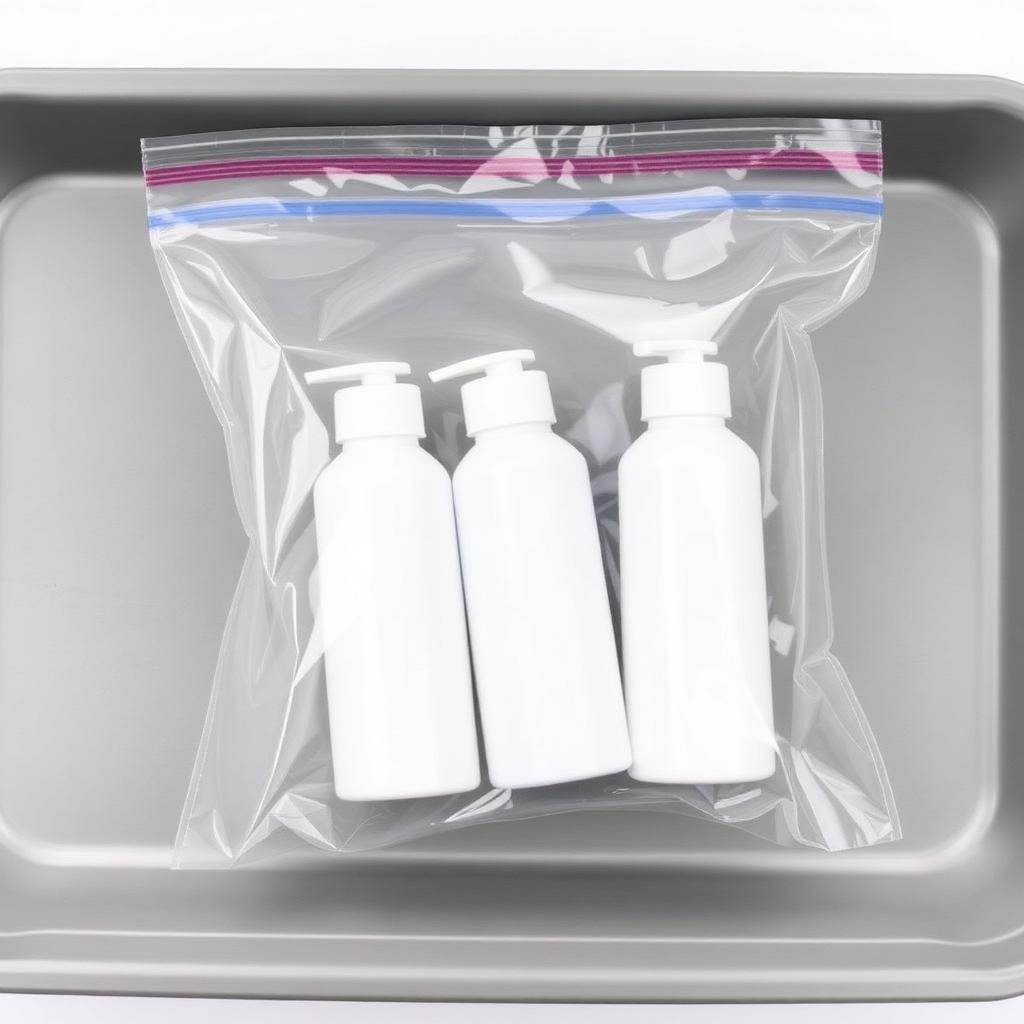
Even with the new CT scanners rolling out at major airports, most lines still want clean separation. The standard rules: liquids and gels in 100 ml (3.4 oz) bottles inside a single 1-quart clear plastic bag (the TSA 3-1-1 rule); laptops and large tablets out of the bag if you do not have PreCheck; food in a separate bin if the agent asks.
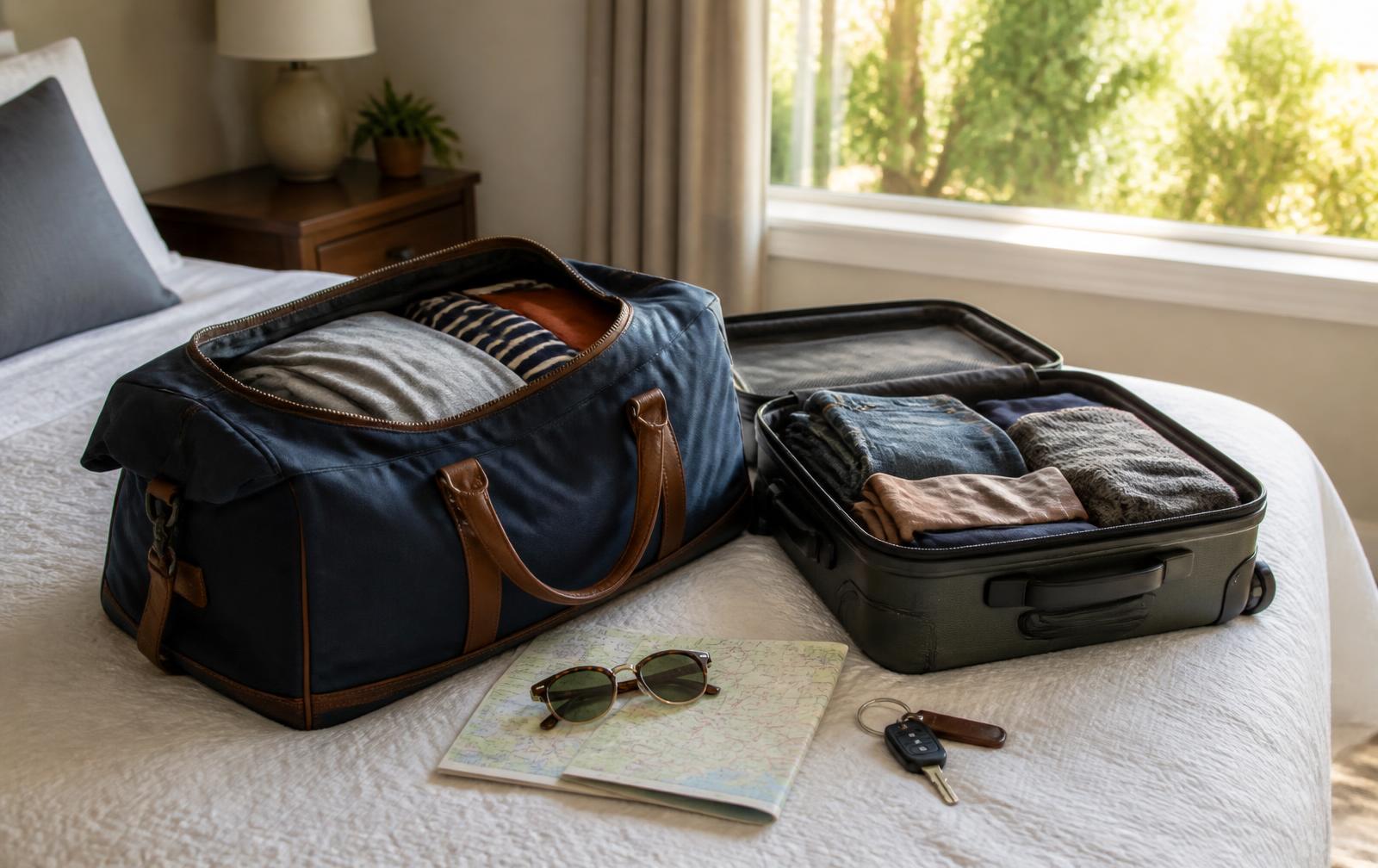
Pack the laptop in an easy-grab outer sleeve, not buried under clothes. Pack the liquid bag in the top pocket so you can pull it out in 2 seconds.
Dress for the Checkpoint
What you wear determines how often you get pulled aside. The fast-flow uniform:
- Slip-on shoes (loafers, slip-on sneakers, or shoes with elastic).
- No belt with a metal buckle; either no belt or one with a plastic clip.
- Empty pockets. Keys, coins, phone all in the carry-on before you reach the bin.
- One light layer you can drop into a bin without unbuttoning.
- Skip the chunky jewellery, metal hair clips and steel-toe boots for the travel day.
Use the App and Off-Peak Windows
The MyTSA app shows live wait times for U.S. airports. Most security lines have predictable peaks: 5 to 7 AM, 11 AM to 1 PM and 4 to 6 PM. If your flight allows it, fly off-peak. If not, arrive at the airport early enough to absorb the queue without panic.
At many international airports the "Fast Track" upgrade is bookable for 5 to 15 EUR at booking or at check-in. Worth it for short connections or early morning departures.
What Not to Pack in the Carry-On
The usual surprises that trigger a bag search:
- Full-size toothpaste, sunscreen, deodorant (treated as liquid/gel).
- Wrapped gifts (security may unwrap).
- External batteries over 100 Wh (allowed up to 100 Wh in carry-on; banned from checked bags entirely).
- Tools longer than 7 inches, including screwdrivers and most multi-tools.
- Liquid foods like yoghurt, hummus, soft cheese, peanut butter over 100 ml.
For full lists, the TSA's "What Can I Bring?" search tool is the authoritative reference.
Stroller, Wheelchair and Family Lanes
Most major U.S. airports operate a family lane that lets families with young children take strollers, car seats and formula through without volume restrictions. Wheelchair users are usually escorted through a separate line by airport staff; request assistance at check-in.
If You Get Pulled Aside
A secondary screening usually adds 3 to 6 minutes. Stay calm, keep eyes on your bag, and ask politely if you can move possessions while they swab. Agents are within their rights to inspect; you are within yours to ask for a private screening if you would prefer one.
Bottom Line
Faster airport security in 2026 is a combination of enrolment (PreCheck + Global Entry + CLEAR in the U.S., Registered Traveller in the U.K.), bag prep (3-1-1 liquids, easy-grab laptop), the right clothes, and avoiding peak windows when you can. Stack those and 5 minutes at the checkpoint is the new normal.
Get Through Airport Security Faster on International Trips
To get through airport security faster on departures from outside the U.S., enrol in the local equivalent: Registered Traveller (U.K.), Privium (Amsterdam), ABC eGates (Schengen), SmartGate (Australia and New Zealand), Automated Border Clearance (Canada), e-Channel (Hong Kong). Most are cheap or free and shave 15 to 30 minutes off the immigration queue.
New CT Scanners and Liquid Rules
Several major airports (Heathrow T5, JFK Terminal 4, Schiphol, Frankfurt) now have CT scanners that no longer require you to remove laptops or liquids from the bag. Rules still vary by lane, so pack as if the strict 3-1-1 rule applies and you will never be slowed down.
Connecting Internationally
On an inbound long-haul, allow 90 minutes minimum for U.S. connections (because Customs and Border Protection plus rescreening) and 60 minutes for European Schengen connections. Global Entry collapses the U.S. side; Mobile Passport Control is a free alternative.