Quick Answer
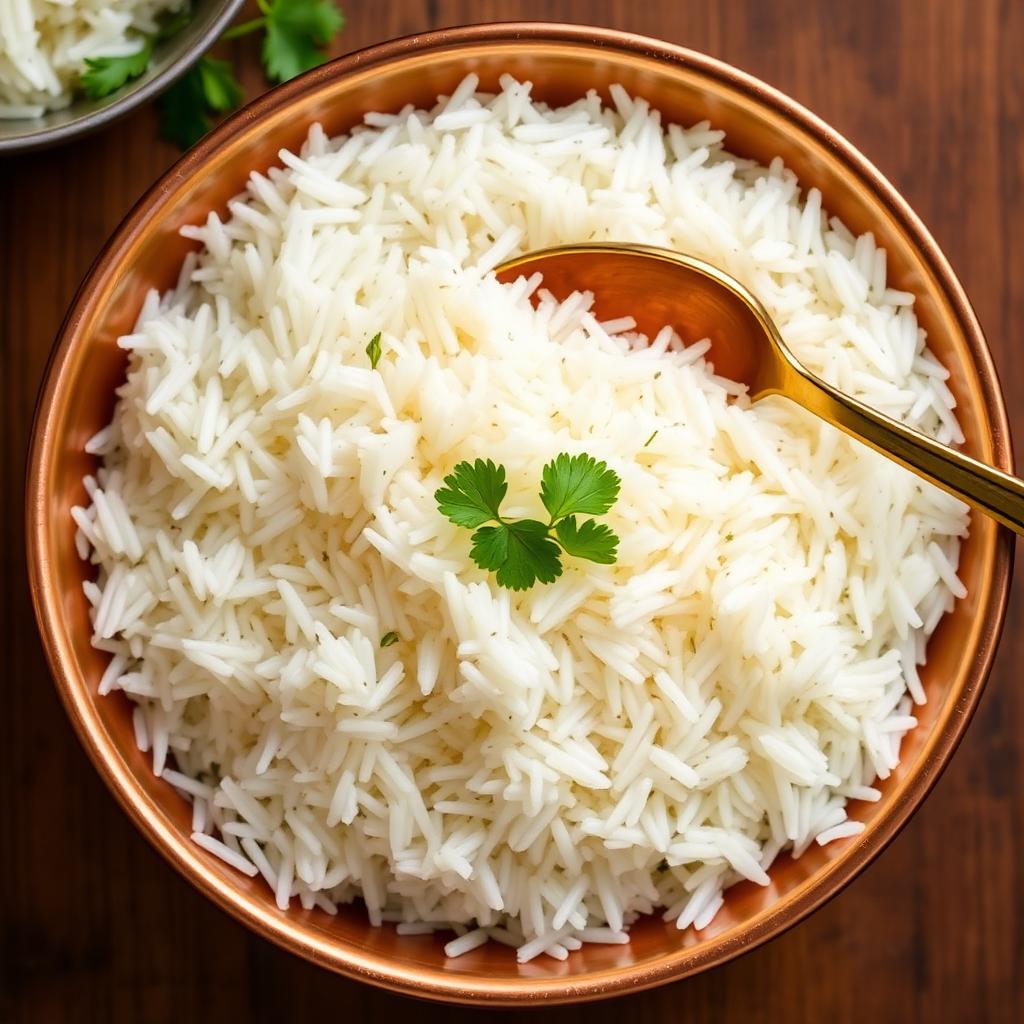
For fluffy basmati on the stovetop, use 1 cup rice to 1.5 cups water (1:1.5 by volume). Rinse the rice until the water runs clear, soak it for 20 to 30 minutes, bring to a boil, cover and simmer on low for 12 minutes, then rest off the heat with the lid on for 10 more minutes. Fluff with a fork, never a spoon.
In an Instant Pot, drop the water ratio to 1:1.25 and pressure cook on high for 6 minutes followed by a 10 minute natural release.
Why basmati is different
Basmati is a long grain, low amylopectin, high amylose variety grown almost exclusively in the foothills of the Himalayas in India and Pakistan. The name comes from the Hindi for "fragrant", and aged basmati develops an unmistakable popcorn aroma from a compound called 2-acetyl-1-pyrroline.
Compared with short grain Japanese or Italian rice, basmati grains nearly double in length when cooked and stay separate rather than sticking together. That separation only happens if you respect three things: starch removal, hydration and a gentle cook.
The four step method
Step 1: rinse until clear
Put your measured rice in a wide bowl and cover with cool water. Swirl gently with your fingers; the water will turn milky white as surface starch (amylose) washes off. Drain and repeat 3 to 5 times until the water is mostly clear. If you skip this step, the surface starch glues the grains together as they cook.
Step 2: soak for 20 to 30 minutes
Cover the rinsed rice with fresh cool water and let it sit. Soaking pre hydrates the grain so it cooks more evenly and elongates fully. Old or unbranded basmati needs the full 30 minutes; aged premium basmati needs only 15 to 20. Drain well before cooking.
Step 3: simmer with the right ratio
The classic stovetop ratio for soaked basmati is 1 cup rice to 1.5 cups water (or stock). If you skip the soak you need closer to 1:1.75. Bring the water and a pinch of salt to a rolling boil in a heavy lidded pot, add the rice, stir once, drop the heat to its lowest setting, cover, and set a 12 minute timer. Do not lift the lid.
Step 4: rest, then fluff
When the 12 minutes are up, turn off the heat and let the pot sit, lid on, for 10 minutes. The residual steam finishes the centre of each grain. Lift the lid and fluff with a fork or chopstick: a metal spoon will crush the delicate grains and turn the pot starchy.
Other cooking methods
Instant Pot
- Rinse and (optionally) soak the rice.
- Add 1 cup rinsed rice plus 1.25 cups water and a pinch of salt to the pot.
- Seal and cook on High Pressure for 6 minutes.
- Let the pressure release naturally for 10 minutes, then vent.
- Fluff with a fork.
Rice cooker
Use the same 1:1.25 ratio as the Instant Pot. Most modern rice cookers have a Basmati or White Rice (Long Grain) setting that already accounts for the lower water needed.
Absorption method without measuring
The classic finger trick from South Asian kitchens: spread rinsed rice flat in a pot, add water until it reaches your first knuckle when you touch the rice with your fingertip. Cook as above. It works because the absorbed soak water makes the depth roughly self correcting.
How much rice per person?
As a side dish, 1/3 cup (uncooked) per person is generous. As the main carb in a biryani or pilaf, 1/2 cup per person. Basmati roughly triples in volume after cooking, so 1 cup uncooked yields about 3 cups cooked.
Common mistakes
- Stirring while it cooks. Breaks the grains and releases starch. Leave the pot alone.
- Lifting the lid. Every peek lets steam escape and the surface dries out.
- Boiling for too long. Basmati needs gentle simmering, not aggressive boiling. The pot should barely whisper.
- Skipping the rest. The 10 minute rest is when the centre of each grain finishes hydrating. Without it the bottom layer is mushy and the top is undercooked.
- Using new crop rice for biryani. Fresh rice has more moisture and clumps more easily. Aged basmati (often labelled 1121 or Sella) holds shape better.
How to flavour it
Plain basmati is great, but small additions transform it:
- A bay leaf, two green cardamom pods, two cloves and a small cinnamon stick added to the soak water for a delicate pulao base.
- A pinch of saffron bloomed in two tablespoons of warm milk drizzled over the rested rice for kesar pulao.
- A tablespoon of ghee stirred in with the fluffing fork.
- Toasted cumin seeds bloomed in oil and folded through for jeera rice.
Choosing the right basmati
Not all basmati is equal. The premium grade most home cooks should look for is labelled aged or extra long grain, with 1121, Pusa or Traditional varieties leading the pack. Aged basmati has been rested in temperature controlled storage for 12 to 24 months, which lowers moisture content and improves grain elongation. Cheaper supermarket basmati is often the current season's harvest and will be stickier, shorter and less aromatic.
Read the label for origin. The European Union and India both grant protected geographical indication status to authentic basmati from specific regions of the Himalayan foothills. Pakistani basmati from Punjab and Indian basmati from Haryana, Punjab and Uttar Pradesh are the gold standard. A 5 kilogram bag of decent aged basmati keeps for two years in a sealed airtight container at room temperature, so buying in bulk is the cheapest route to consistently good rice.
Storage and leftovers
Cooked basmati keeps four days in a sealed container in the fridge. Reheat with a splash of water in the microwave or over low heat with a tight lid. Cooked rice should not sit at room temperature for more than two hours because of Bacillus cereus risk.
FAQs
Can I use chicken or vegetable stock instead of water?
Yes, and the result is noticeably more flavourful. Drop the added salt because most stocks are already salted.
Is brown basmati cooked the same way?
No. Brown basmati needs roughly 1:2 ratio and 35 to 40 minutes of simmering because the bran is intact.
Why do my grains break in half?
Either you stirred during cooking, lifted the lid, or used a heavy metal spoon to fluff. All three damage the long grains.
The takeaway
Perfect basmati is about respect for the grain: rinse off the surface starch, soak to pre hydrate, simmer gently with a 1:1.5 ratio, and rest for ten minutes before fluffing. Master that rhythm once and you will never need to buy boil in a bag rice again.