Quick Answer
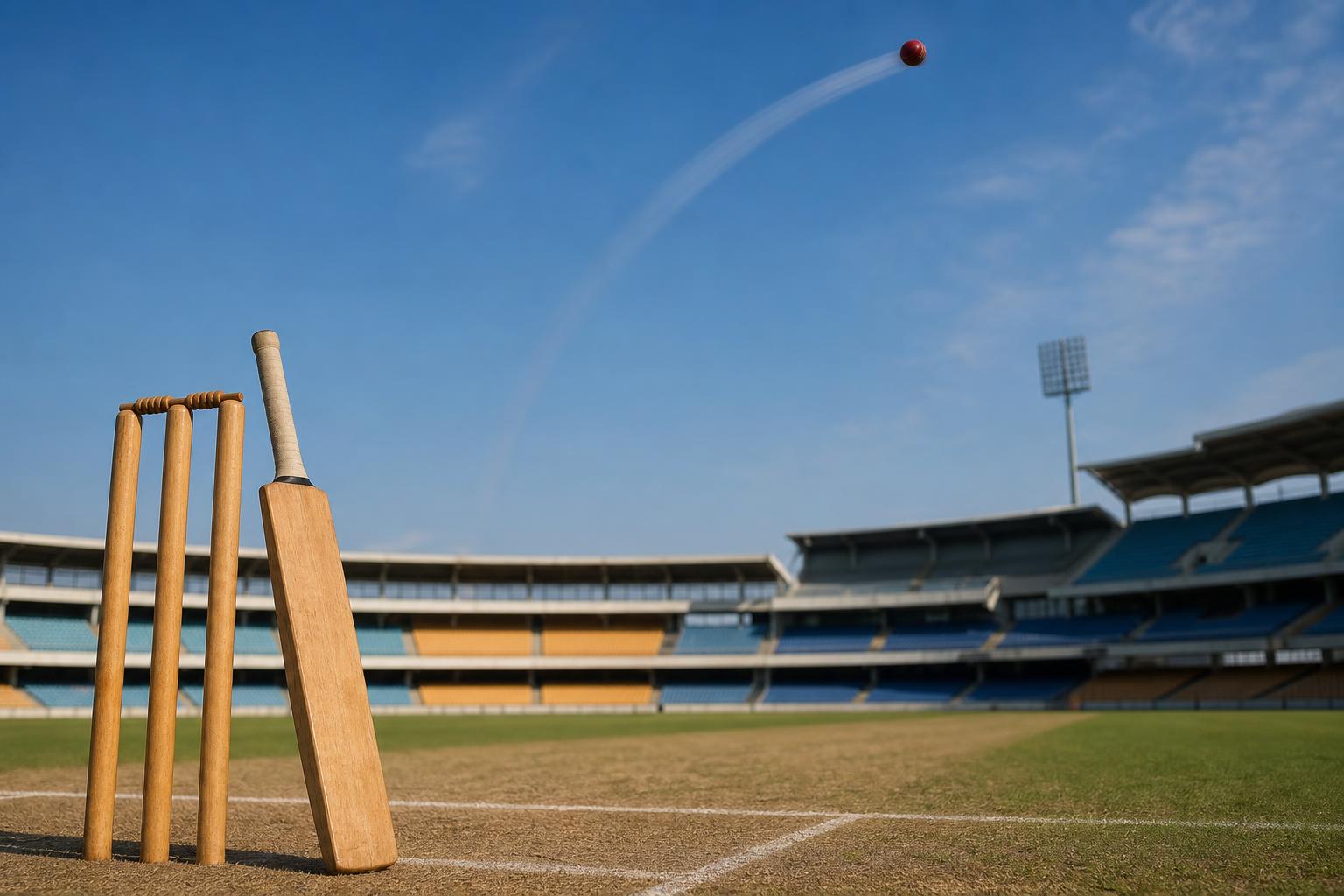
Big sixes are mostly about timing, not raw strength. The decisive factors are bat speed at contact, hitting the bat's sweet spot, and a clean transfer of energy from the ground up through the body. A relaxed swing that lands on the middle of the bat sends the ball further than a tense, muscular swing that hits closer to the handle.
The fastest hitters in international cricket generate ball exit speeds of roughly 160 to 180 kilometres per hour, which is enough to clear a 75 to 85 metre boundary. The bat itself typically weighs only 1.1 to 1.4 kilograms. Moving that bat fast through the line of the ball matters far more than how much the batter can squat.
Strength still helps. It supports a stable base, faster swing initiation, and recovery between deliveries. But within the elite group, the longest hitters are almost never the strongest in the gym.
The physics of a long six
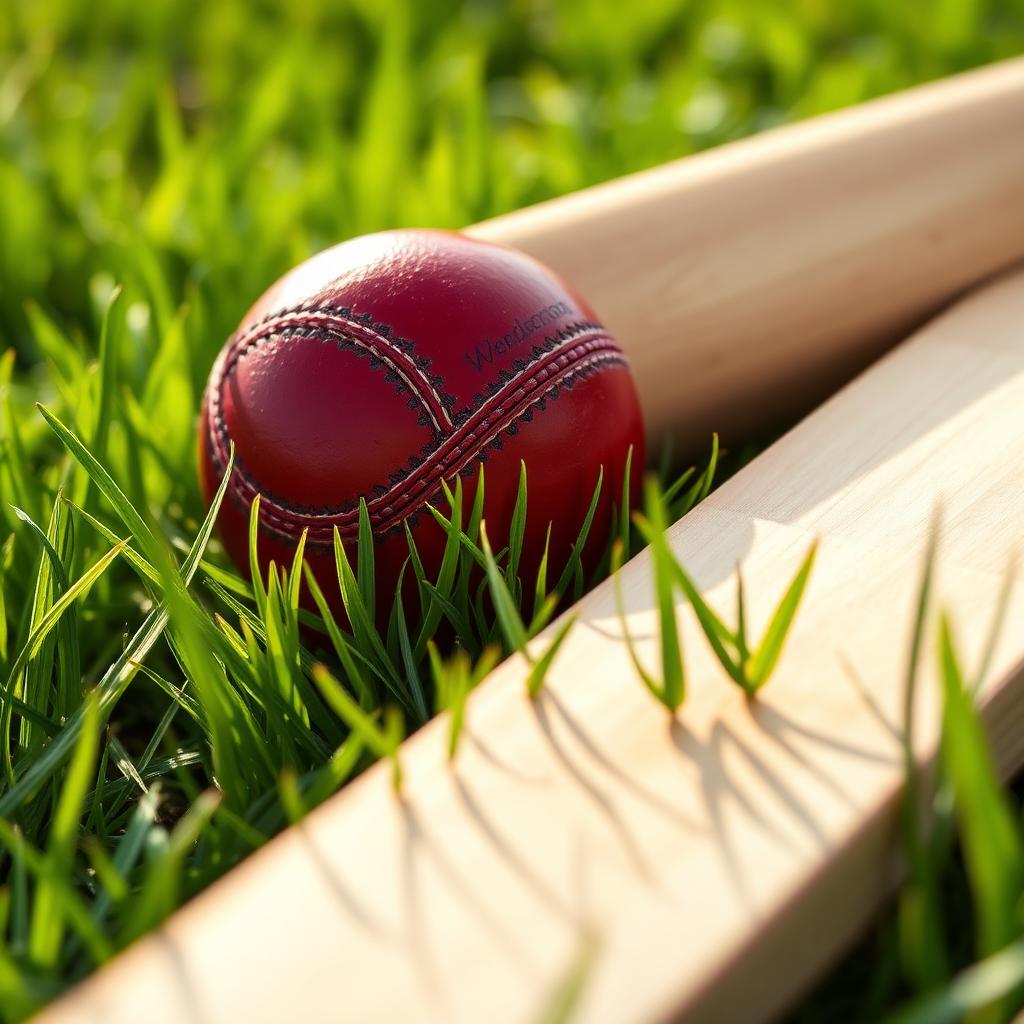
The distance a cricket ball travels after contact comes down to one quantity: exit velocity. Higher exit speed means a longer carry, all else being equal. Exit speed itself depends on three things working in sequence.
- Bat speed at impact. The faster the bat is moving when it meets the ball, the more momentum transfers.
- Quality of contact. Hitting the sweet spot, also called the centre of percussion, transfers nearly all the bat's kinetic energy into the ball rather than into vibration up the handle.
- Bat mass. A heavier bat carries more momentum at the same speed, but it is harder to swing fast. Most international batters pick a bat that is just heavy enough to feel solid without slowing them down.
Bat speed dominates because momentum is mass times velocity, and a small gain in velocity matters more than a small gain in mass.
The kinetic chain
Power in a cricket shot starts at the feet, not the hands. Biomechanics researchers describe a kinetic chain that runs through six links:
- Back foot pushes against the ground, generating ground reaction force.
- Hips rotate, pulling the torso around.
- Torso rotation accelerates the shoulders.
- Shoulders fire the lead arm forward.
- Forearms and wrists snap through the line of the ball.
- Bat travels at maximum speed precisely at the contact zone.
Each link multiplies the energy from the link before it. A break in the chain, such as a stiff lead leg or a closed off torso, leaks energy long before the bat reaches the ball. This is why elite batters look smooth and unhurried. They are not adding muscle, they are removing leaks.
The sweet spot explained
Every bat has a node of vibration along its blade. When the ball strikes the node, the bat does not vibrate, and almost 100 percent of the kinetic energy transfers into the ball. Hit a few centimetres above or below the node and a chunk of the energy converts to vibration that the batter feels as a sting in the hands.
On a modern English willow bat the sweet spot sits roughly two thirds of the way down the blade, slightly higher than the visible toe area. Manufacturers tune the bat profile and the shape of the curve, called the bow, so that this zone is wide and forgiving. A wider sweet spot is what makes a 600 pound bat genuinely better than a 100 pound bat for clearing the rope.
Why timing beats strength
Imagine two batters facing the same delivery. Batter A is muscular and swings hard, but the bat is decelerating into impact because the muscles tighten too early. Batter B is leaner and swings the bat in a relaxed arc, peaking at exact contact. Even with less raw force, Batter B generates a higher bat speed at the ball and finds the sweet spot more often. The result is a longer hit.
This pattern shows up in tracking data. AB de Villiers, Suryakumar Yadav, Glenn Maxwell, and Liam Livingstone are not the biggest players in international cricket, yet they consistently top six counts in T20 leagues. Their bat speed and contact quality are exceptional. Comparatively, some physically larger batters average shorter sixes because they over rely on muscle and lose timing under pace.
The role of bat speed numbers
| Metric | Typical range for elite hitters |
|---|---|
| Bat speed at contact | 120 to 140 km/h |
| Ball exit speed | 160 to 180 km/h |
| Carry distance on a clean six | 75 to 100 m |
| Average bat weight | 1.1 to 1.4 kg |
| Optimal launch angle | 25 to 35 degrees |
Where strength does help
- A stable base. Strong legs and core hold the shape of the kinetic chain together, so energy does not leak out sideways.
- Recovery. Power hitters often face 60 to 80 balls in a long innings and another 100 in net practice. Strength buffers fatigue.
- Wrist snap. Strong forearms accelerate the bat through the last few centimetres before contact, which is where bat speed peaks.
- Injury resilience. Bigger hitters generate rotational forces that smaller frames cannot tolerate without conditioning.
Practical takeaways for amateur batters
- Train bat speed, not bench press. Light weighted bat drills, overspeed swings, and medicine ball rotations build the muscles that matter.
- Practise contact quality. Tennis ball drills, drop ball hitting, and slow throwdowns sharpen the sweet spot habit.
- Stay relaxed. Gripping the bat too hard kills wrist snap. A loose top hand, firm bottom hand grip works for most players.
- Match the bat to the swing. A bat that feels heavy in the back lift will arrive late at the ball. Pick the heaviest bat you can still swing freely.
- Use the ground. Plant the back foot firmly and let the hips lead the swing. Power from the legs is free; power from the arms is expensive.
Frequently asked questions
What is the longest six ever hit in international cricket?
A Shahid Afridi six during a 2013 ODI against South Africa at the Wanderers was widely reported at around 158 metres and is often cited as one of the longest in a televised match, though the exact distance is disputed by analysts. Brett Lee, Liam Livingstone, and Corey Anderson have all hit confirmed sixes over 120 metres.
How heavy are professional cricket bats?
Most international bats sit between 1.1 and 1.4 kilograms. Heavier bats look more powerful but slow down the swing. Players almost always choose feel over raw weight.
Does ball compression affect carry?
Yes. A softer, scuffed ball loses elasticity and carries shorter. New cricket balls and white ODI balls compress less on impact, which gives them better exit speed.
Is bat speed measurable in training?
Yes. Devices like StanceBeam, Blast Cricket, and PowerStance attach to the bat handle and report swing speed in real time. Most county and franchise teams now track it.