Quick Answer
On the evening of Wednesday, June 24, 2026, two large earthquakes struck north-central Venezuela within roughly a minute of each other. The U.S. Geological Survey measured the foreshock at magnitude 7.1 (initially reported as 7.2 by Al Jazeera) and the mainshock at magnitude 7.5, with the epicenter near San Felipe, Yaracuy state, about 284 km (176 miles) west of Caracas. Both shocks were shallow, which amplified the surface damage.
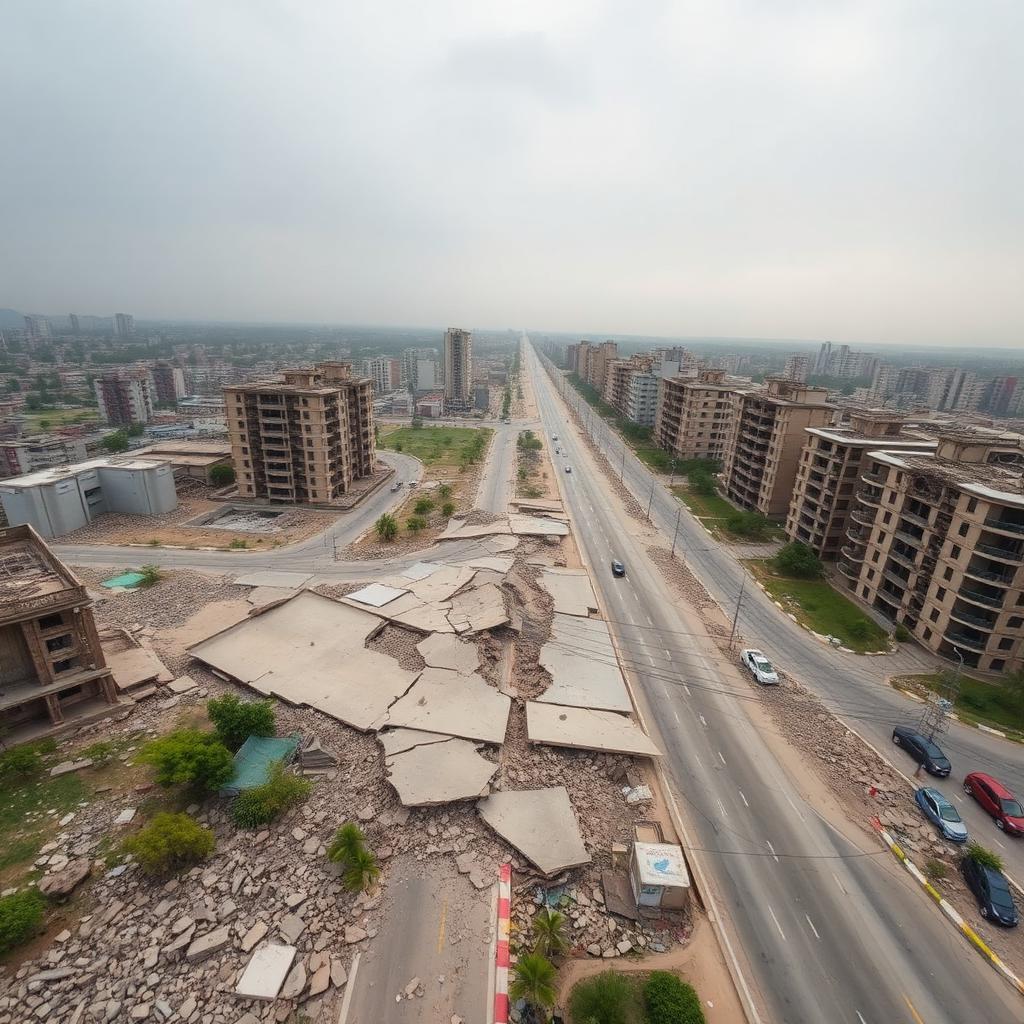
The capital, Caracas, sustained heavy damage. Multiple buildings have collapsed and there are reports of dozens dead and hundreds injured, with the toll expected to climb. The Pacific Tsunami Warning Center issued a tsunami advisory for parts of the southern Caribbean coast, which was later cancelled. As of the time of this article, on the morning after, casualty figures remain provisional and rescue operations are ongoing.
What the USGS recorded
- Date and time of foreshock. 22:04 UTC on June 24, 2026 (6:04 p.m. local Venezuelan time)
- Foreshock magnitude. 7.1 (USGS); Al Jazeera and some agencies reported 7.2
- Mainshock magnitude. 7.5 (USGS)
- Time gap between shocks. Less than one minute
- Epicenter. Near San Felipe, Yaracuy state, north-central Venezuela
- Distance from Caracas. Approximately 284 km (176 mi) west
- Depth. Shallow (approximately 10 to 20 km), per USGS preliminary catalog
- Fault mechanism. Strike-slip, consistent with the El Pilar fault system that defines the Caribbean / South American plate boundary
The Pacific Tsunami Warning Center issued an initial tsunami advisory for parts of the southern Caribbean (covering Venezuela, Trinidad and Tobago, Aruba, Curacao, Bonaire and Grenada). The advisory was downgraded and ultimately cancelled within a few hours when no significant wave activity was detected.
Damage in Caracas and the coast
Live reporting from CNN, Reuters, Al Jazeera and Euronews described:
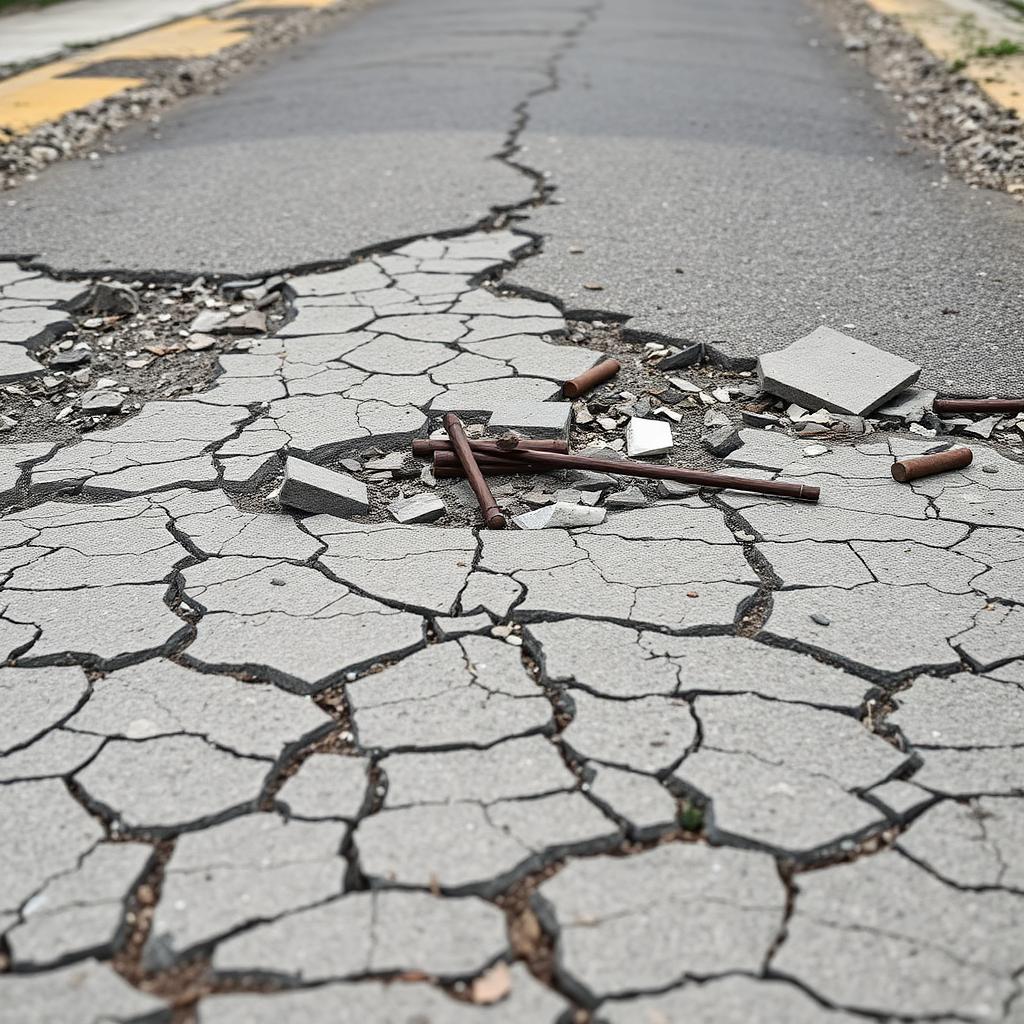
- Multiple building collapses across the capital, with reports of significant damage in the Altamira and Los Palos Grandes neighborhoods.
- Cell phone and internet networks intermittently down across Caracas, slowing initial damage assessment.
- Damage to the main terminal at Simón Bolívar International Airport in Maiquetía (La Guaira coast); the airport temporarily suspended commercial operations.
- Power outages affecting parts of Yaracuy, Carabobo and Vargas states.
- Hospitals in Caracas reporting hundreds of injured patients being treated, with some emergency departments overwhelmed.
The Venezuelan Red Cross activated its national Emergency Operations Center and deployed urban search and rescue teams to the worst hit districts. President Nicolás Maduro’s government has not yet announced a full national state of emergency at the time of writing, but interior minister Diosdado Cabello has confirmed the activation of all civil protection units.
Why the shaking was so severe at distance
An earthquake almost 300 km from a city does not normally collapse buildings in that city. Three factors made this event different:
- Magnitude. A magnitude 7.5 event releases roughly 32 times more energy than a magnitude 6.5 and approximately 1,000 times the energy of a magnitude 5.5. At 7.5, ground motion can be felt over thousands of kilometers and can damage structures hundreds of kilometers from the epicenter.
- Shallow depth. Both shocks were shallow (within the upper 20 km of the crust). Shallow earthquakes deliver more surface shaking for a given magnitude than deep ones.
- Soil amplification under Caracas. The valley Caracas sits in contains soft sedimentary layers that resonate at low frequencies, amplifying seismic waves of certain periods. The same effect contributed to the 1967 magnitude 6.6 Caracas earthquake that killed 236 people, even though that quake was also at distance.
The fault system that ruptured
Venezuela’s seismic risk is dominated by the El Pilar fault, a major strike-slip system that runs roughly east-west across northern Venezuela and marks the boundary between the Caribbean tectonic plate and the South American plate. The two plates slide past each other at roughly 20 mm per year. Strain accumulates along locked sections of the fault until it releases as a major earthquake; both June 24 events appear to be on or near this system, per the USGS focal mechanism solutions.
The El Pilar fault has produced multiple historic damaging earthquakes, including the 1812 Caracas earthquake (estimated magnitude 7.7, which killed tens of thousands) and the 1997 Cariaco earthquake (magnitude 7.0, which killed 73 people in Sucre state).
Aftershocks and ongoing risk
USGS aftershock forecasts indicate a high probability of strong (magnitude 5+) aftershocks within the next week and a non-trivial probability of a damaging (magnitude 6+) aftershock within the same period. Practical guidance for residents in the affected area:
- Avoid entering visibly damaged buildings until they are inspected by a structural engineer.
- Be ready for sudden aftershocks; identify safe spots in any building you must enter (under a sturdy table, away from windows).
- Keep water, a flashlight, a battery bank and any medication accessible for the next two weeks.
- Use SMS rather than voice calls for non-urgent communication; voice networks are easily congested in disaster zones.
How to help, and how to avoid scams
Verified humanitarian channels collecting donations include the International Federation of Red Cross and Red Crescent Societies (IFRC), the Venezuelan Red Cross directly, and UNICEF Venezuela. Avoid GoFundMe pages set up by individuals you do not know personally; scam campaigns historically spike within hours of a major disaster.
If you have family in the affected region, the ICRC’s Restoring Family Links service (familylinks.icrc.org) is the standard tool for tracing relatives after a disaster when local networks are down.
The takeaway
The June 24, 2026 Venezuela earthquake sequence consisted of two large, shallow strike-slip events of magnitudes 7.1 and 7.5, centered near San Felipe in Yaracuy state. Despite being almost 300 km from the epicenter, Caracas sustained heavy structural damage, and casualty figures are still rising as of the morning after. The events appear to be on the El Pilar fault system, which has produced repeated damaging earthquakes across northern Venezuela for two centuries. Expect substantial aftershocks over the next week, a long humanitarian response, and revised casualty totals as rescue teams reach collapsed structures.