Quick Answer
No, US pets do not need passports to travel within the United States, so the question "do pets need passports" only really matters for international trips. For international travel, they need an official health certificate issued by a USDA-accredited veterinarian and, depending on the destination, a country-specific pet passport (the EU pet passport being the best known). For return travel to the US, dogs must now meet CDC import rules including microchip, rabies vaccination and a CDC dog import form.
The "pet passport" concept is EU-native. It is a small blue booklet issued by an EU veterinarian that records microchip number, rabies vaccination, and other treatments, and it lets EU pets move freely within the EU. Non-EU pets cannot get one issued outside the EU but can travel with equivalent USDA/APHIS paperwork.
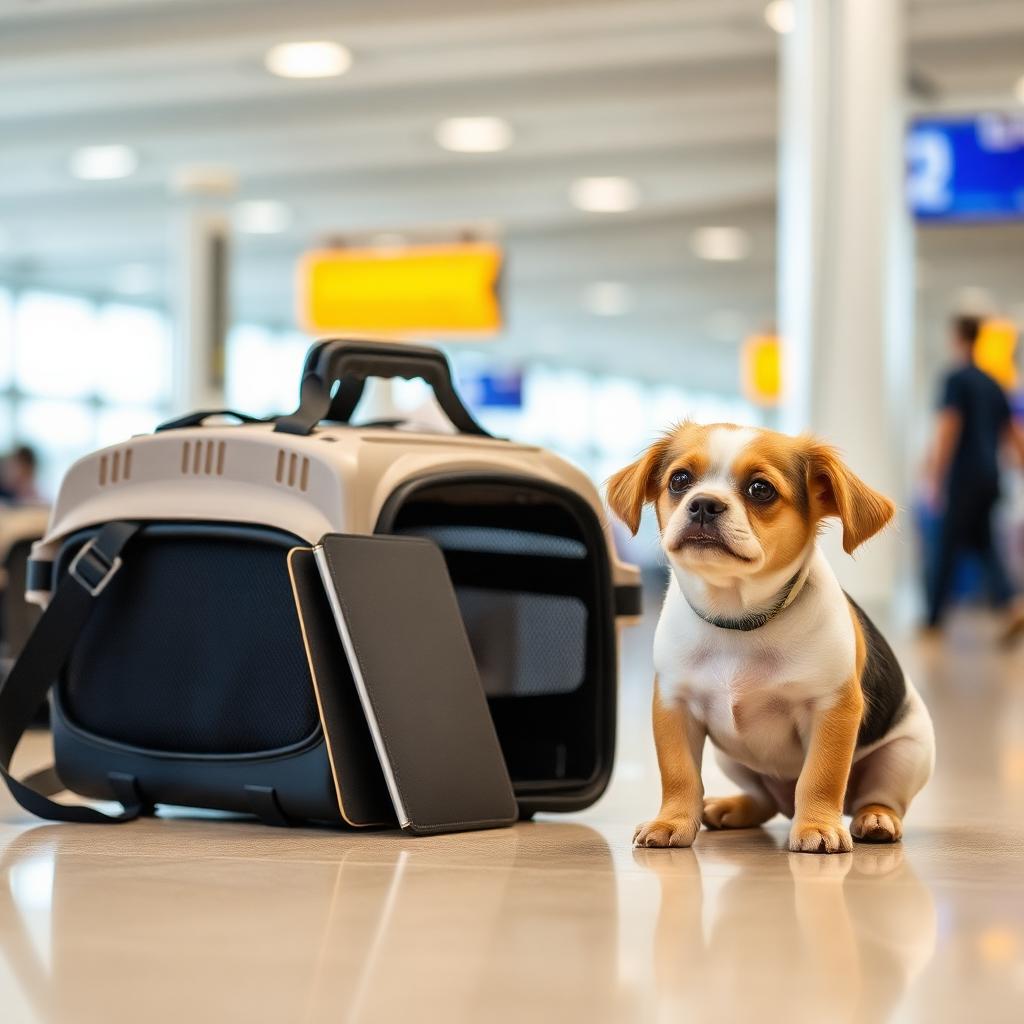
What US Pets Actually Need for International Travel
- ISO 11784/11785 microchip: the first step. Must be implanted before rabies vaccination.
- Rabies vaccination: valid at time of travel, and typically given at least 21 days before entry for most countries.
- USDA-accredited vet health certificate: the APHIS 7001 (or country-specific equivalent), endorsed by the local USDA APHIS office.
- Import permit: required for some destinations (Australia, New Zealand, Japan, Hawaii, Iceland).
- Rabies titre test: required for rabies-free countries (Australia, UK, New Zealand, Japan). Blood must be drawn at least 30 days after vaccination.
Returning to the US: CDC Rules 2026
Since August 2024, all dogs entering the US (including US-origin returning dogs) must be microchipped, at least 6 months old, and accompanied by a CDC Dog Import Form. Dogs from rabies-free or low-risk countries need a completed CDC form. Dogs from high-risk countries need additional rabies vaccination certification and titre. Cats have no CDC entry rules currently but airlines may still require paperwork.
EU Pet Passport Details
Issued for dogs, cats and ferrets only. Must include ISO microchip, valid rabies vaccination, tapeworm treatment for dogs entering certain countries (UK, Ireland, Finland, Malta, Norway), and vet contact details. Costs 30 to 100 EUR from an EU vet.
Airline Rules on Top
Airlines have their own pet rules layered on top of government rules: crate specifications, breed bans (bulldogs, pugs on many carriers), weather embargoes and pre-booking requirements. Confirm airline rules early because they can be stricter than the government requirements.
Country-Specific Quirks Worth Knowing
- UK: tapeworm treatment required for dogs 24 to 120 hours before entry.
- Australia: minimum 10 day quarantine plus rabies titre.
- Japan: 180 day advance planning window for rabies titre.
- Hawaii: treated as international - 5 day quarantine or "Five Day or Less" program.
- Iceland: import permit and 14 day quarantine.
Cost Estimate for a Typical EU Trip
- Microchip: 30 to 60 USD.
- Rabies vaccination: 20 to 40 USD.
- USDA APHIS endorsement: 38 USD per health certificate.
- Vet health check: 100 to 200 USD.
- Airline in-cabin fee: 125 USD each way.
- Total: 350 to 500 USD for a round trip.
Microchip First, Then Rabies
Order matters more than most owners realise. For the EU, the UK and many other destinations, the rabies vaccination is only valid if it was given after the microchip was implanted. A dog chipped after its rabies shot has to be vaccinated again.
The chip must be ISO 11784 or 11785 compliant, which is the 15 digit standard. Older US chips on 125 kHz or 128 kHz frequencies may not be readable at a European border, so travel with your own scanner or have a compliant chip added.
Timelines to Work Backwards From
- 21 days. Minimum wait after a primary rabies vaccination before entry to the EU or UK.
- 10 days. Typical maximum age of an endorsed health certificate at the time of travel.
- 3 months. Waiting period after a rabies titre blood test for rabies free or rabies controlled countries such as Japan, Australia and New Zealand.
- 4 to 6 months. Realistic total planning window for those stricter destinations.
Who Issues What
In the US, your vet must be USDA accredited and the certificate is endorsed through the USDA APHIS VEHS system. In the EU, a pet passport is issued by an authorised vet in an EU member state and is reusable for future trips. UK residents now travel on an animal health certificate issued per trip rather than the old EU passport.
Budgeting for the Paperwork
The documents cost more than most owners expect. A typical US to EU trip involves a microchip if one is needed, a rabies vaccination, a vet appointment for the health certificate and a USDA endorsement fee, and the total commonly lands in the low hundreds of dollars per animal.
Destinations requiring a rabies titre test add a laboratory fee and a three month wait, and some countries also require an import permit applied for in advance.
Airline Rules Sit on Top of Government Rules
Clearing customs is only half the problem. Each airline sets its own carrier dimensions, in cabin weight limits, breed restrictions and embargo temperatures, and snub nosed breeds are refused outright by many carriers.
Book the pet space with the airline at the same time as your own seat, because the number of animals allowed per cabin is capped and fills quickly on popular routes.
Bottom Line
No passport is needed to fly with a pet inside the US, but international travel almost always needs a microchip, a current rabies vaccination, an official health certificate and, for the EU and UK, an animal health certificate or pet passport. Start the paperwork four to six months ahead for rabies controlled destinations and confirm every requirement on the destination government's own website.