Quick Answer
Pets are not allowed on almost any modern cruise ship. The one significant exception is Cunard's Queen Mary 2, which runs dedicated kennels for cats and dogs during its transatlantic crossings between New York and Southampton. Every other major line (Royal Caribbean, Carnival, Norwegian, MSC, Disney, Princess, Holland America, Celebrity) allows service dogs only, and even then with advance approval and documentation.
If you want to travel by ship with a pet, Queen Mary 2 is effectively the only game in the world. Book 12 to 18 months in advance because the kennels sell out that far ahead.
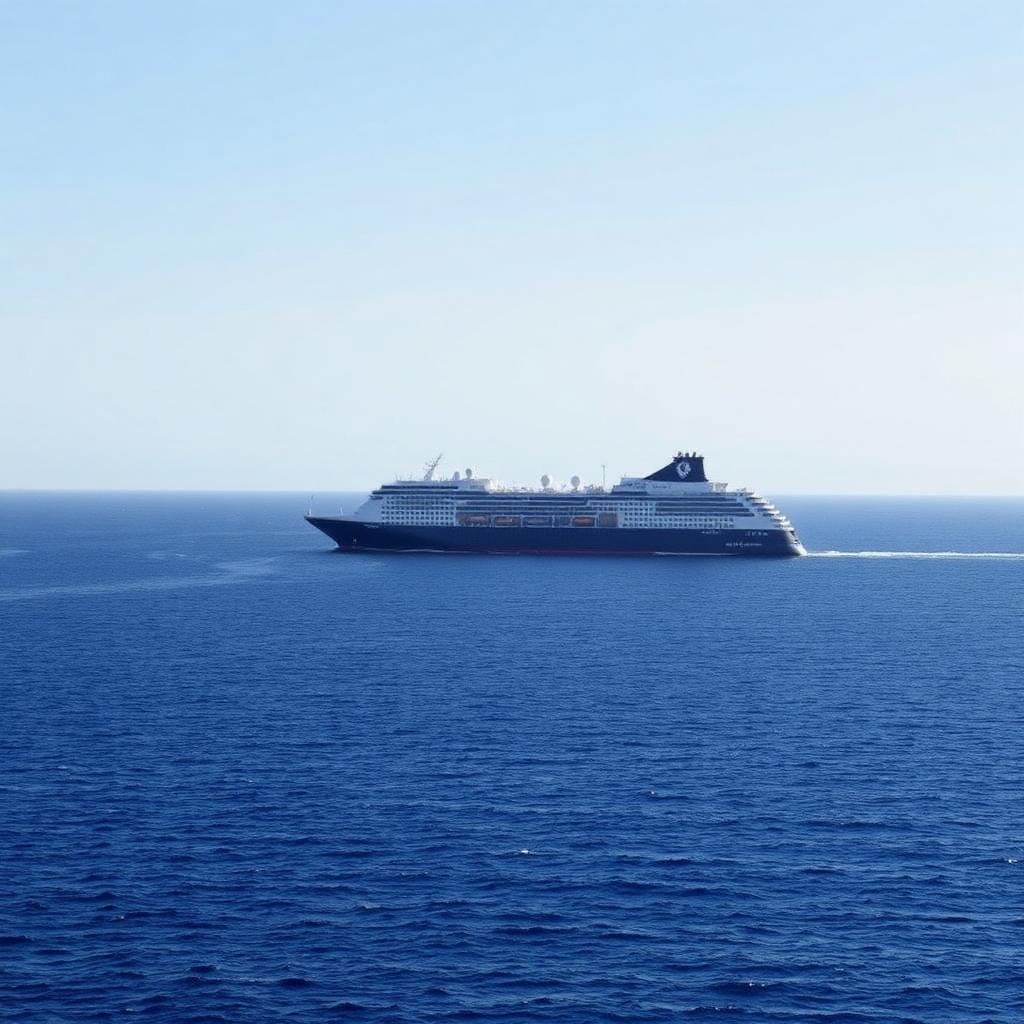
Queen Mary 2 Kennels: The Details
- Capacity: approximately 24 kennels total (cats and dogs together).
- Amenities: private outdoor sun deck, personal kennel master, complimentary photo shoot, feeding included.
- Cost: from around 800 to 1200 USD per kennel per one-way crossing (2026 pricing), on top of your own passage.
- Access: owners visit during set daily hours; pets do not stay in guest suites.
- Paperwork: full pet import documentation for the arrival country is the owner's responsibility.
Service Animals on Other Lines
Every major cruise line accepts trained service dogs under ADA and equivalent international rules, but they require advance notice (usually 30 to 60 days) and a raft of paperwork: vaccination records, health certificate, import permits for every port of call. Emotional support animals are NOT accepted as service animals on cruises.
What About Small River Cruises?
A handful of European river operators (some Douro, Rhône and Danube barges) accept small dogs on a case-by-case basis. Confirm in writing before you book; verbal approvals from booking agents are frequently overturned by the ship captain on the day.
Pet-Free Alternatives
For a cruise-style experience without leaving your pet, look at overnight ferries (Brittany Ferries, DFDS, Stena) or car-carrying overnight trains in Europe. These accept pets at a fraction of the cost and paperwork.
Small-Ship and Specialty Alternatives
- Sailing charters: most private yacht charters welcome pets.
- Canal barges (Europe): most French, Dutch and English canal companies allow small dogs.
- Overnight ferries: Brittany Ferries, DFDS, Stena Line and P&O Ferries all accept pets in cars or on-deck kennels.
- Windstar and SeaDream: small luxury yachts have accepted pets on a case-by-case basis for private charter groups.
Preparing a Dog for the Queen Mary 2
The transatlantic voyage takes 7 nights. Book the kennel at the same time as your cabin (they sell out first). Bring your dog's own bed, familiar treats and a favourite toy. Practise crate stays at home for 2 hours at a time in the weeks before travel.
Why Cruise Lines Say No
The blanket ban on the big lines comes down to three things: international animal import rules at every port of call, food safety regulation in galleys and buffets, and the practical problem of what a dog does for exercise and toileting on a seven day sailing.
A ship visiting four countries would need to satisfy four different sets of veterinary import rules for every animal on board. That is why Royal Caribbean, Carnival, Norwegian, MSC, Princess and Disney all refuse pets outright, and why the exceptions are point to point crossings rather than island hopping itineraries.
What the Queen Mary 2 Kennel Actually Offers
Cunard's Queen Mary 2 runs the only purpose built kennel at sea, with a small number of kennels on the transatlantic crossing between Southampton and New York. There is a dedicated kennel master, an outdoor deck area with a Liverpool lamppost and a New York fire hydrant, plus bedding, food and litter provided.
Spaces sell out roughly a year in advance and are booked separately from your own cabin. Dogs and cats stay in the kennel area rather than in your stateroom, and you visit during set hours. Paperwork is the strict part: you need a microchip, current rabies vaccination and the correct health certificate for both the departure and arrival country.
Ferries and Small Ships as an Alternative
If the goal is genuinely travelling with your dog by sea, ferries are the practical answer. Brittany Ferries, DFDS, P&O and Irish Ferries all carry pets, some with pet friendly cabins. In the US, the Alaska Marine Highway and many coastal ferries take animals on the vehicle deck.
Documents the Kennel Booking Requires
Cunard will not board an animal without a complete paperwork set, and the crossing is international, so the requirements are the strict end of pet travel.
- An ISO compliant 15 digit microchip, implanted before the rabies vaccination.
- A current rabies certificate with the batch number and validity dates.
- A government endorsed health certificate issued close to sailing, USDA endorsed for westbound and DEFRA compliant for eastbound.
- Tapeworm treatment administered by a vet within the window required for UK entry.
Budget several hundred dollars for the vet work and endorsements on top of the kennel fee itself, and start the process at least three months out.
Bottom Line
Almost every mainstream cruise line is a no pet zone, with Cunard's Queen Mary 2 kennels the famous exception and trained service dogs allowed under access law. If you want your dog on the water, look at transatlantic crossings, pet friendly ferries or a private charter rather than a standard Caribbean sailing.