Quick Answer
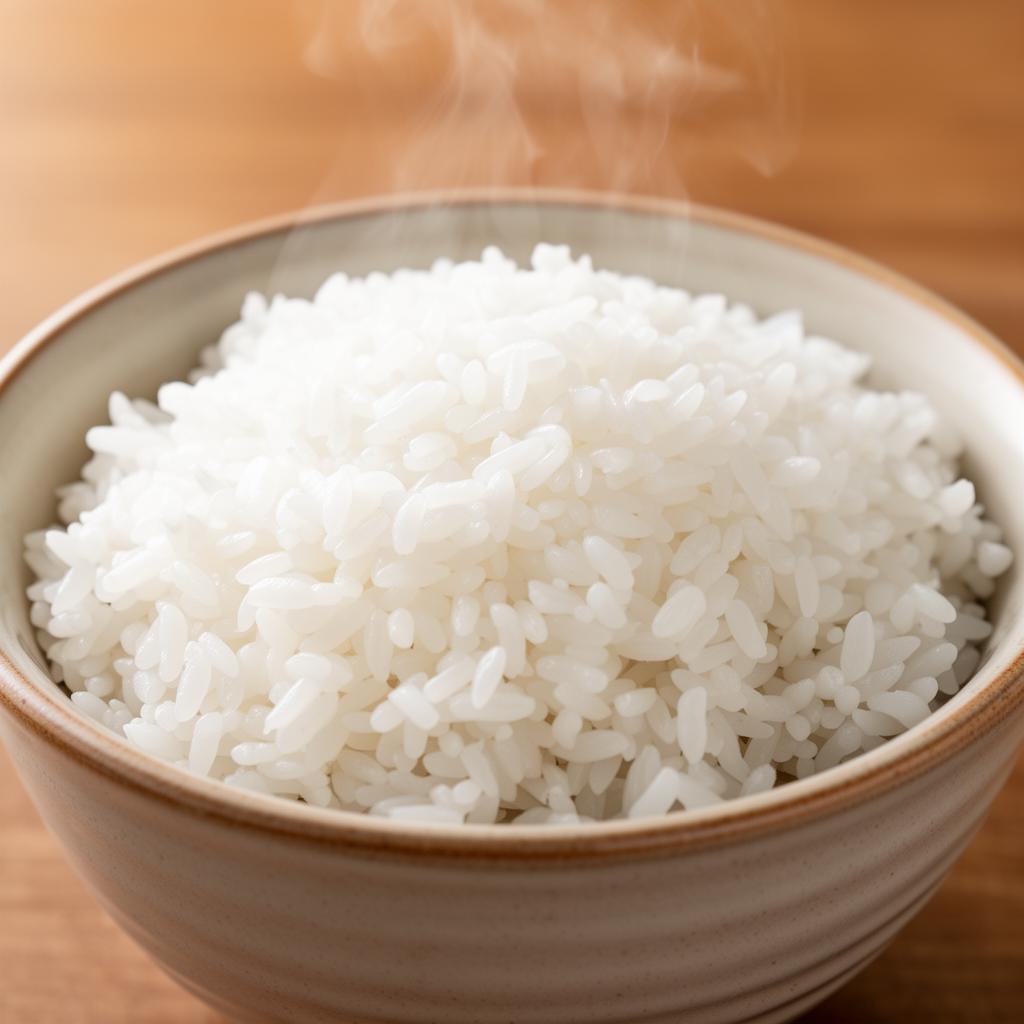
Tastic is a famous South African brand of parboiled rice. The raw rice undergoes a highly specialized hydro-thermal pressure process before the inedible outer husk is removed. This high-pressure steaming process physically melts and hardens the starches inside the grain, ensuring the cooked rice remains fluffy, separate, and absolutely refuses to turn sticky or mushy, no matter how you cook it.
If you have spent any significant amount of time cooking or eating in South Africa, you are intimately familiar with Tastic rice. It is deeply ingrained in the local culinary culture, primarily because it comes with an unspoken, bulletproof guarantee: it never cooks into a sticky, mushy clump. You can boil it, steam it, forget about it on the stove, or drown it in a heavy stew, and every single grain will remain perfectly distinct and separate.
I enjoy looking at the industrial food science and agricultural engineering that makes our daily pantry staples so incredibly reliable. Today, I am breaking down exactly what makes this specific style of rice perform the way it does, and exploring the complex, ancient, and highly industrialized process known as parboiling.
The anatomy of a rice grain
To understand why parboiled rice is biologically different from the standard white rice you might use for sushi or risotto, you have to understand the anatomy of a raw rice grain as it grows in the field.
When a grain of rice (known as paddy rice) is harvested, it is composed of several distinct layers:
- The hull (husk): The tough, fibrous, entirely inedible outer shell that protects the seed.
- The bran: A thin, brownish layer sitting just beneath the hull. This layer is packed with dietary fiber, essential fatty acids, and the vast majority of the grain's vitamins and minerals.
- The germ: The tiny reproductive core of the seed, rich in antioxidants and B vitamins.
- The endosperm: The massive white center of the grain. This is almost entirely made up of complex carbohydrate starches.
When an agricultural facility makes standard white rice, they physically mill the grain. They aggressively strip away the hull, the bran, and the germ, leaving only the white, starchy endosperm behind. This makes the rice cook quickly and look beautiful, but it completely removes all the nutritional value.
What actually is parboiling?
Many people see the word "parboiled" on a box and assume it means "partially cooked," implying it is a convenience food like instant or minute rice that cooks in five minutes. This is biologically and chemically incorrect. Parboiled rice actually takes longer to cook than standard white rice.
Parboiling (which stands for partially boiled) is an intensive, three-step hydro-thermal process that happens at the agricultural processing plant while the rice grain is still completely raw and tightly encased in its inedible outer hull.
- Soaking: The raw, unhusked paddy rice is dumped into massive industrial vats of warm water. It steeps for several hours until the internal moisture content of the hard grain rises to around 30%.
- Steaming: The wet, swollen rice is transferred to massive pressure cookers. It is blasted with high-pressure, super-heated steam for a very specific amount of time.
- Drying: The rice is then slowly and carefully dried out until the moisture drops back down to a stable 14%. Only after this intense process is finished is the grain sent to the mill to have its outer husk and bran layer removed.
The chemistry of starch gelatinization
Why would a company go through all of this trouble, energy, and expense just to treat the rice before they mill it? The high-pressure steaming step triggers a massive, permanent chemical change inside the grain called starch gelatinization.
Standard white rice is packed with loose, powdery starches on its surface. When you drop raw white rice into a pot of boiling water at home, those surface starches immediately dissolve into the water. They act like a chemical glue, creating a cloudy, thick liquid that binds the grains together. This is why standard white rice gets sticky.
During the industrial parboiling process, however, the intense heat and pressure of the steam physically melts the starches inside the intact grain. As the grain cools and goes through the drying phase, those melted starches reform and harden into a dense, crystalline, almost glass-like structure.
Because the starch is permanently hardened and locked tightly inside the grain, it cannot dissolve into your cooking water at home. The surface of the grain remains slick and clean. This is the precise scientific reason Tastic rice always yields perfectly distinct, fluffy grains. The starch biology has been permanently altered to prevent sticking.
The incredible nutritional migration
Beyond the perfect texture, there is a massive biological and nutritional benefit to the parboiling process that often goes entirely unnoticed by consumers.
As mentioned earlier, a rice grain stores almost all of its vital micronutrients (like Vitamin B1, B3, Potassium, and Magnesium) in the brownish bran layer just beneath the husk. When standard white rice is milled, that nutritious bran layer is scraped away and thrown out or used for animal feed.
However, during the high-pressure soaking and steaming phase of parboiling, a miracle of physics occurs. The water-soluble vitamins and minerals are physically forced out of the bran layer and pushed deep into the center of the white endosperm.
When the parboiled grain is finally milled and the bran is removed, the nutrients remain safely trapped inside the core of the white grain. This makes parboiled rice significantly healthier, more nutrient-dense, and lower on the glycemic index than standard milled white rice. You get the nutritional benefits of brown rice with the fluffy, appealing texture of white rice.
How parboiling changes your cooking mechanics
Because the internal structure of parboiled rice is so dense and hardened, you have to treat it slightly differently in the kitchen.
- You do not need to rinse it: Rinsing standard white rice is highly recommended to wash away the loose surface starches that cause stickiness. Because parboiled rice has a hardened surface with zero loose starch, rinsing it is generally an unnecessary step.
- It requires more liquid: The dense, gelatinized starches are stubborn. They require more water to soften. While standard white rice usually requires a 1:1.5 ratio of rice to water, parboiled rice often requires a 1:2 ratio.
- It requires more time: You cannot rush the hardened starches. While white jasmine rice might be tender in 15 minutes, parboiled rice will confidently require 20 to 25 minutes of steady simmering to fully absorb the liquid and achieve that signature, perfect fluffiness.
The next time you pour a cup of Tastic rice into a pot, you are not just making a side dish. You are utilizing a brilliant piece of agricultural engineering designed to give you flawless texture and hidden nutrition in every single bite.