Quick Answer
Five countries pulled out of Eurovision 2026 in protest of Israel's continued participation: Ireland, Spain, the Netherlands, Slovenia and Iceland. Their national broadcasters cited the ongoing conflict in Gaza as the reason for withdrawal.
Despite the boycotts and visible protests in Vienna, Israel finished 2nd in the Grand Final with 343 points, powered almost entirely by a massive public televote surge.
The Five Boycotting Countries
Each broadcaster issued its own statement, but the core position was consistent. The countries that formally withdrew from Eurovision 2026 are:
- Ireland (RTÉ). Called participation "unconscionable given the appalling loss of lives in Gaza."
- Spain (RTVE). The most significant withdrawal in financial terms, since Spain is one of the Big Five contributors to the European Broadcasting Union.
- The Netherlands (AVROTROS). Cited a refusal to share the stage with Israel under current conditions.
- Slovenia (RTV SLO). Aligned with the Irish and Spanish broadcaster positions.
- Iceland (RÚV). Followed a years long internal debate that finally tipped into withdrawal for 2026.
The EBU's Position
The European Broadcasting Union, which runs the contest, declined to bar Israel from participation. The official EBU line is that Eurovision is a competition between member broadcasters rather than between governments, and that suspending KAN (the Israeli public broadcaster) would set a precedent the union is not prepared to set.
The EBU pointed to KAN's editorial independence from the Israeli government and confirmed Israel's eligibility through both the semi final and Grand Final stages.
Nemo Returns The 2024 Trophy
One of the most striking protest moments came not in Vienna but months earlier. Nemo, the Swiss artist who won Eurovision 2024 with "The Code," publicly returned the crystal microphone trophy to the EBU in late 2025, citing the organization's refusal to suspend Israel.
It was the first time a recent winner has formally handed back the trophy in protest, and it sharpened the political pressure on the EBU heading into 2026.
How The Televote Responded
The televote story was the most polarized in recent Eurovision history. While the protesting broadcasters refused to participate, the public voters across the rest of Europe (and the diaspora televotes from outside the contest area) delivered an enormous score to Israel.
Israel finished:
- Total: 343 points (2nd place).
- Strong jury vote, but the televote was where the surge came from.
- Only defeated overall by Bulgaria's eventual winning score of 516.
That gap between protesting broadcasters and mobilized public voters is the defining political tension of the 2026 contest.
The Vienna Protests
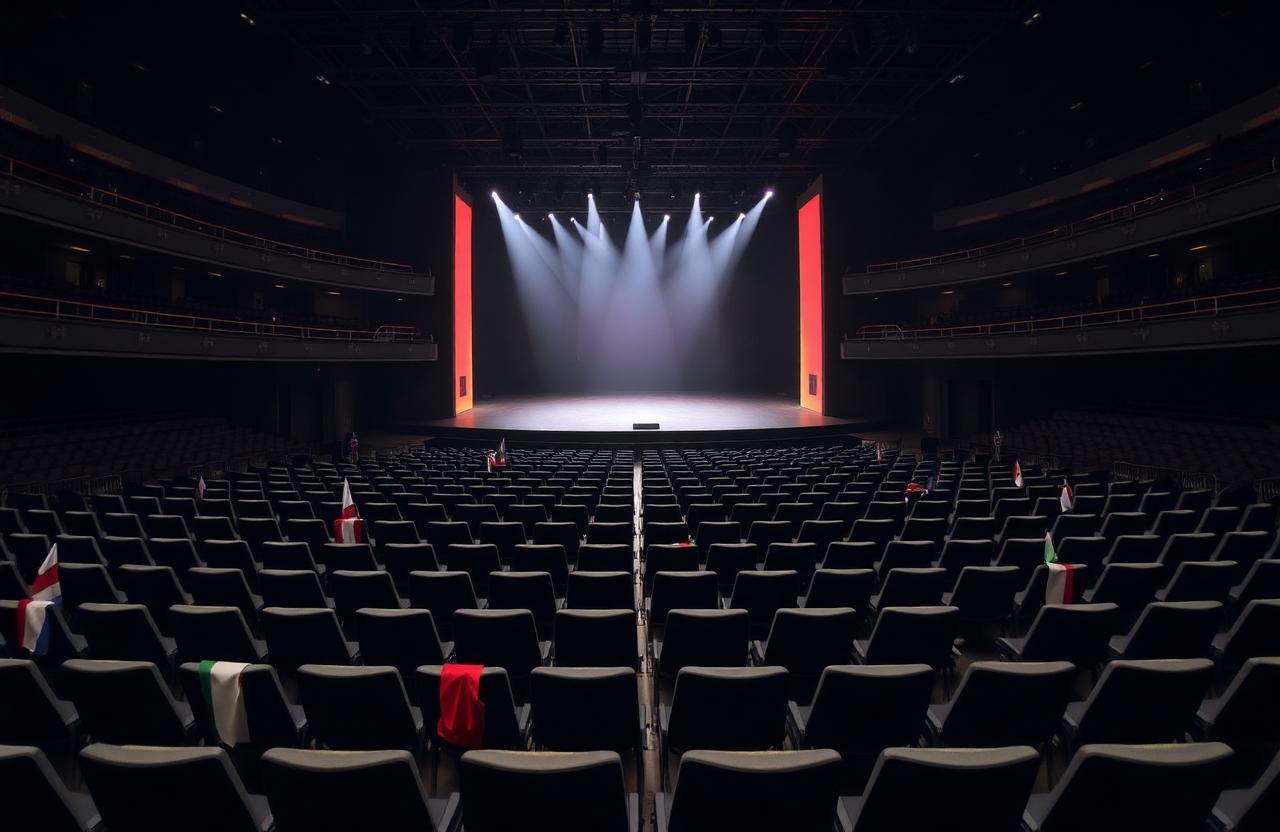
Outside the Wiener Stadthalle, demonstrations took place across the contest week. Inside the venue, the EBU enforced its long standing rule banning national flags and symbols not associated with competing countries, which drew its own criticism from delegations and fans.
The host broadcaster ORF (Austria) committed visibly to neutrality, focusing the broadcast on the performances rather than the surrounding politics.
Moldova's Quiet Top 10
Lost in the political noise: Moldova had one of its best Eurovision performances in years. Represented by the artist Satoshi, Moldova navigated the second semi final, qualified for the Grand Final, and finished inside the Top 10 with 226 points.
Moldova's Eurovision tradition leans into the playful and eccentric (the country gave the world the legendary "Epic Sax Guy"), and Satoshi's performance carried that spirit forward. In a contest dominated by political headlines, Moldova quietly reminded everyone what the show is supposed to feel like.
What This Means For 2027
With Bulgaria winning, Eurovision 2027 is heading to Sofia, and the EBU now faces the question of how to handle Israeli participation in another politically tense year. The boycotting broadcasters have not committed to returning for 2027. Spain's Big Five financial obligation alone makes the negotiations unavoidable.
Expect the EBU to overhaul its political conduct rules ahead of the Sofia contest. The "non political" branding has not survived two consecutive years of boycotts and public protests.
The Takeaway
Eurovision 2026 was the most politically fractured contest in modern memory. Five national broadcasters refused to participate, a previous winner returned the trophy, and Israel still finished second on the strength of public televoting. The musical brilliance of the night was real, but the question of how Eurovision navigates global politics is now permanently part of the conversation.
Frequently Asked Questions
How many countries boycotted Eurovision 2026?
Five: Ireland, Spain, the Netherlands, Slovenia and Iceland.
Why did they withdraw?
All five cited the European Broadcasting Union's decision to allow Israel to compete despite the ongoing conflict in Gaza.
Where did Israel finish in the Grand Final?
2nd place overall with 343 points.
The Confirmed Non Participants
Several countries chose not to take part in Eurovision 2026 for reasons ranging from financial constraints to political objections. The full list was published by the European Broadcasting Union ahead of the contest.
Common Reasons Cited
- Public broadcaster budget pressures.
- Disagreements over participation by specific countries.
- Internal political debates within member broadcasters.
What This Means for the Contest
Eurovision continues to evolve, and the absence of any participating country prompts conversation about the contest's identity. The EBU has signaled continued openness to returning broadcasters, with most non participants expected back in future editions.