Quick Answer
Starbucks sources 100 percent Arabica coffee beans from three main regions of the global coffee belt: Latin America (Colombia, Brazil, Guatemala, Costa Rica, Mexico), East Africa (Ethiopia, Kenya, Rwanda), and Asia-Pacific (Sumatra, Indonesia, Papua New Guinea).
These beans come from roughly 400,000 farms across more than 30 countries. About 99 percent are verified through Starbucks' C.A.F.E. Practices ethical sourcing program.
The coffee belt geography
Arabica coffee only grows in a narrow tropical band between the Tropic of Cancer and the Tropic of Capricorn, at altitudes between 2,000 and 6,500 feet. That geography dictates every sourcing decision Starbucks makes. Outside this belt, Arabica trees die from frost, extreme heat, or wrong soil chemistry.
Within the belt, Starbucks blends beans from three continents to build the flavor of every drink on the menu.
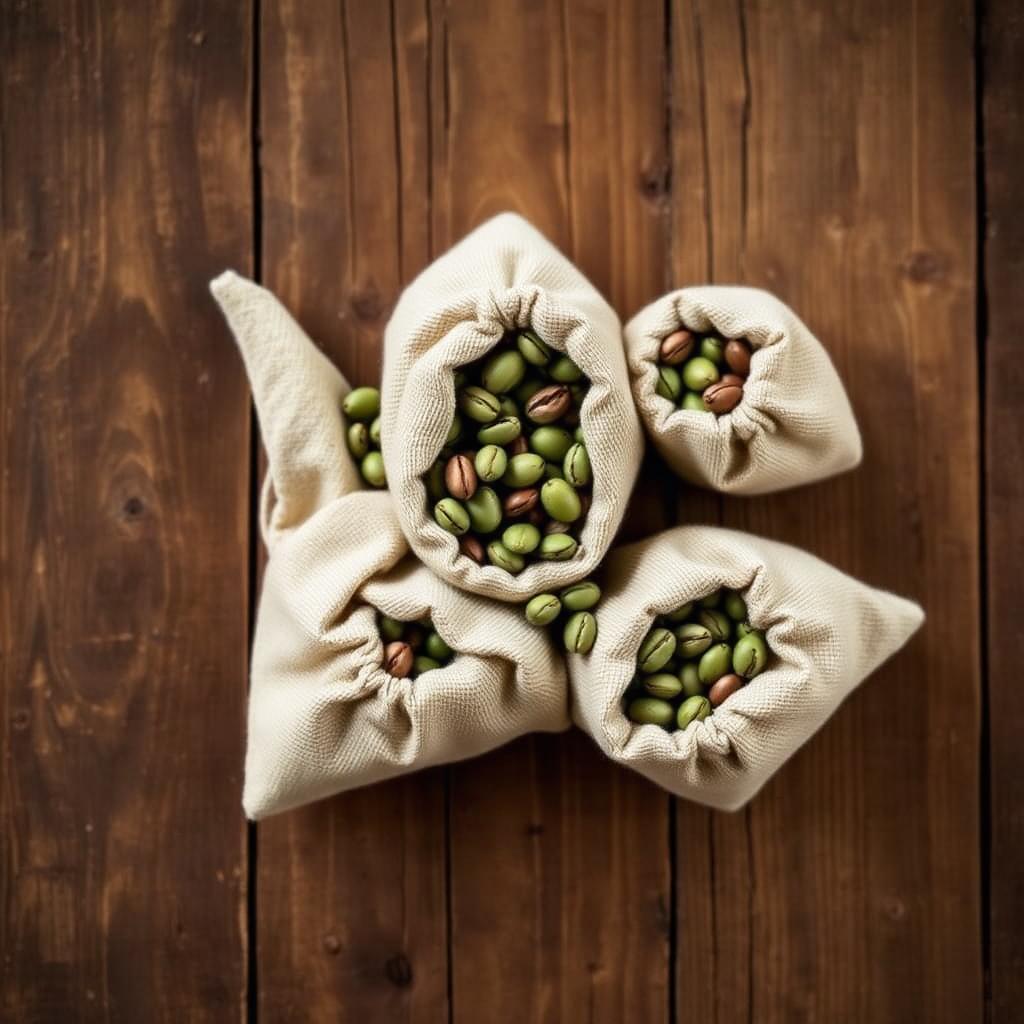
Latin America: the blending backbone
Latin America supplies the largest share of Starbucks coffee, and it forms the base of the most common blends including Pike Place Roast. Key origin countries:
- Colombia: Balanced, medium-bodied, with clean nutty and cocoa notes. The single largest origin for Starbucks by volume.
- Brazil: Low acidity, heavy body, chocolate and roasted-nut notes. Used to add smoothness to espresso blends.
- Guatemala: Bright acidity, cocoa and spice, works well in medium-roast blends.
- Costa Rica: Clean, citrusy, honey notes. Often features as a Reserve single-origin.
- Mexico: Light, nutty, mild acidity. Common in decaf lots because it takes the process well.
East Africa: the aromatic jewels
East African beans grow at very high altitudes on ancient volcanic soils. They are the source of the bright, floral, citrus flavors that show up in Blonde Roast and in Reserve single-origins.
- Ethiopia: The birthplace of coffee. Yirgacheffe and Sidamo lots deliver jasmine, lemon, and berry notes.
- Kenya: Intensely bright, blackcurrant, grapefruit acidity. Prized by specialty roasters worldwide.
- Rwanda: Sweet caramel, floral, medium body. A growing origin in the Starbucks lineup.
Asia-Pacific: the dense anchor
Asia-Pacific beans undergo wet-hulling (Giling Basah), a rustic processing method that leaves beans exposed to humidity during drying. The result is a heavy, syrupy, low-acid body with earthy and cedar notes.
- Sumatra, Indonesia: The anchor of Starbucks dark roasts. Deep, earthy, spicy body.
- Papua New Guinea: Complex tropical fruit with a heavy body. Used in blends.
- Vietnam: Emerging as a Starbucks sourcing origin, mostly for washed Arabica lots.
Origin quick-reference
| Region | Key countries | Flavor profile | Menu use |
|---|---|---|---|
| Latin America | Colombia, Brazil, Guatemala | Nutty, cocoa, balanced | Pike Place, Espresso Roast, Cold Brew base |
| East Africa | Ethiopia, Kenya, Rwanda | Citrus, floral, bright | Blonde Roast, Reserve single-origins |
| Asia-Pacific | Sumatra, PNG, Vietnam | Earthy, heavy, spicy | Sumatra Dark Roast, holiday blends |
C.A.F.E. Practices and ethical sourcing
Roughly 99 percent of Starbucks coffee is verified through Coffee and Farmer Equity (C.A.F.E.) Practices, developed with Conservation International in 2004. The program audits farms across four categories:
- Product quality (green bean grading)
- Economic accountability (fair pricing, transparent contracts)
- Social responsibility (safe working conditions, fair wages)
- Environmental leadership (water use, shade cover, biodiversity)
Starbucks also operates nine Farmer Support Centers on three continents (Costa Rica, Rwanda, Ethiopia, Colombia, Guatemala, China, Indonesia, Tanzania, and Mexico), providing free agronomy and disease-resistant coffee tree seedlings to smallholder growers.
Where the beans go after harvest
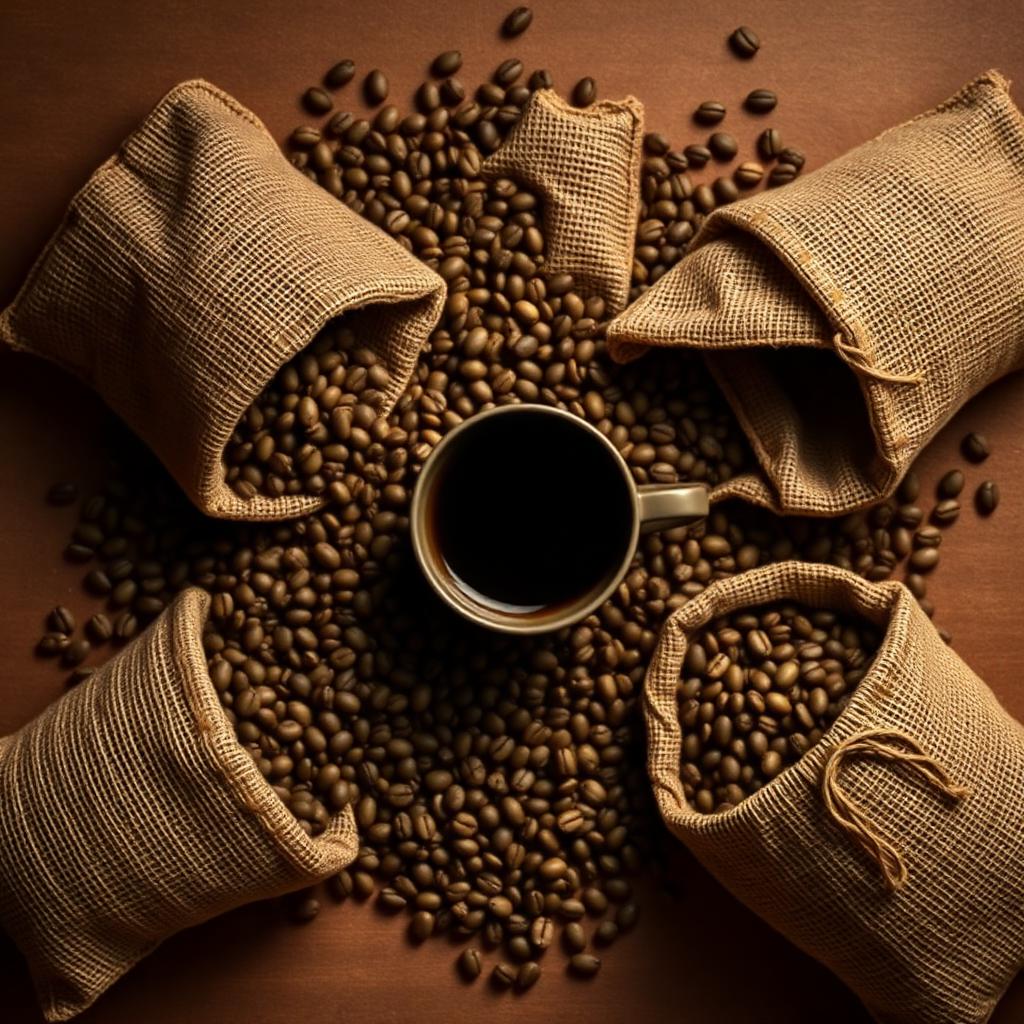
Green beans ship in 60-kilogram burlap sacks or vacuum-packed GrainPro bags to Starbucks' central roasting plants in Kent (Washington), York (Pennsylvania), Augusta (Georgia), Minden (Nevada), Amsterdam (Netherlands), and Shanghai (China). Each plant roasts blends locally to keep shipping distances short for finished product.
Reserve and single-origin lots
Starbucks Reserve, sold in Reserve stores and Reserve Roasteries, features small-lot micro-origin coffees, often from a single farm or a single village cooperative. These are the coffees where you can taste terroir most clearly, and they rotate seasonally as harvests come in from different hemispheres.
Frequently asked follow-ups
Does Starbucks own any farms?
Yes, one. Hacienda Alsacia in Costa Rica is a 240-hectare research and demonstration farm that Starbucks purchased in 2013.
Is Starbucks coffee Fair Trade?
A portion is Fair Trade certified. Starbucks bought about 8 percent of the world's Fair Trade certified coffee in recent years. Most of their volume is C.A.F.E. Practices verified rather than Fair Trade.
Does Starbucks use Robusta beans?
No. All Starbucks coffee is 100 percent Arabica. Robusta is used by other roasters for cheaper blends.
Seasonal harvest cycles across hemispheres
Because coffee grows on both sides of the equator, Starbucks receives fresh green bean shipments year-round. Northern hemisphere origins (Ethiopia, Kenya, Guatemala) harvest between October and March. Southern hemisphere origins (Brazil, Rwanda, Papua New Guinea) harvest between April and September. This staggered calendar is why single-origin Reserve offerings rotate roughly every quarter.
How much coffee Starbucks actually buys
Starbucks buys roughly 3 percent of the world's Arabica supply, making it the single largest specialty coffee buyer on earth. That volume gives the company real leverage with growing cooperatives, which is why C.A.F.E. Practices verification became feasible at scale. A boutique roaster buying 500 bags a year cannot audit 400,000 farms; a company buying 500 million pounds can.
Bottom line
Starbucks sources its coffee beans from three regions of the global coffee belt: Latin America for the blending backbone (Colombia, Brazil, Guatemala), East Africa for bright acidity (Ethiopia, Kenya, Rwanda), and Asia-Pacific for heavy, earthy body (Sumatra, Indonesia, Papua New Guinea). Roughly 99 percent is C.A.F.E. Practices verified, and beans are roasted at six central plants worldwide.