Quick Answer
Mercedes was officially flagged by the FIA for a curfew breach at the 2026 Austrian Grand Prix at the Red Bull Ring. The team's mechanics worked inside the regulated overnight curfew window between Friday and Saturday, which the FIA strictly enforces to protect team-personnel rest. Teams are allowed two curfew exceptions per championship season; Mercedes used one here.
The breach itself does not affect the race result. George Russell still led a Mercedes one-two in final practice on Saturday morning before taking pole.
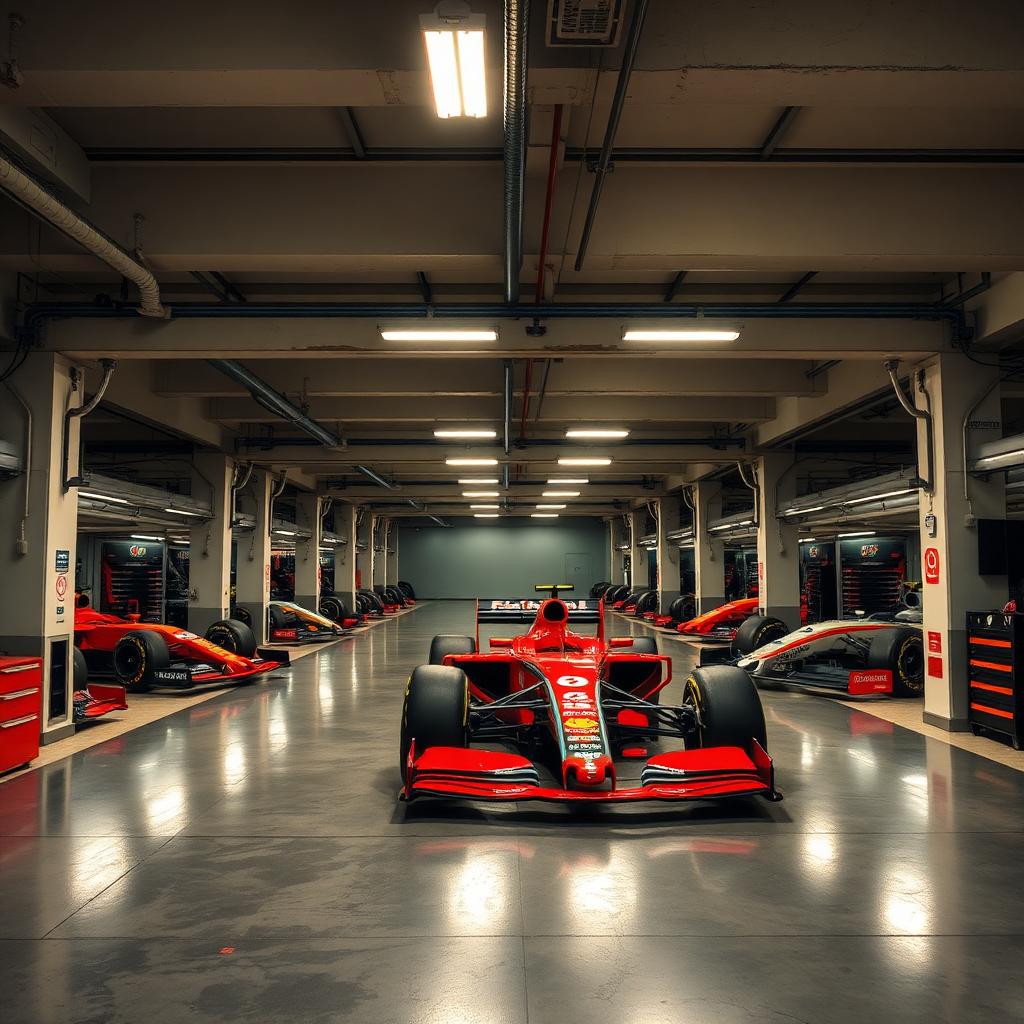
What Is the F1 Curfew Rule?
Article 22 of the FIA Sporting Regulations restricts when team operational personnel can be present at the circuit during overnight hours between sessions. The rule is designed to give mechanics, engineers and support staff a guaranteed rest window. The curfew runs roughly nine hours overnight on the Thursday-Friday and Friday-Saturday nights of a race weekend.
Each team is allowed two exceptions to the curfew per season without penalty. After that, any breach is reported to the stewards, and repeat breaches typically attract financial penalties or other sanctions.
What Mercedes Did at the Red Bull Ring
GPFans reported on June 27, 2026 that the FIA noted Toto Wolff's team for breaching the curfew ahead of the second day of running at the Austrian Grand Prix. The breach came against a backdrop of the FIA also declaring a heat hazard for the weekend, which adds operational pressure on teams managing tyre and brake temperatures.
Crucially, the breach was counted against Mercedes' two-strike allowance for the season rather than being treated as a reportable offence to the stewards. That meant no fine or sporting penalty at the Austrian round itself.
Did the Curfew Breach Affect Race Performance?
It did not appear to hurt. The FIA's official report on FP3 from June 27 shows George Russell on top, with teammate Kimi Antonelli second, just 0.038 seconds behind. Russell then took pole for the race with a 1:06.113, ahead of Charles Leclerc and Lewis Hamilton.
The Mercedes garage worked overnight presumably because of a setup change or to address a problem found in Friday's running. Whatever the reason, the W16 was clearly competitive across the weekend.
Why Teams Break Curfew
The decision is always a trade-off. Reasons teams choose to use a curfew exception include:
- Damage repair. A heavy off in FP1 or FP2 can require a chassis change or full rebuild.
- Setup investigation. Sometimes the data shows a fundamental issue that cannot wait for the morning.
- New parts. A late-arriving upgrade may need to be fitted, scrutineered and signed off.
- Weather contingency. Heat or rain on the way can force last-minute aerodynamic changes.
How Other Teams Handle the Curfew
Top teams treat the two exceptions like a strategic resource. Most try to enter the final third of the season with at least one exception still in hand. Some teams have built rapid-response night-shift workflows that get the most done in the smallest window of staff who never count against the curfew, like senior engineers in management roles.
The Heat Hazard Factor
The FIA's heat hazard declaration at the Austrian Grand Prix was its own headline. The rule allows additional cooling measures, including driver cooling vests, when track temperatures and humidity push the cabin environment beyond a safety threshold. The heat hazard does not directly relate to the curfew breach, but both highlight how operationally demanding the Austrian round was for every team.
How the FIA Reports Breaches
The standard process is that the FIA Technical Delegate or Race Director's office logs personnel arrivals and departures at the circuit using accreditation scans. When a team's personnel are present inside the curfew window, the system flags it. The team has the option to use one of its two exceptions, or, if it has already used both, the case is referred to the stewards for a formal hearing.
Verstappen and Russell at Austria
The curfew story competed with another headline at the same weekend. GPFans also reported that Max Verstappen made a finger gesture at George Russell during a heated moment between the two drivers. That incident was separate from the curfew issue but underlined how tense the Austrian round had become.
What This Means for Mercedes' Season
One curfew exception used in late June leaves Mercedes with one in the bank for the rest of the calendar. With a long second half ahead including Spa, Monza, Singapore and the Vegas-Qatar-Abu Dhabi triple-header, the team will want to keep that remaining exception for an upgrade-fitting weekend or a crash recovery.
Bottom Line
Mercedes' Austrian Grand Prix curfew breach was a legitimate use of one of its two seasonal exceptions, did not draw a sporting penalty and did not stop Russell taking pole and leading FP3. It does, however, signal how operationally tight the weekend was for the team.