Quick Answer
"The Crash" is a Netflix true crime documentary released on May 15, 2026 that revisits the 2022 Strongsville, Ohio case in which 17 year old Mackenzie Shirilla drove her Toyota Camry into a brick building at 100 mph, killing passengers Dominic Russo, 20, and Davion Flanagan, 19.
The film follows the investigation that turned what looked like a tragic late night accident into a calculated double murder case, the bench trial that produced two concurrent 15 years to life sentences, and Shirilla's first ever on camera interview, in which she insists she is "not a murderer."
The Night That Devastated Strongsville
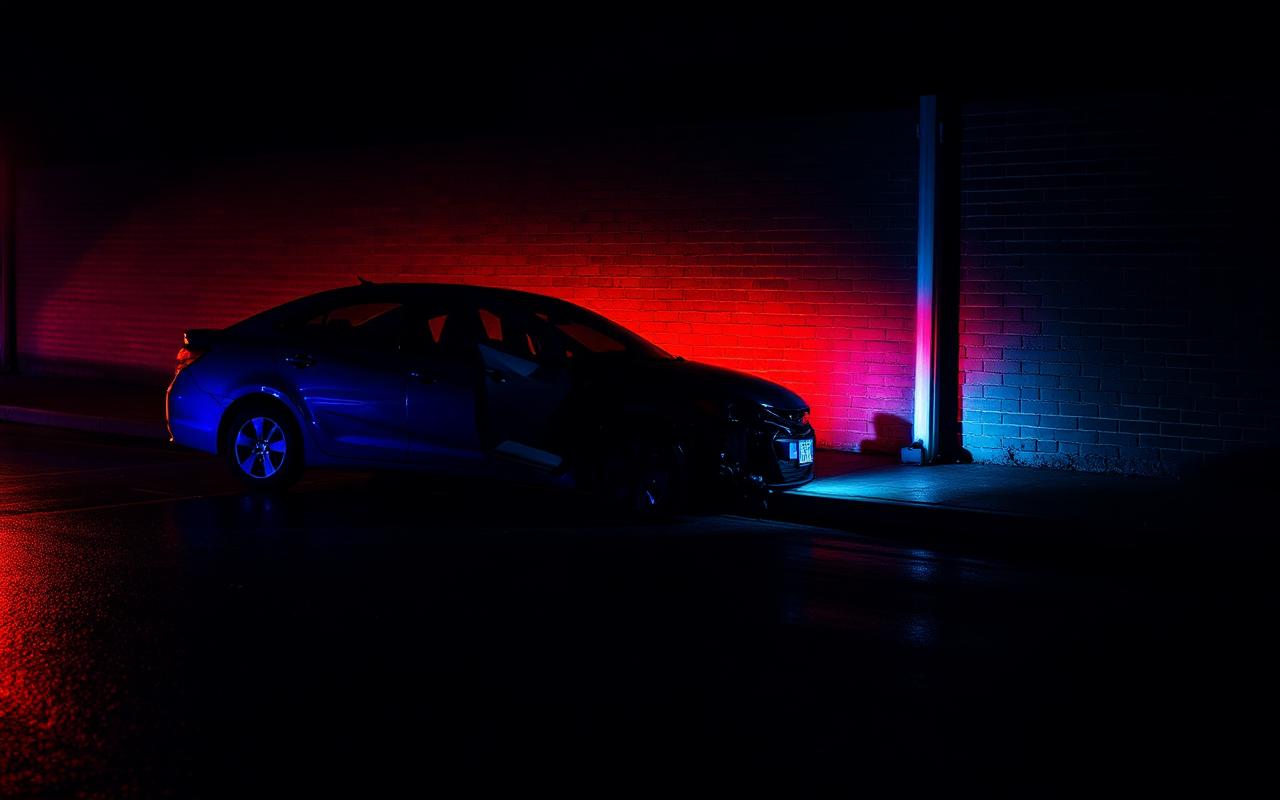
In the early morning hours of July 31, 2022, police in Strongsville, Ohio (a suburb of Cleveland) were called to a horrific scene at an industrial business park near Progress and Alameda drives.
A Toyota Camry had smashed head on into a brick building. All three occupants were unconscious and not breathing when first responders arrived. The two passengers, 20 year old Dominic "Dom" Russo and 19 year old Davion Flanagan, were pronounced dead at the scene. Russo was an aspiring musician building his own clothing line. Flanagan was a former Strongsville High School football standout about to start barber school.
The 17 year old driver, Mackenzie Shirilla, was extracted from the wreckage and rushed to a local emergency room. Her airbags saved her life.
How an Accident Became a Murder Case
Investigators expected a routine teen driving tragedy. The vehicle's event data recorder told a very different story.
According to prosecutors, the black box showed Shirilla traveling at roughly 100 mph in the seconds before impact, with the throttle pinned at 100 percent for the final five seconds. There was no braking. There was no swerving.
The road into the business park curves. To hit the building at that speed, Shirilla had to actively steer the car through bends and keep it on the pavement until it reached the wall. Toxicology came back clean. She was not impaired.
Prosecutors built a motive around her deteriorating relationship with Russo and alleged she had attempted a calculated murder suicide. Davion Flanagan, they said, was simply in the back seat at the wrong moment.
The "Hell on Wheels" Verdict
Shirilla waived her right to a jury and chose a bench trial before Cuyahoga County Common Pleas Judge Nancy Margaret Russo (no relation to the victim).
In August 2023, Judge Russo found her guilty on all 12 counts, including four counts of murder, felonious assault, and aggravated vehicular homicide. Her closing remarks were brutal: Shirilla, she said, "morphs from a responsible driver to literal hell on wheels."
The sentence was two concurrent 15 year to life prison terms. Shirilla was transferred to the Ohio Reformatory for Women in Marysville, where she is not eligible for parole until 2037.
The Failed Appeal and the Leap Year Technicality
In early 2026, her defense team filed a major appeal for a new trial. The argument leaned heavily on her 2017 diagnosis of POTS (postural orthostatic tachycardia syndrome), claiming a sudden "black out" episode caused the crash.
The appeal collapsed on a calendar technicality. Under Ohio law, the petition had to be filed within 365 days of the original trial transcripts being filed. Shirilla's team filed on day 366. They argued that because 2024 was a leap year, the extra February day should grant an anniversary grace period. The Eighth District Court of Appeals rejected the argument, ruling it lacked jurisdiction because the law says 365 days, full stop.
Shirilla Speaks for the First Time
The most striking element of the documentary is the access. Shirilla refused to speak to police and never testified at her trial. In "The Crash" she sits down on camera for the first time, with her lawyer present.
"I'm not saying I'm innocent. I was a driver of a tragedy, but I'm not a murderer," she tells the filmmakers. Pressed on how a medical episode could explain steering through curves at 100 mph, she retreats to a simpler claim: she has no memory of that morning. "I know nothing about it was intentional, because that's not in my character," she says.
The Digital Footprint Question
The film also dissects her social media activity in the months between the crash and her arrest: concerts, smiling photos, lifestyle brand outreach. To the victims' families, it read as a sociopathic lack of remorse. To her mother Natalie, it was a traumatized teenager trying to keep moving.
The documentary lets both readings sit on screen without resolving them, which is part of why it is generating so much debate online.
The Families' Long Wait
For the families of Dominic Russo and Davion Flanagan, the constant media cycles and appeals keep ripping the wound open. "It's like a scab being constantly ripped off when all we want to do is heal the loss of our son," Davion's father Scott Flanagan recently said.
The takeaway
"The Crash" is not a whodunit. The verdict is in, the appeals path is essentially closed, and the physical evidence is brutal in its clarity. What the documentary does is force viewers to look at the data, the interview, and the families, and decide for themselves whether they are watching a medical emergency, a teenage relationship gone catastrophically wrong, or the most calculated act of vehicular murder imaginable.