Quick Answer
A Starbucks Reserve store is a premium tier of Starbucks that serves rare, small-lot single-origin coffees using manual brewing methods like pour-over, siphon, and Chemex, alongside a specialty menu that often includes coffee cocktails and artisan food.
There are three levels: full Reserve Roasteries (only six worldwide), Reserve Bars (dedicated Reserve counters inside larger urban cafes), and regular stores that stock a rotating Reserve bean without the manual brewing setup.
The three tiers of the Reserve program
1. Reserve Roasteries (the flagships)
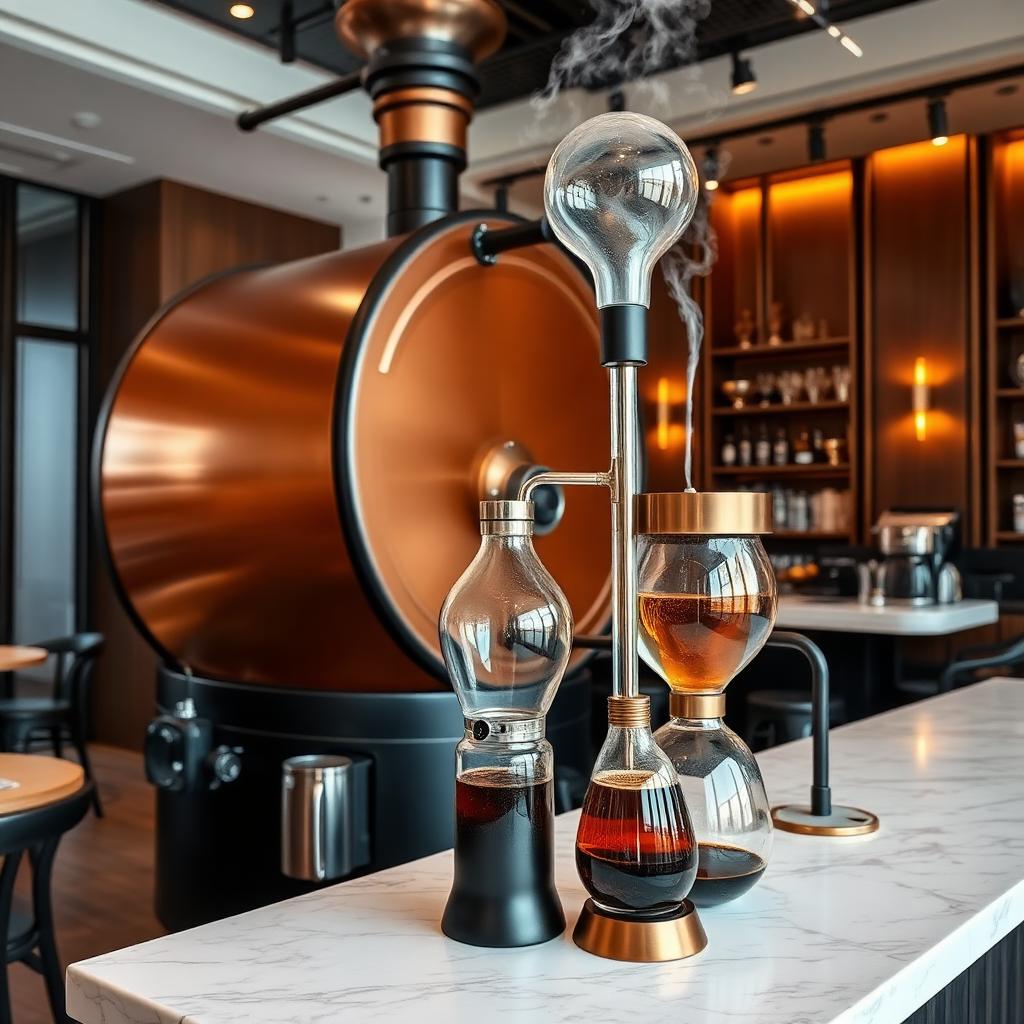
Only six of these exist worldwide: Seattle (opened 2014), Shanghai (2017), Milan and New York (2018), Tokyo and Chicago (2019). They can span up to 35,000 square feet and house a working roasting drum, an experiential coffee bar with multiple brewing stations, a full bakery run in partnership with Princi, and a cocktail bar called the Arriviamo Bar.
2. Reserve Bars
These are Reserve counters embedded inside larger urban Starbucks locations. They have their own baristas trained on manual brewing gear, but they share the store with a standard Starbucks. Cities like Chicago, Los Angeles, and Toronto have several. You can order both a standard latte and a hand-brewed Kenya pour-over at the same building.
3. Reserve at core stores
A subset of regular Starbucks stores carry a rotating Reserve bean brewed through the standard Clover Vertica pour-over or drip machine. There is no dedicated bar, no manual siphon, and no cocktail program. The Reserve label here mostly refers to the bean sourcing, not the experience.
How Reserve is different from a regular Starbucks
| Feature | Standard Starbucks | Reserve Roastery |
|---|---|---|
| Bean sourcing | Large blends (Pike Place, House, Dark Roast) | Small-lot single-origin from named farms |
| Espresso machine | Automatic Mastrena (button push) | Manual La Marzocco Modbar or Nuova Simonelli |
| Brewing methods | Drip machine, Clover | Siphon, Chemex, pour-over, Clover, French press |
| Menu focus | Sweet lattes, Frappuccinos, Refreshers | Coffee flights, cortados, mocktails |
| Alcohol | None | Arriviamo Bar: espresso martinis, barrel-aged cocktails |
| Food | Warmed grab-and-go | Princi bakery, wood-fired pizzas, artisan sandwiches |
What "small-lot" actually means
A regular Starbucks blend needs millions of pounds of coffee per year, which means the buying team sources from established, high-volume estates. Reserve buyers do the opposite: they scout individual micro-lots, sometimes just a few hundred pounds of coffee from a single farm harvest. The Reserve label goes on beans that are unusual (rare varietals like Geisha or Bourbon), unusually processed (natural, honey, anaerobic), or unusually origin-specific (single farm, single altitude band).
Because the volume is small, Reserve beans rotate. A coffee you loved last month may be gone this month. That rotation is intentional, it is the closest thing Starbucks has to a specialty roaster tasting menu.
The manual brewing menu
The Reserve brewing wall usually offers four methods for the same bean, and each produces a different cup:
- Pour-over (V60 or Chemex). Clean, bright, tea-like. Best for delicate African coffees where you want to taste jasmine, bergamot, or berry notes.
- Siphon. Vacuum-driven and dramatic. Produces a silky, aromatic cup with visible tabletop theater. Best for medium-bodied Latin American beans.
- Clover Vertica. A precision inverted-brewing machine. Balanced body, moderate clarity. Works for almost any bean.
- Espresso. Pulled on manual La Marzocco gear as a Reserve espresso, cortado, or macchiato. Concentrated, syrupy, intense.
The Arriviamo Bar and Princi partnership
The Roasteries also carry two brands most customers never see at a regular Starbucks. The Arriviamo Bar serves cocktails built around coffee: espresso martinis, whiskey-and-cold-brew highballs, seasonal spritzes. The Princi bakery serves Italian breads, focaccia, panzerotti, and wood-fired pizzas developed by the Milanese baker Rocco Princi. Both were added to give the Roasteries an all-day destination feel, not just a coffee stop.
What to order on your first visit
- A coffee flight. Three small cups of the same bean brewed three different ways. Best value for a first-time visit because it teaches you how brewing method changes flavor.
- A Reserve cortado. Two Reserve espresso shots with a tight layer of steamed milk. Shows off the Reserve espresso profile without hiding it in sugar.
- A pour-over of a natural-process Ethiopian. The showcase brew that most reveals what "single-origin, small-lot" tastes like.
Frequently asked questions
Is Reserve more expensive than a regular Starbucks?
Yes. Reserve pour-overs typically run $7 to $12 per cup. Cocktails at the Arriviamo Bar start around $16. You are paying for rare beans, manual labor, and the space.
Can I use my Starbucks Rewards at a Reserve store?
Yes. Stars earn and redeem at Reserve stores the same as at regular Starbucks, though Reserve items sometimes require a higher Star redemption tier.
Are there Reserve stores near me?
The Starbucks Reserve locator on starbucksreserve.com lists every Roastery and Reserve Bar globally. In the US, the six Roasteries are in Seattle, New York, and Chicago, with Reserve Bars in most major metros.
Do I need a reservation?
Not for coffee. The Arriviamo cocktail bar at some Roasteries takes reservations during peak evening hours.
How Reserve compares to independent specialty cafes
Third-wave independent cafes (Blue Bottle, Intelligentsia, Verve, Sightglass, La Colombe) built their brand on small-lot single-origin coffee, manual brewing, and barista training. Starbucks Reserve is Starbucks' answer to that movement. In blind cup tastings the top Reserve coffees hold their own against top independent roasters, but the atmosphere is very different: Reserve Roasteries are massive, corporate, and polished, while independents tend to be smaller, more idiosyncratic, and community-focused. Both have a place, and drinking at both teaches you a lot about how different coffee culture can feel.
How to know if you will actually enjoy a Reserve visit
Reserve rewards a specific type of customer: someone who is curious about coffee origin and process, comfortable spending 20 to 40 minutes at the bar, and open to drinking coffee without cream or sugar. If you love your Grande Caramel Macchiato as-is and have no interest in tasting the difference between a natural Ethiopian and a washed Guatemalan, Reserve will feel expensive and slow. If those origin details sound interesting, a Reserve Roastery visit is easily worth a two-hour detour on a city trip.
Bottom line
A Starbucks Reserve store is a completely different experience from a standard drive-thru. Small-lot single-origin beans, manual brewing gear, Italian bakery food, and coffee cocktails turn a quick caffeine stop into a two-hour sit-down. If you are in one of the six Roastery cities, a coffee flight and a pour-over is the best introduction to what specialty coffee actually tastes like at scale.