Quick Answer
Have I Been Flocked is a public transparency site that lets you type in a license plate and see whether that plate appears in Flock automated license plate reader search logs the project has collected.
The important distinction is that it shows searches, not camera sightings. A match means somebody with access to the system typed your plate into it and the query was recorded in an audit log.
The data comes from public records requests submitted to police agencies, not from a leak or a back door into Flock's servers.
How Automated Plate Readers Work
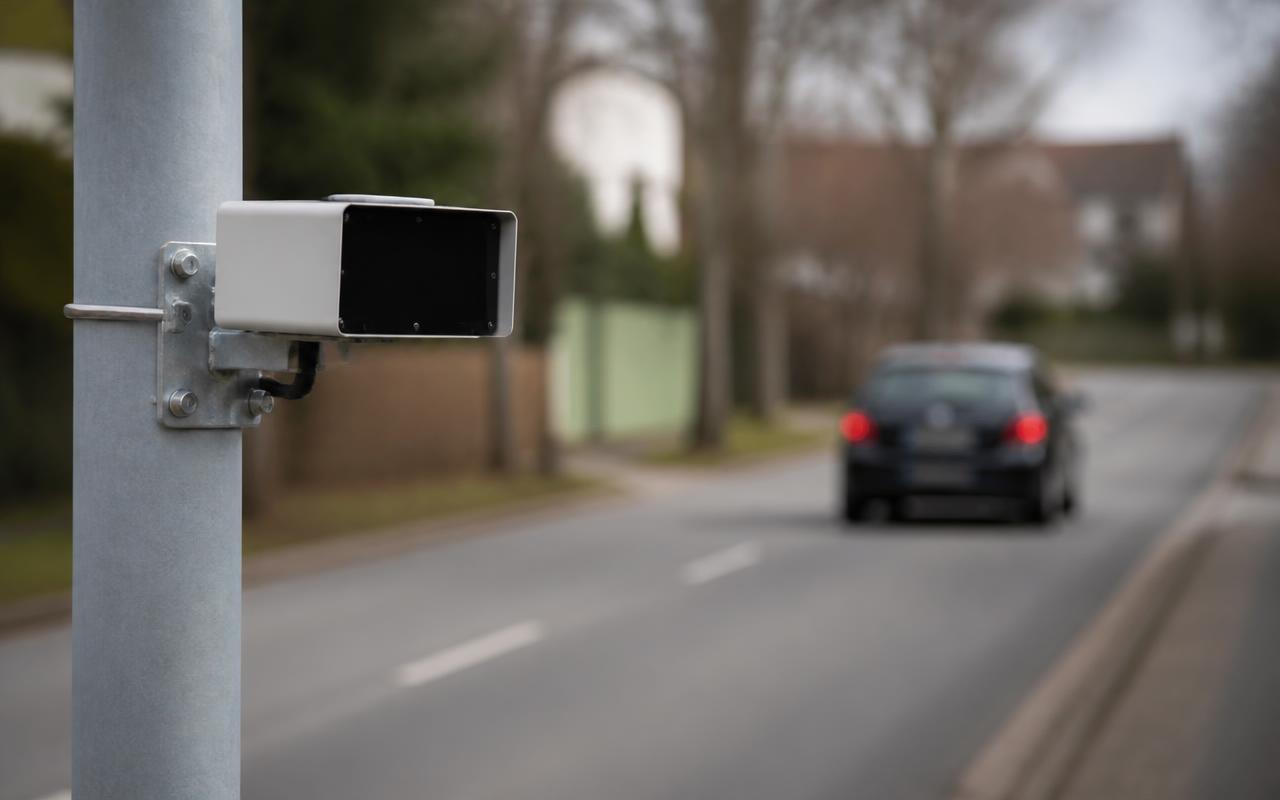
Flock Safety cameras are small, usually solar powered units mounted on poles at road entrances, junctions and neighbourhood gateways. They photograph passing vehicles continuously rather than only when a rule is broken.
Software then reads the plate characters and records other attributes of the vehicle. That is the part people underestimate: the systems record body type, colour, roof racks, bumper stickers and visible damage, so a vehicle can be described even without a plate.
Each read becomes a timestamped, geolocated record. Stack enough cameras across enough jurisdictions and you have a searchable history of where a particular vehicle has been.

What the Audit Logs Contain
Agencies using Flock can export audit logs from the software. These are records of who searched what, and they exist so that use of the system can be reviewed.
| Log type | What it covers | Typical detail |
|---|---|---|
| Organization audit log | Searches by the agency's own operators | Plate searched, reason, case number, search time |
| Network audit log | Searches by outside agencies via sharing agreements | Often less operator detail |
| Configuration and event records | Camera settings and sharing arrangements | Useful context rather than plate level data |
The reason field is free text entered by the operator. That is why published analyses can group searches by stated justification, and why those justifications are only as reliable as whatever the officer typed.
Have I Been Flocked publishes topic reports built from those reason fields, including searches whose stated reason touches on immigration enforcement or on protected First Amendment activity such as protests and political organising.
What a Match Actually Means
If your plate appears, three things follow. Somebody queried it, the query was logged, and that log was later released under a records request. That is the whole claim.
It does not mean you are under investigation. Plates get searched for mundane reasons: you were near an incident, your car resembles one on a hotlist, or the plate was mistyped by one character.
Equally, no match does not mean you have never been photographed. Passive camera reads are not search records, and the project only holds logs from agencies that actually released them.
Why the Coverage Is Patchy
Every record in the database had to be pried out of a specific agency by a specific request. Some agencies release clean CSV exports quickly. Others charge fees, redact heavily, or refuse.
That produces uneven geography. A state with strong public records law and active requesters will be well represented, while a neighbouring state may be nearly absent even though it has the same cameras.
Time coverage is uneven too. A released log usually spans a defined window, so a search made outside that window will not appear even for an agency that has otherwise cooperated.
The Privacy Argument on Both Sides
Supporters point to concrete uses: stolen vehicles, Amber alerts, hit and run investigations and suspects fleeing across jurisdictions. These systems do close cases that would otherwise stall.
Critics point to scale. Location history for millions of people who have done nothing wrong sits in a private company's cloud, searchable by thousands of operators, with oversight that varies enormously between agencies.
- Warrantless pattern of life tracking: no single camera read is private, but the aggregate is a travel diary.
- Cross jurisdiction sharing: an agency in one state can search plates in another, which raises questions when state laws diverge.
- Private cameras feeding police: homeowner associations and businesses install cameras that share into law enforcement networks.
- Redaction failures: some agencies have released records with more personal detail than intended.
Retention policy is the usual flashpoint. Most deployments delete reads after a set period, commonly around 30 days, but sharing agreements and downstream copies complicate what deletion really means.
What You Can Actually Do
Search your own plate on the site to see whether any released logs mention it. Treat the result as a starting point rather than a verdict.
If you want the authoritative version, file your own public records request with your local police department for the Flock organization audit log covering a date range. The site publishes template request language for exactly this.
Beyond the individual level, the levers are local. Camera contracts are usually approved by city councils or county boards, and retention limits, sharing rules and audit publication are all set in those agreements.
Frequently Asked Questions
Is Have I Been Flocked official?
No. It is an independent transparency project that compiles records obtained through public records requests. It is not affiliated with Flock Safety or with any police agency.
Does a match mean I am being investigated?
No. It means your plate was entered into the system and the search was logged. Reasons range from active investigations to near misses on a partial plate.
Where does the data come from?
From audit logs released by law enforcement agencies in response to freedom of information requests, then submitted to and processed by the project.
Can I get my plate removed?
Not from the underlying police records, which are government records. Questions about the retention of camera reads themselves go to the agency operating the cameras.
How long are plate reads kept?
Retention is set per agency, commonly around 30 days for passive reads, though search logs and shared copies can persist differently. Your local contract is the only reliable answer.
Bottom Line
Have I Been Flocked is a window into how often plate reader systems are queried and why, built from records agencies were legally obliged to hand over.
Use it to check your own plate, but read a match for what it is: evidence that a search happened, not proof that you were followed.