Quick Answer
Ryman has traded under the Ryman name since 1893, but the corporate identity has shifted several times.
It was founded as H. J. Ryman by Henry J. Ryman on Great Portland Street in London in October 1893. In 1968 it briefly became Ryman Conran after a tie up with Terence Conran's Habitat. In the 2000s Theo Paphitis's group acquired the rival chains Partners the Stationers and Stationery Box and rolled them under a single Ryman brand.
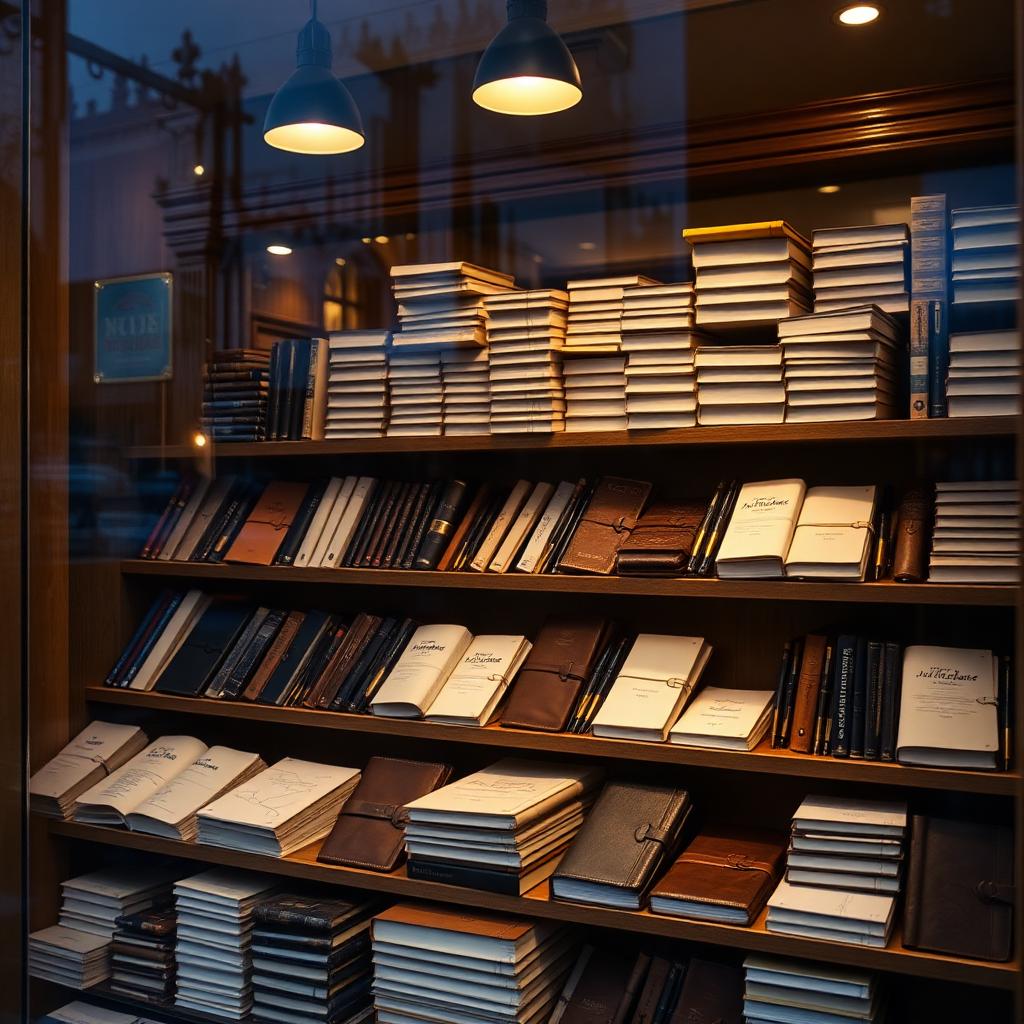
1893: H. J. Ryman, Great Portland Street
Henry J. Ryman opened his first stationery shop on Great Portland Street in London in October 1893. The company traded as H. J. Ryman from that opening and grew steadily into a London focused chain across the early twentieth century, selling typewriters, ink, paper goods and office supplies aimed at the rapidly expanding clerical economy.
1968: The Ryman Conran Episode
In 1968 Ryman was bought by Terence Conran's Habitat group, the design and homewares retailer. The combined business briefly used the name Ryman Conran as it tried to fold a then experimental stationery and office concept into Conran's wider design retail world. The fit was uneasy, and the two sides went their separate ways again during the 1970s. Ryman returned to operating under the standalone Ryman name.

1995: Acquired by Theo Paphitis
According to the Theo Paphitis Retail Group's own published business timeline, Ryman Stationery was acquired from administrators in 1995 by the entrepreneur Theo Paphitis. That marked the start of the modern phase of the business and triggered a wave of rebranding and store remodelling across the chain.
2001 and 2007: Absorbing Competitors
Two rival UK stationery chains were folded into Ryman during this period:
- 2001: Partners the Stationers. 86 stores were acquired out of receivership on Valentine's Day 2001.
- 2007: Stationery Box. 61 stores were acquired out of administration in January 2007.
For several years the three brands ran side by side. In 2008 the Partners and Stationery Box brands were combined and rebranded entirely under the Ryman name, giving Ryman its current high street footprint of roughly 197 outlets across the UK.
So What Did Ryman Used to Be Called?
Strictly speaking Ryman has always been called Ryman in everyday trading. The corporate name was H. J. Ryman Limited for decades, and the brand briefly appeared as Ryman Conran in the late 1960s during the Habitat tie up. The stores you might remember as Partners or Stationery Box were not Ryman at the time, they were absorbed competitors that were later rebranded as Ryman in 2008.
Why People Get Confused
Older shoppers often associate Ryman with the typewriter and office supply era, mid life shoppers remember the orange and red Partners the Stationers fascias, and newer shoppers only know the unified modern Ryman brand. All three are part of the same lineage in 2026, just under different names at different points in history.
Bottom Line
Ryman has effectively always been called Ryman. The legal entity was H. J. Ryman Limited, and the brand once flirted with the name Ryman Conran in 1968. Its store footprint today includes locations that used to operate as Partners the Stationers and Stationery Box, both of which were rebranded under the Ryman name in 2008.
How Ryman Compares to Other UK Stationery Names Today
Ryman is one of three major dedicated stationery names on the UK high street, alongside WHSmith and Paperchase. Ryman positions itself most clearly around office supplies and small business stationery. WHSmith leans towards books, magazines and travel, with stationery as a strong but secondary category. Paperchase, after its own corporate troubles in the early 2020s, returned in 2023 as a smaller online focused brand owned by Tesco.
The Ryman name is the survivor of multiple acquisitions and mergers across its 130 plus year history. The fact that branches you may still remember as Partners the Stationers or Stationery Box are now Ryman is the most common reason people ask what Ryman stationery used to be called.
Final Word on What Ryman Stationery Used to Be Called
Ryman has effectively always traded under the Ryman name since 1893. The legal entity was H. J. Ryman Limited, the brand briefly appeared as Ryman Conran in the 1968 Habitat tie up, and many current Ryman stores used to operate as Partners the Stationers or Stationery Box before being rebranded under the Ryman name in 2008.
Ryman as the Surviving High Street Stationery Brand
In 2026 Ryman is one of the few standalone high street stationery brands still operating at scale in the UK. The chain has roughly 197 outlets nationwide, headquartered in Crewe, and it remains part of the Theo Paphitis Retail Group which also owns Robert Dyas and Boux Avenue. Ryman's survival through three decades of online retail disruption is a direct result of the rebranding and consolidation work done in the 1990s and 2000s under the Ryman name.