Quick Answer
What changed on Disneyland Pirates of the Caribbean in June 2026 is a new patented transforming animatronic. The ride reopened after a spring refurbishment with a new transforming audio animatronic figure that morphs from a living pirate into a cursed skeleton in front of guests. The effect uses a new, patented forward projection mapping technique projected directly onto a fully articulated animatronic face.
The new figure sits in the grotto scenes shortly after the Blue Bayou waterfall drop. Unlike older Disney rear projected faces, the upgrade preserves the dimensional, lit from above look of a physical animatronic while letting the surface skin change in real time.

What the New Effect Actually Looks Like
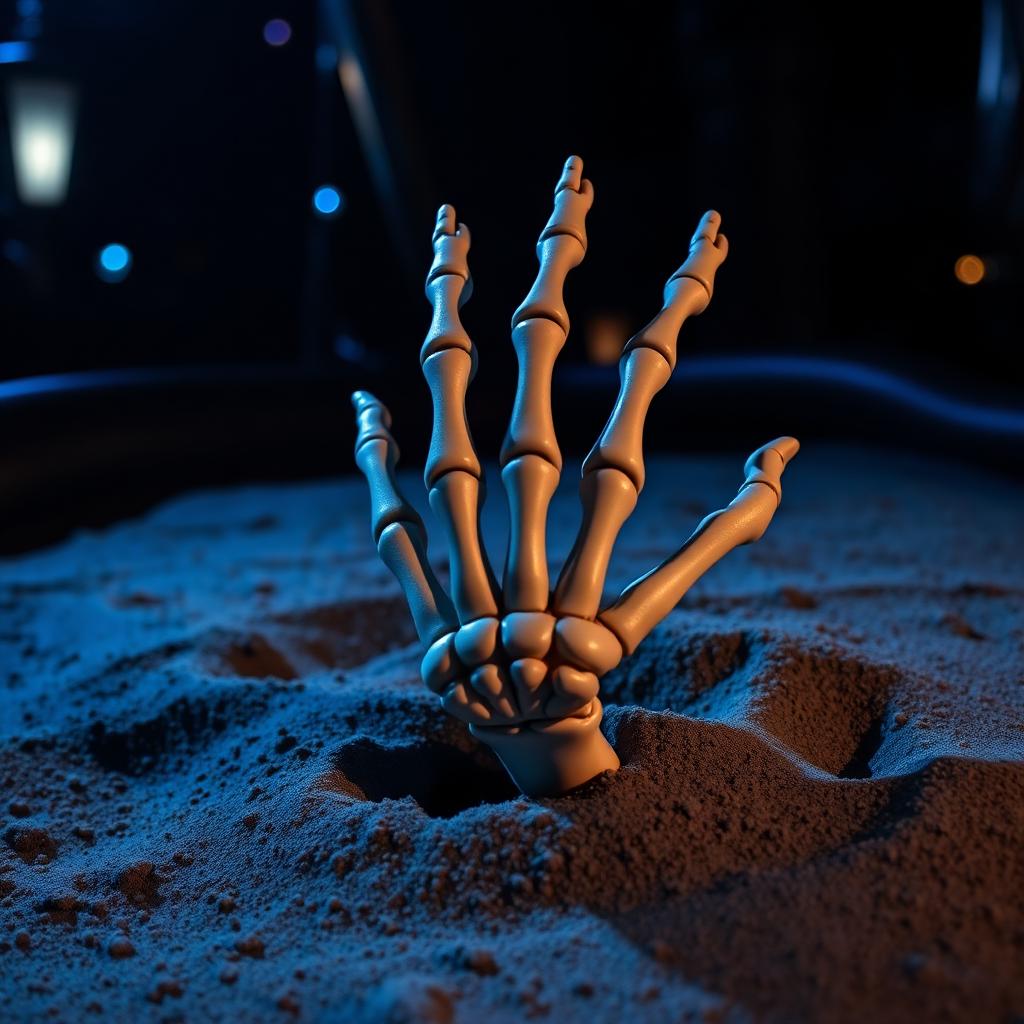
As guests float past the new figure, they see a fully articulated pirate audio animatronic moving, speaking and gesturing in dimensional space. Mid scene, a synchronised forward projection layer melts the human skin texture off the figure's face, revealing the underlying skeleton skull. The animatronic continues to move and articulate normally while the surface skin transitions. The skull then re skins, returning the figure to its living state on a loop.
The illusion ties directly to the franchise's Aztec gold curse mythology, where pirates appear human in firelight and skeletal in moonlight. Walt Disney Imagineering (WDI) leaned into that storytelling hook so the technological showcase doubles as a canonical lore beat for the ride.
How Forward Projection Mapping Differs From Older Tricks
Disney has used projected faces on theme park figures for years, most visibly in Haunted Mansion's Madame Leota and in older Pirates updates. Those effects largely relied on rear projection: a translucent face is illuminated from behind, with the projector hidden inside the figure's head. The look works in low light but tends to read as flat from certain angles because there is no real surface depth or directional shading.
The new approach is forward projection mapping. Instead of lighting the face from behind, a high definition projector throws texture data forward onto a real, opaque, fully sculpted animatronic face from the audience side. Because the projection is calibrated to the physical geometry of the moving head, the face keeps its dimensional shading, its highlights and its lit from above appearance. The skin can change appearance in real time, but it is still a real surface.
Why the Switch Matters for Disney Imagineering
For WDI, the new figure is a working showcase of where the next decade of audio animatronics is going. The relevant technical bottleneck has long been character expressiveness: traditional servo driven faces are limited by how many actuators you can pack behind a moving face without losing reliability or service life. Forward projection mapping lets a smaller, more reliable physical actuator set carry a much wider range of surface expression because the surface texture itself becomes programmable.
The patent angle also matters. By patenting the implementation, Disney protects the technique from being directly cloned by competing parks while it continues to refine the calibration, the projection hardware and the geometry tracking needed to keep the illusion convincing under varied lighting and varied ride speeds.
Where the Figure Sits in the Ride
The new figure is positioned in the grotto scenes that follow the Blue Bayou waterfall drop. That is one of the most photographed and most lore dense stretches of the original Anaheim attraction, deliberately chosen so the technology lands inside an iconic scene rather than as a sideline novelty. Guests do not need to look for it. It plays into the scene's natural sightline as the boat passes.
What Did Not Change
The refurbishment focused on the new figure and on routine track and show maintenance. The ride's overall layout, story beats, music score, characters and existing scenes remain intact. There is no reorganisation of the auction scene, no removal of existing figures and no narrative restructure. The update is additive, layering a new technological showpiece onto a still familiar ride.
What This Hints at for Other Disney Attractions
If forward projection mapping holds up at scale on Pirates of the Caribbean, it is the kind of technology WDI typically rolls out incrementally across other attractions and parks. The most natural candidates are attractions where character expressiveness or transformation are part of the story: Haunted Mansion's ballroom, Tiana's Bayou Adventure villains, future Star Wars and Marvel character figures, and any future ride built around shape shifting or curse mechanics.
The technique is also a natural fit for Walt Disney World versions of the Pirates ride, although Disney has not announced any cross park rollout schedule.
Bottom Line
Disneyland's Pirates of the Caribbean reopened with a single, deliberate upgrade: a new audio animatronic that uses forward projection mapping to transform a living pirate into a skeleton inside the grotto scenes. It is one figure, but it is the clearest signal yet that Disney's next generation of theme park characters will rely on programmable surface texture rather than purely mechanical face actuation, and that the Aztec gold curse from the films now has a real, in park visual hook.