Quick Answer
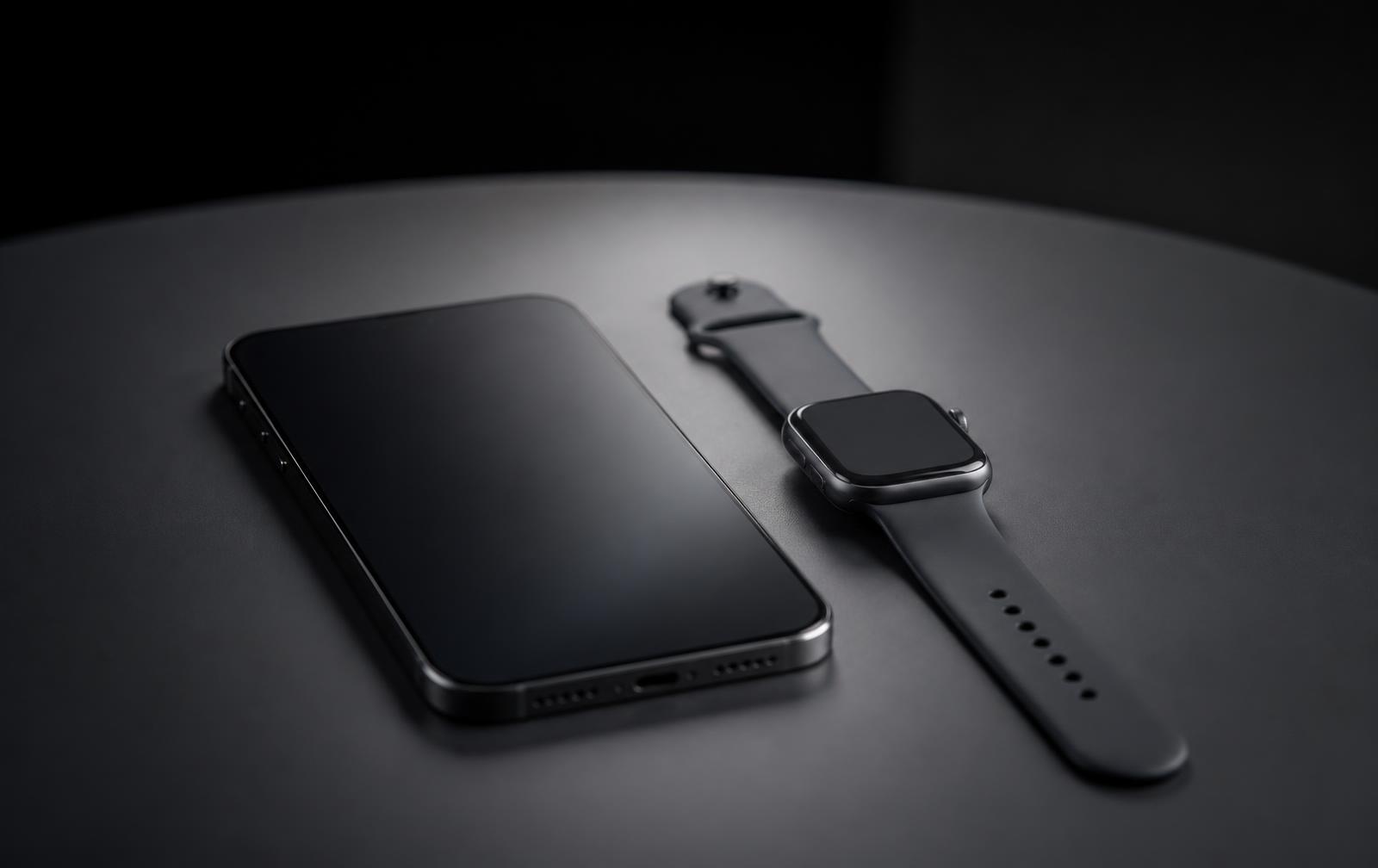
The biggest hardware shift in the next iPhone cycle is a new ultra thin model, widely referred to in the supply chain as the iPhone Air or iPhone Slim. Leaks point to a chassis depth of roughly 5.1mm, a 6.6 inch OLED panel, and an aluminum titanium alloy frame, with the device positioned to replace the Plus tier between the standard and Pro models.
Across the rest of the lineup, expect the move to TSMC's enhanced 3nm (N3P) node, a baseline jump to 8GB of RAM, and 12GB on the Pro models to support Apple Intelligence on device.
The iPhone Air: a brand new tier
For three years the Plus model has underperformed at retail. Larger screen buyers gravitate to the Pro Max, and the Plus has been left as the awkward middle child. The rumored replacement is a much more confident pitch: a phone built around how thin Apple can actually make a slab of glass, silicon, and metal in 2026.
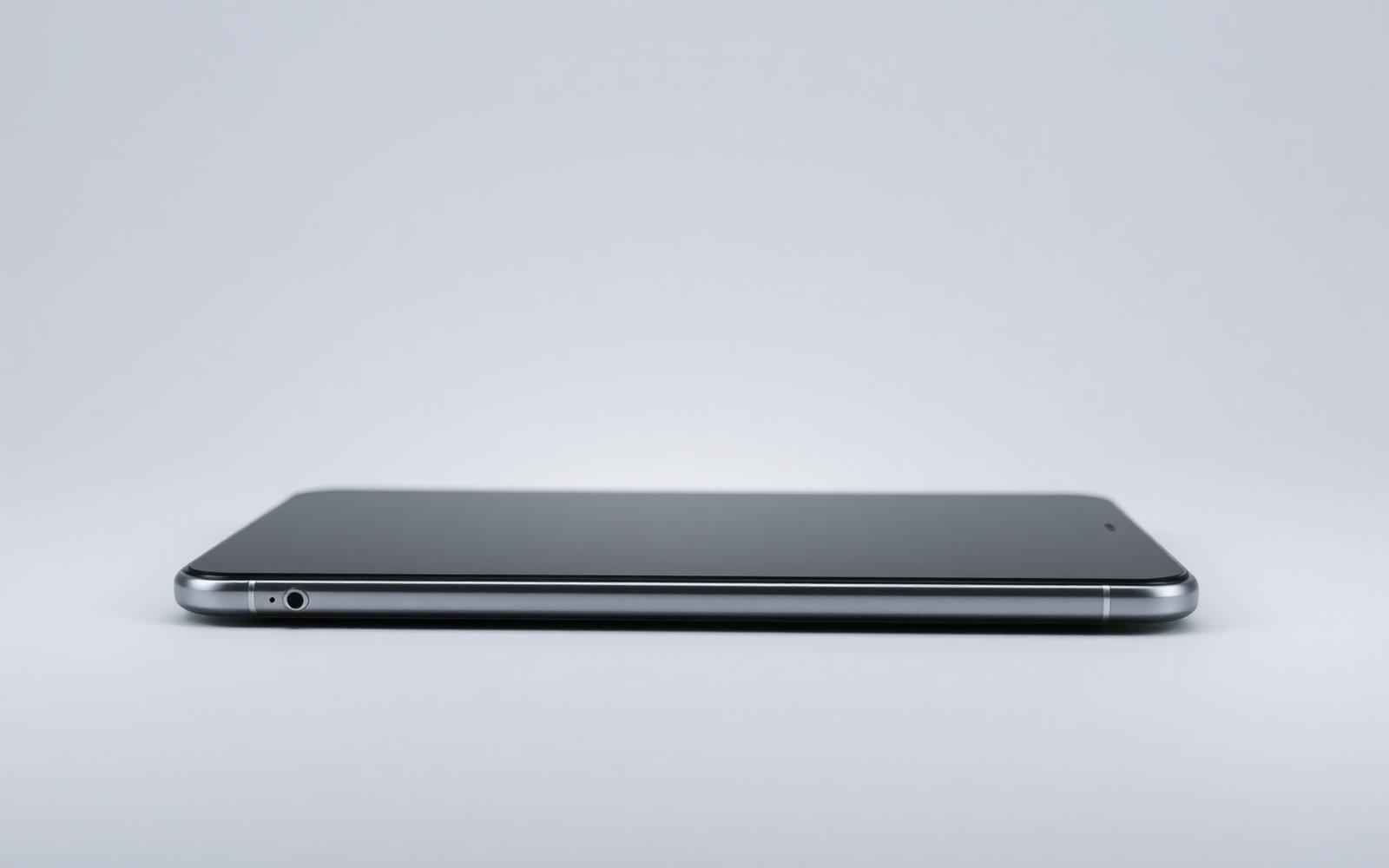
Supply chain sources tracking case mold tooling describe a chassis that measures around 5.1mm at its thinnest point, putting the device in the same physical league as the current M4 iPad Pro. Apple has historically tolerated some risk of structural flex on slim products, and the rumored aluminum titanium alloy frame is the engineering answer, stiffer than pure aluminum but lighter than the titanium chassis used on recent Pro models.
Display and screen size positioning
The Air is expected to ship with a 6.6 inch rigid OLED panel. That deliberately slots it between the standard 6.1 inch model and the 6.3 inch Pro, but the slim profile is the differentiator, not the diagonal. Display driver leaks suggest it will use an LTPO backplane with ProMotion variable refresh, the same family of panels used in the Pro tier, although Apple may cap the maximum brightness to manage thermal load on the thinner chassis.
A20 silicon and the RAM jump
Performance gains come from TSMC's enhanced 3nm process, often referred to as N3P. The node is a refinement, not a full shrink, so headline transistor counts will not jump dramatically, but power efficiency and sustained clock speeds are expected to improve by roughly 10 to 15 percent over the previous generation.
The more interesting story is memory. Apple Intelligence runs a roughly 3 billion parameter language model directly on the device, plus a diffusion image model and several smaller task models. To keep all of that resident in memory alongside iOS and user apps, the baseline RAM looks set to move to 8GB across the standard and Air models, with Pro models pushing to 12GB.
Camera changes worth noting
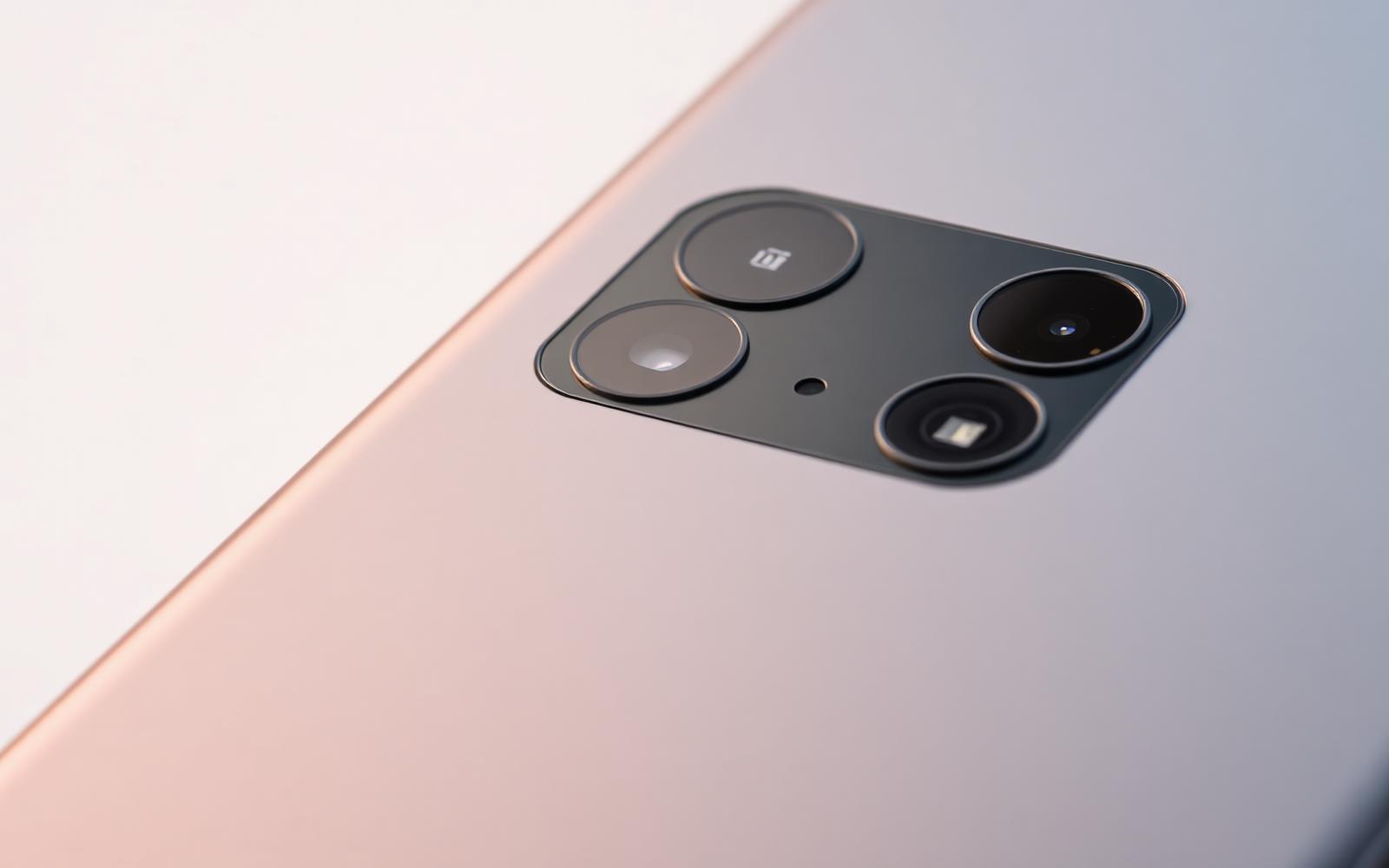
- Air model: a single 48MP wide angle sensor, with computational pipelines synthesizing a 2x crop in place of a true telephoto.
- Standard model: the familiar 48MP main plus 12MP ultrawide pair.
- Pro: a triple 48MP system with a unified sensor across all three lenses, simplifying color matching and HDR fusion.
- Pro Max: retains the periscope telephoto with 5x optical zoom and benefits from a redesigned stabilization assembly.
The most concrete upgrade across the Pro models is the move from a 12MP ultrawide to a 48MP stacked CMOS sensor. That allows pixel binning for cleaner low light shots and supports higher resolution macro photography without needing a dedicated macro lens.
Dynamic Island, Face ID, and the under display question
Full under display Face ID is still a future goal, primarily because pushing infrared dot projection through the OLED panel attenuates the signal and degrades accuracy. What looks more achievable for this cycle is a smaller pill shaped Dynamic Island, made possible by repackaging the dot projector and proximity sensor into a tighter module.
Launch window and pricing expectations
Apple has held to a September launch cadence for years and there is no reason to expect that to change. Production ramps are reportedly on schedule at both Foxconn and Pegatron facilities. Pricing is the more interesting question. The Air is expected to launch at a premium over the standard model, likely in the same band as the outgoing Plus, with the rest of the lineup holding steady.
How the lineup compares
For context on how this slots in with the broader Apple roadmap, see the wider iPhone 18 Pro leaks for 2026 and the latest Pro Max rumors covering the 2nm A20 chip.
The takeaway
The headline story for next cycle is not a faster chip or a better camera. It is industrial design returning to center stage. A 5.1mm chassis with a 6.6 inch ProMotion panel, paired with enough RAM to actually run Apple Intelligence well, would be the most visually distinctive iPhone in nearly a decade. Whether the Air can carry a premium price tag on a single camera is the open question.
Frequently asked questions
Will the iPhone Air replace the Plus?
That is the strongest current rumor. The Plus has underperformed, and the Air slots into the same price band with a much stronger industrial design story.
How thin is the iPhone Air supposed to be?
Roughly 5.1mm at its thinnest point, in the same range as the M4 iPad Pro.
Will the standard iPhone get 120Hz ProMotion this year?
Not according to current display driver leaks. ProMotion remains a Pro and Air feature for this cycle.
Battery life on a 5.1mm chassis
The most obvious concern with any ultra thin phone is battery life. There is only so much lithium chemistry you can stuff into a 5.1mm chassis. Supply chain estimates suggest the iPhone Air ships with a battery capacity in the 2,800 to 3,000mAh range, smaller than the standard model and well below the Pro Max.
Apple is reportedly offsetting this in three ways. The N3P silicon improves power efficiency by roughly 15 percent in mixed workloads. The LTPO display can drop to 1Hz on a static screen, which saves meaningful battery during reading. And iOS scheduling for Apple Intelligence tasks is being tuned to defer heavy on device inference to moments when the phone is charging or sitting idle.
Real world battery life on the Air is expected to land somewhere between the iPhone mini lineup of years past and the current standard model. That is acceptable for most users, but heavy gamers and video shooters will likely still gravitate to the Pro Max.
What about the eSIM only debate
The Air is rumored to be eSIM only in every market, including those where physical SIM trays are currently retained. That mirrors the direction Apple started in the US in 2022. The slim chassis simply does not have room for a SIM tray and an antenna gasket alongside everything else. Expect carrier complaints in markets that have lagged on eSIM adoption.