Quick Answer
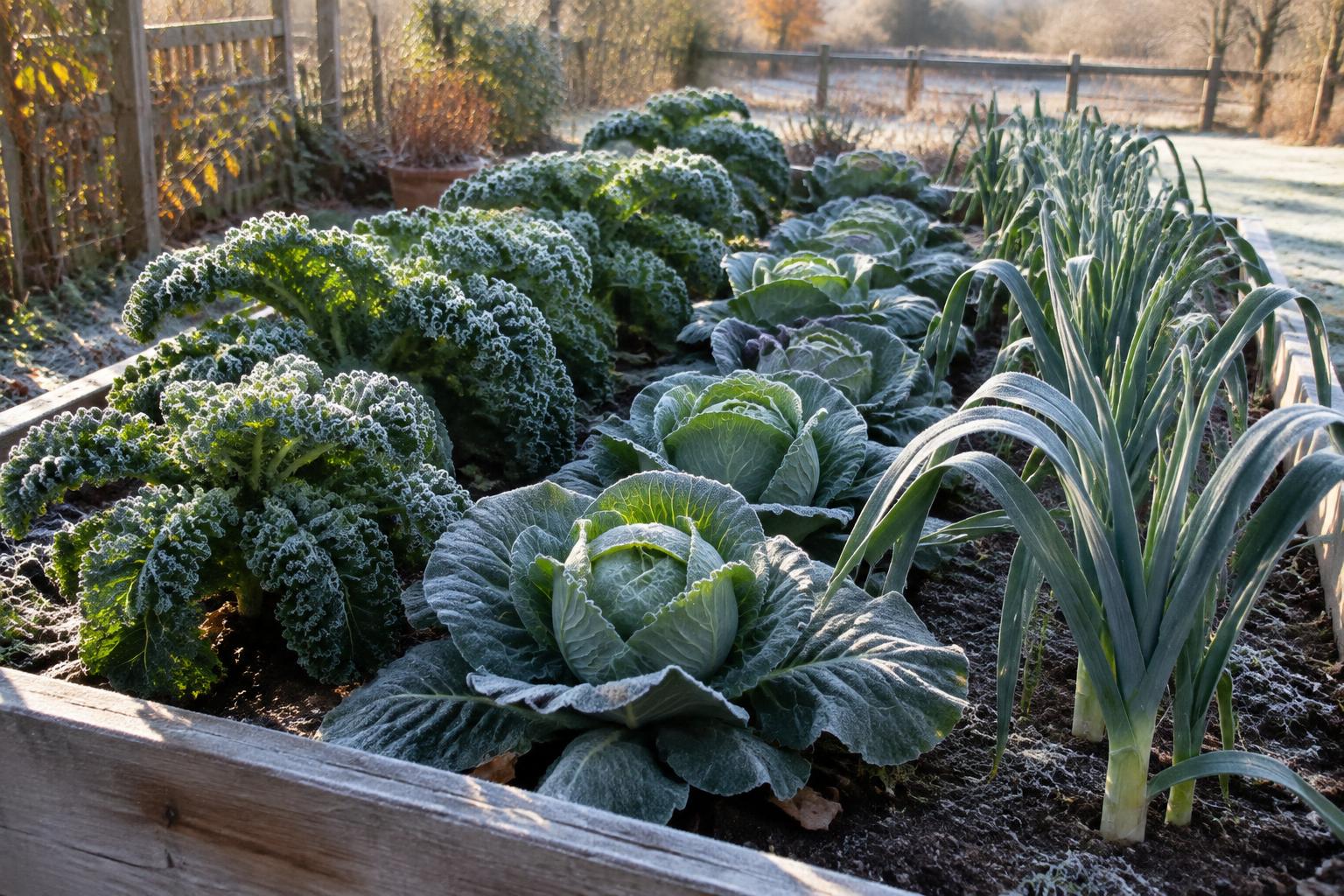
The best winter vegetables to grow are kale, cabbage, Brussels sprouts, leeks, carrots, parsnips, spinach, and garlic. These crops tolerate frost, and many of them actually taste better after a light freeze because cold converts their starches into sugar.
Most winter vegetables are not planted in winter. They go in during late summer and early fall, mature as days shorten, and then sit in the garden as a living refrigerator you harvest from through the cold months.
If you are planting in September, focus on fast growers like spinach, radishes, and turnips, plus transplants of kale and cabbage. Slow crops like Brussels sprouts and parsnips need a earlier start.
Why Cold Makes Vegetables Taste Better
Frost is the enemy of tomatoes and peppers, but it is a flavor booster for the cabbage family and root crops. When temperatures drop near freezing, plants like kale, carrots, and parsnips convert stored starch into sugars, which act as a natural antifreeze inside their cells.
That is why gardeners often say kale is not worth eating until after the first frost. The same plant that tasted bitter in August turns mild and almost sweet in November.
This also means you do not need to rush your harvest. A light frost down to about 28 F improves many of these crops instead of killing them.
The Most Reliable Winter Vegetables
Kale is the single most cold-hardy leafy green most gardeners can grow. Varieties like Winterbor and Red Russian survive temperatures down to about 10 F with some mulch, and keep producing leaves well after everything else has given up.
Cabbage and Brussels sprouts handle hard frosts with ease. Brussels sprouts in particular need a long season, so they are usually started in early summer for a fall and winter harvest.
Leeks stand in frozen ground without complaint. Hill soil around their stems as they grow for long white shanks, and pull them as needed all winter in milder zones.
Carrots and parsnips can stay in the ground under a thick layer of straw mulch. Parsnips in particular are famously bland until frost sweetens them.
Spinach is the best choice for a September sowing. It germinates fast in cooling soil, tolerates frost down to about 20 F, and often overwinters to give you the earliest spring harvest.
Garlic breaks the pattern: you plant it in October, it roots before winter, and you harvest it the following July. It is the easiest crop on this list.
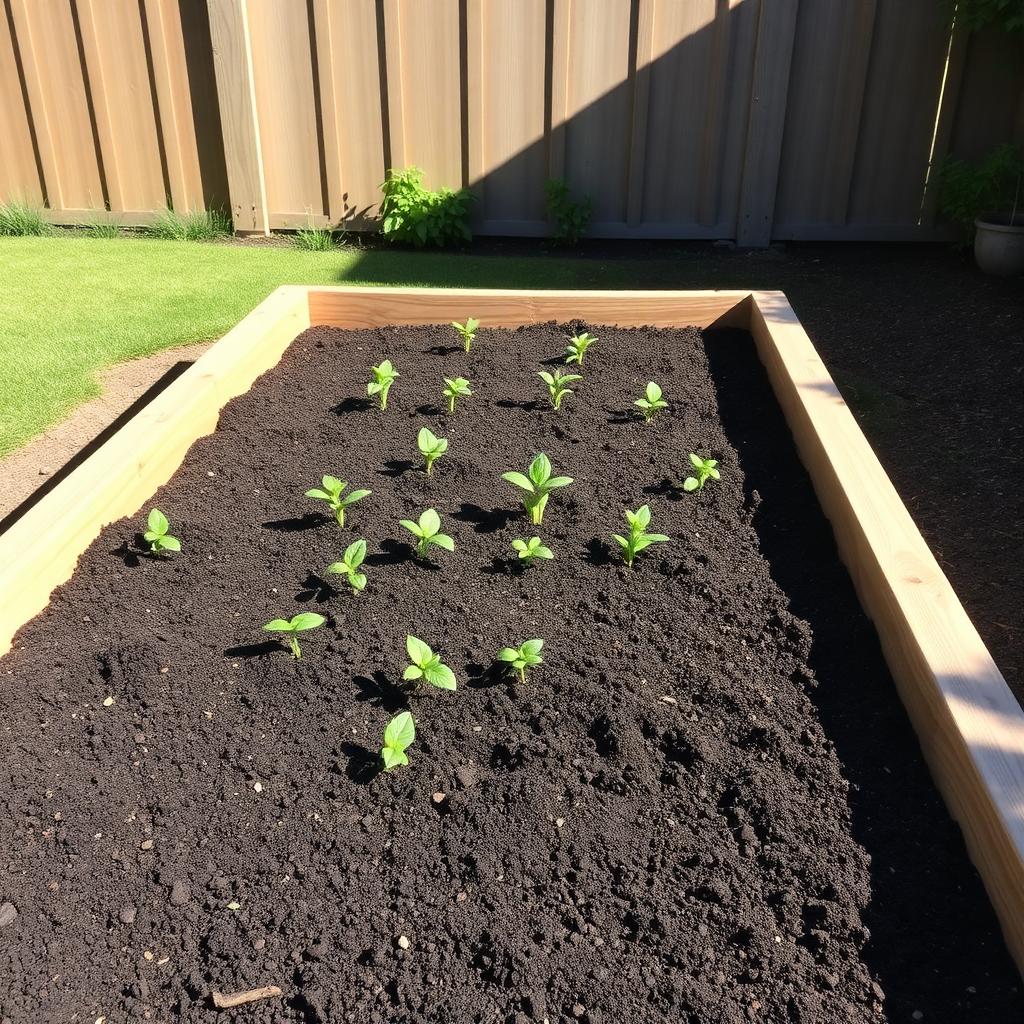
When to Plant Winter Vegetables
The rule of thumb is to count backward from your first average fall frost date. Look up your date, then add the days-to-maturity on the seed packet plus about two extra weeks, because growth slows sharply as daylight drops in fall.
For most of the northern United States that means sowing carrots, beets, and chard by early August, transplanting kale and cabbage by late August, and sowing spinach and radishes through September.
In milder zones 7 through 9, you can keep sowing spinach, lettuce, and Asian greens into October, and garlic goes in around the first frost date itself.
How to Keep Harvesting Through Winter
Mulch is your main tool. A 6 to 12 inch layer of straw or shredded leaves over root crops keeps the ground from freezing solid, so you can still pull carrots in January.
A simple layer of floating row cover adds 2 to 4 degrees of protection for leafy greens, and a cold frame or low tunnel can push that to 8 degrees or more. With a tunnel, spinach and kale keep growing slowly all winter in zone 6.
Water before a hard freeze, not after. Moist soil holds far more heat than dry soil, and hydrated plant cells resist freeze damage better.
Common Mistakes to Avoid
- Planting too late. Fall crops need to be nearly full size before daylight drops below about 10 hours a day, or they stall at baby size.
- Forgetting to water in fall. Cool air fools gardeners into thinking the soil stays moist. Check it weekly.
- Harvesting parsnips and kale too early. Wait for at least one good frost for the best flavor.
- Leaving diseased plants in the bed. Pull spent summer crops and any mildewed foliage before winter, or pests overwinter in the debris.
Best Varieties for Cold Weather
Variety choice matters as much as crop choice. For kale, Winterbor, Red Russian, and Lacinato all handle hard freezes. For spinach, look for Winter Bloomsdale or Giant Winter, both bred specifically for fall sowing and overwintering.
Among carrots, Napoli and Bolero store well in the ground under mulch. For leeks, choose a hardy blue-green type like Bandit or Tadorna rather than the faster summer varieties.
Garlic splits into two families: hardneck types like Music and German Red suit cold climates and produce edible scapes, while softneck types like Inchelium Red braid beautifully and store longest in milder zones.
Frequently Asked Questions
What vegetable grows fastest for a fall garden?
Radishes are the quickest, ready in as little as 25 days. Spinach and baby lettuce follow at 30 to 45 days.
Can I grow winter vegetables in containers?
Yes. Kale, spinach, and lettuce do well in pots. Move containers against a south-facing wall for extra warmth and insulate the pot itself with bubble wrap or burlap.
Do winter vegetables need fertilizer?
Work compost into the bed at planting. Avoid high-nitrogen feeding after early fall, since soft new growth is the first thing frost kills.
What is the easiest winter vegetable for a beginner?
Garlic. Plant cloves in October, mulch them, and do almost nothing until harvest the next summer.
Bottom Line
Pick frost-tolerant crops like kale, cabbage, leeks, carrots, and spinach, plant them late enough to avoid summer heat but early enough to size up before short days, and use mulch or row cover to stretch the harvest. A small fall planting can feed you well past the first snow.