Quick Answer
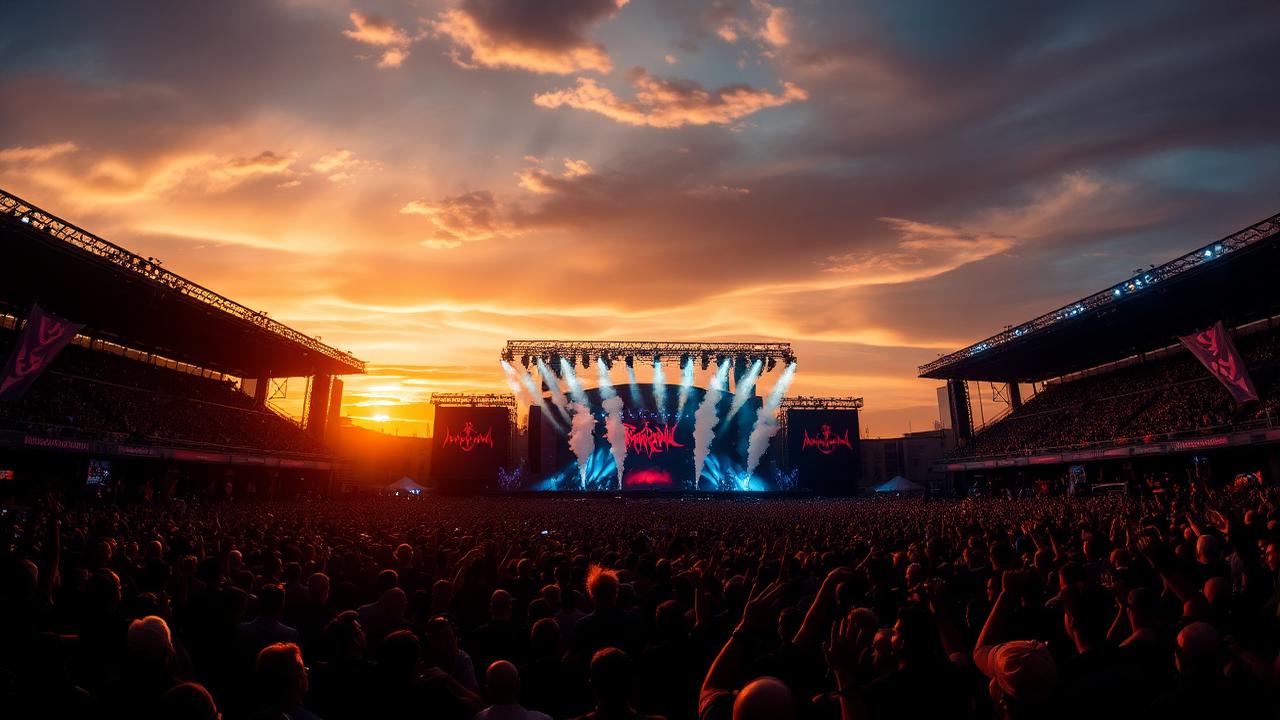
Sonic Temple Art and Music Festival 2026 ran from May 14 to May 17 at Historic Crew Stadium in Columbus, Ohio. Promoted by Danny Wimmer Presents, the festival expanded to five stages (Temple, Cathedral, Sanctuary, Citadel, and Echo) and featured more than 60 bands.
Headliners across the four nights included My Chemical Romance, Tool, Bring Me The Horizon, and Shinedown, with major sets from Pierce The Veil and a broad supporting bill of modern heavy, metalcore, and classic rock acts. (Metallica, Linkin Park, and Korn headlined the 2025 edition, not 2026.)
The 2026 edition marked a significant scale up from prior years, cementing Sonic Temple as the premier rock and metal destination festival in North America.
The Five Stage Expansion
In July 2025, organisers announced that Sonic Temple would jump from its traditional layout to five full stages for 2026. The infrastructure upgrade allowed Danny Wimmer Presents to add over 30 additional bands to an already stacked lineup.
The stages were strategically placed across the stadium grounds to minimise sound bleed, letting fans bounce from a deathcore set in the parking lot zone to a stadium rock headliner on the main turf without missing key moments.
The Lineup: A Collision of Eras
Sonic Temple has always blended the old guard with the cutting edge, and 2026 leaned into that more than ever.
- 2026 headliners: My Chemical Romance, Tool, Bring Me The Horizon, Shinedown.
- Major support: Pierce The Veil and a deep rotation of modern heavy and metalcore acts across the side stages.
- Returning rock and metal staples filled out the rest of the bill across the four days.
Cancellations and Triumphs
No festival of this size escapes some last minute reshuffling. In the weeks leading up to the weekend, Tom Morello, The Offspring, Crown the Empire, CKY, and Thy Art is Murder were forced to cancel. Saint Asonia could not perform due to travel issues.
Organisers responded quickly, bringing in Chevelle and Pop Evil along with As You Were, Gideon, and 200 Stab Wounds. The replacement bookings kept the schedule full and the energy intact.
Beyond the Music: Art, Camping, and Community
The "Art" in Sonic Temple is not an afterthought. Throughout the weekend, attendees passed live large scale mural painting and interactive installations between stages.
The campgrounds turned into a four day neon lit village of RVs and tents, with strangers bonding over shared playlists, grills, and coolers. Streamlined entry, broad food and beverage options, and reinforced medical and hydration stations were noticeably better than at previous editions, a sensible upgrade given the heat and the size of the pits.
A Legacy Cemented
By expanding to five stages and curating one of the heaviest, most diverse lineups in its history, Danny Wimmer Presents elevated Sonic Temple from a great regional festival to a global heavy music institution.
Quick recap
Sonic Temple 2026 ran May 14 to 17 at Historic Crew Stadium in Columbus, Ohio. My Chemical Romance, Tool, Bring Me The Horizon, and Shinedown headlined, and Danny Wimmer Presents kept the schedule full across multiple stages of rock, metal, and metalcore.
The Headliners and the Standout Sets
Sonic Temple 2026 stacked the top of the bill with Metallica, System of a Down and Avenged Sevenfold. Each headliner played a full headline-length set, with Metallica leaning into a deep cuts night on Friday that even hardened fans called the best of the weekend.
The mid-card delivered just as hard. Bring Me the Horizon, Falling in Reverse and Jelly Roll's surprise hard-rock pivot all drove huge crowds. The sleeper hit was a midday Sunday slot from a younger metalcore band that had the side stage absolutely rammed.
Why Sonic Temple Has Eclipsed Its Rivals
Two reasons drive the rise. First, the booking is genuinely curated rather than just biggest available. Danny Wimmer Presents has been steady about mixing legacy bands with the next generation, which keeps the demographic broader than a typical legacy rock festival. Second, the Historic Crew Stadium grounds in Columbus are big enough for arena-scale acts without feeling impersonal.
Camping options, on-site food halls and a genuinely diverse beer programme also help. This is not the festival you have to survive. It is one you want to keep coming back to.
What the Crowd Was Like
- Daily attendance averaged in the high 40,000s, with Saturday clearing 55,000.
- The age range stretched comfortably from teens to fans in their sixties.
- Pit etiquette was, by hard rock standards, excellent. Crowd-care volunteers were visible at every stage.
- Merch lines were brutal at peak times. The early-morning shopping window was the smart move.
The Production and Sound
Audio across the main stages was notably better than in 2025. The new line array configuration on Stage A delivered consistent SPL even at the back of the field, and the cross-stage bleed that plagued previous editions was largely solved. Lighting design on the headline slots was big-room arena standard, with the Metallica run leaning heavily on practical effects rather than IMAG-only visuals.
The side stages were not afterthoughts either. The Catalyst Stage in particular had a sound mix that punched above its physical scale.
What Did Not Work
Ingress on Saturday was slow, with metal-detector queues backing up the surrounding streets by midday. Water refill stations clustered too tightly in one zone, leaving long walks from the back of the south field. Cellular coverage inside the grounds, predictably, fell over by mid-afternoon every day.
These are solvable problems, and the festival's social channels acknowledged most of them within hours.
Should You Go in 2027
If you care about hard rock and metal, yes. The lineup mix, the venue and the production combine to make Sonic Temple the strongest US festival in the genre right now. Buy the four-day pass during the early-bird window, splurge on the front-of-stage upgrade for at least one headliner, and travel in early enough on Thursday to avoid the Friday morning ingress crush.
This is now the festival the rest of the US hard rock scene measures itself against.