Quick Answer
Generally, no. Rinsing cooked pasta is one of the most common kitchen mistakes.
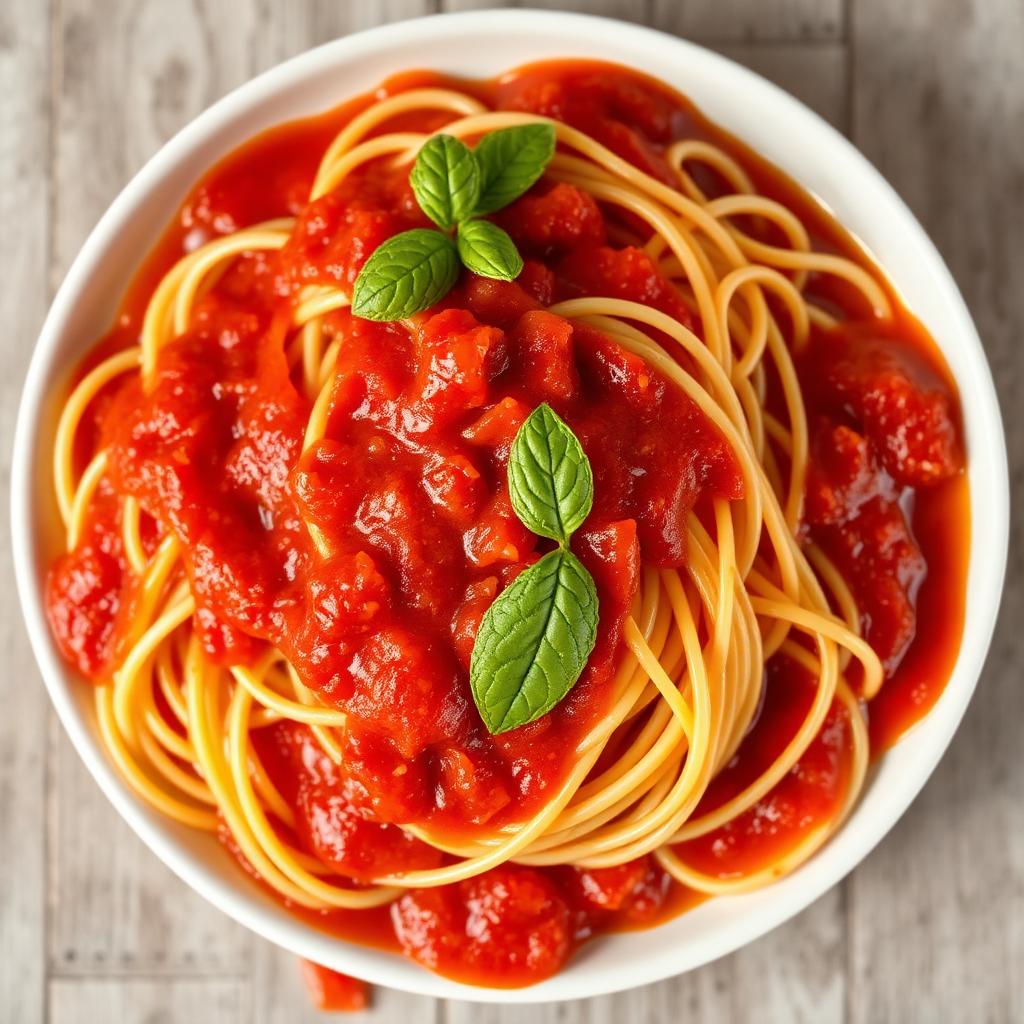
The natural starch left on the surface of just drained pasta is what helps your sauce cling to every strand. Wash it off under the tap and the sauce slides straight to the bottom of the bowl. There are only two cases where rinsing is the right move: cold pasta salad and certain stir fried noodle dishes.
Why You Should Not Rinse Pasta
As pasta boils, it releases starch into the water and a thin layer also stays on the surface of every piece. That starch layer does three useful things:
- It binds sauce to the noodle. Tomato, butter, olive oil and cream sauces all cling far better to starchy pasta than to washed pasta.
- It helps emulsify pan sauces. Combined with a splash of reserved pasta water, the surface starch lets fats and liquids form a glossy coat.
- It keeps the noodles warm. Cold tap water shocks the pasta and chills the dish almost instantly.
Restaurants almost never rinse pasta. They toss it straight from the colander into a hot pan of sauce so the starch goes to work.
When You Should Rinse Pasta
There are exactly two situations where rinsing is the correct move:
- Cold pasta salad. Rinsing under cold water stops the cooking immediately and prevents the noodles from clumping into a single sticky mass as they cool. The vinaigrette or mayo dressing will coat the pasta even without surface starch.
- Stir fried noodles. For dishes like lo mein, pad Thai or yakisoba where noodles cook again in a hot wok with oil, a cold rinse stops them from overcooking in the residual heat and stops them sticking together on the way to the wok.
What to Do Instead of Rinsing
- Boil pasta in well salted water (a generous tablespoon of salt per 4 to 5 litres).
- Before draining, reserve at least one cup of the starchy cooking water.
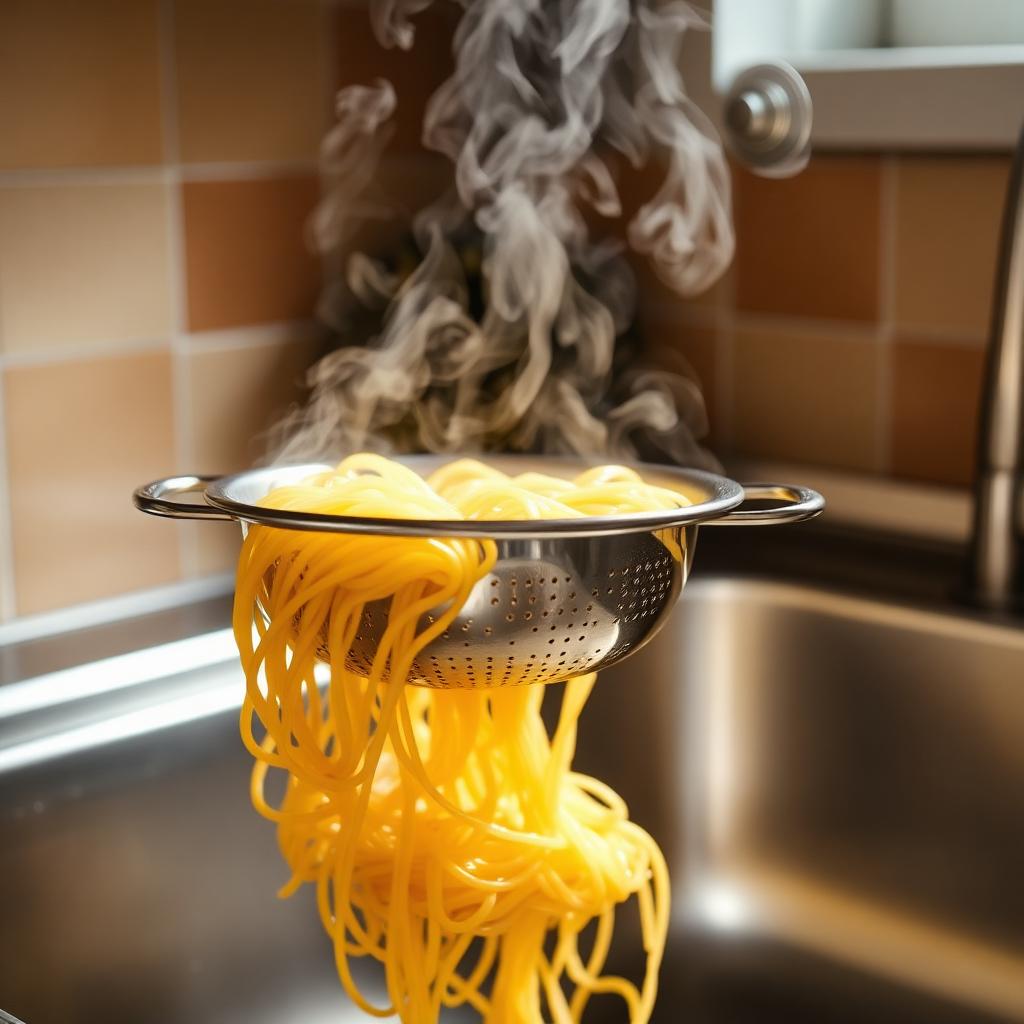
- Drain the pasta in a colander but do not rinse.
- Add the hot pasta directly to the warm sauce in a wide pan.
- Toss for 30 to 60 seconds, adding splashes of the reserved water as needed until the sauce glosses up.
Common Myths About Rinsing Pasta
- "Rinsing removes calories." It does not. The starch is locked inside the noodle, not just on the surface.
- "Rinsing stops sticking." Cooking in plenty of water with frequent stirring stops sticking. Rinsing just removes the starch that would help sauce hold on later.
- "Italian grandmothers rinse pasta." They almost never do, except for cold summer pasta salads.
Bottom Line
Do not rinse cooked pasta as a default. Drain it, save some of the cooking water, and toss it straight into the sauce. The only times to rinse are when the pasta is heading into a cold salad or about to be cooked again in a hot wok. Everywhere else, the starch on the surface is doing exactly the job you want.
Should Pasta Be Rinsed After Cooking: Common Reader Questions
Should pasta be rinsed after cooking for mac and cheese?
No. Drain the pasta and add it straight to the cheese sauce. The starch helps the sauce cling and gives the dish that classic glossy coat.
Should pasta be rinsed after cooking for lasagne?
No. The sheets need the surface starch to bind to the ricotta and bechamel layers. Just drain them well and lay them flat with a little oil so they do not stick.
Should pasta be rinsed after cooking for a creamy sauce?
Definitely not. Cream sauces depend on starch for body. Rinsed pasta turns a creamy sauce thin and slippery.
Should pasta be rinsed after cooking with cold water for kids?
Only if you are making a cold pasta salad or you genuinely need to cool the pasta down fast. For a normal hot meal, do not rinse, just temper portions with a little extra sauce or a touch of butter.
Should pasta be rinsed after cooking before freezing?
A short cool rinse can help if you are batch cooking pasta to freeze plain, because it stops the cooking and prevents clumping. Toss with a little oil before freezing and add the sauce on reheat.
Does rinsing pasta remove gluten?
Rinsing removes a small amount of surface starch, but it does not meaningfully remove gluten. For genuinely gluten free meals you need gluten free pasta.
Final Word on Whether Pasta Should Be Rinsed After Cooking
Do not rinse pasta after cooking unless you are making cold pasta salad or stir fried noodles. Drain the pasta, save a cup of the starchy cooking water, toss the pasta straight into the warm sauce and add the reserved water in small splashes until the sauce glosses up. That single change makes home pasta taste noticeably more like restaurant pasta. Rinsing washes off the very thing that makes a great pasta dish work in the first place.