Quick Answer
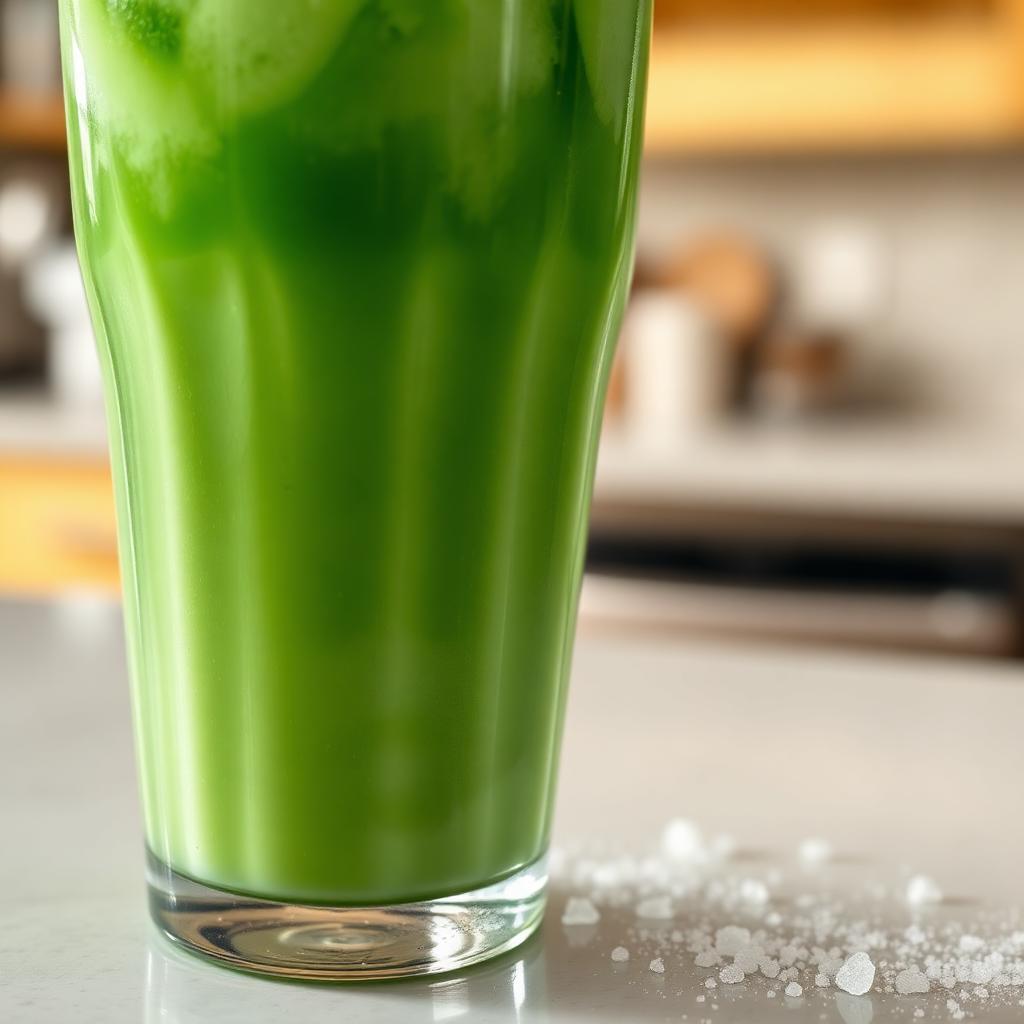
Yes, Starbucks matcha is pre-sweetened. The green powder scooped into every matcha drink is a factory-blended mix of matcha and sugar. You cannot order an unsweetened matcha at Starbucks, the sugar is built into the powder before it reaches the store.
A Grande Matcha Latte with 2 percent milk delivers about 240 kcal and 32 g of sugar. Iced Venti with dairy can hit 43 g.
What is actually in the Starbucks matcha powder
The canister behind the bar labeled "matcha" is not pure ceremonial matcha. It is a compound blend, and per the Starbucks ingredient panel it contains:
- Sugar (listed first, so it is the largest ingredient by weight)
- Ground Japanese green tea
That is it, two ingredients. The 50/50 sugar-to-tea ratio has been public knowledge since Starbucks published the ingredient list. Because the sugar is physically mixed into the tea powder at the manufacturing facility, no barista in any US store can separate them.
Sugar totals by size and format
| Drink | Size | Calories (with 2%) | Sugar |
|---|---|---|---|
| Matcha Green Tea Latte (hot) | Tall | 170 | 22 g |
| Matcha Green Tea Latte (hot) | Grande | 240 | 32 g |
| Matcha Green Tea Latte (hot) | Venti | 320 | 43 g |
| Iced Matcha Latte | Grande | 200 | 28 g |
| Iced Matcha Latte | Venti | 290 | 40 g |
| Matcha Cream Frappuccino | Grande | 420 | 60 g |
For context, the American Heart Association recommends women stay under 25 g of added sugar per day and men under 36 g. A single Grande hot Matcha Latte at 32 g uses your entire daily budget on one drink.
Why the drink is so sweet
Pure matcha is intensely bitter and vegetal. Most Western consumers reject it in that raw state, so Starbucks blends sugar directly into the powder to make the mainstream product palatable. Convenient for volume, terrible if you thought you were drinking a health beverage.
Can you make it less sweet
You cannot remove the sugar already inside the powder, but you can reduce the amount of powder used or dilute it. Real-world options:
- Ask for fewer scoops. The barista scoops the powder into the pitcher before steaming. Ask for "half scoops" (e.g., 1 scoop instead of 3 in a Grande). Cuts sugar roughly in half.
- Swap milk for water. A "matcha water" build cuts about 100 kcal but does nothing for the powder's sugar.
- Switch milks. Almondmilk saves about 70 kcal per Grande but the sugar in the powder stays.
- Skip the extra sweetener. Some baristas add classic syrup on top; ask them to stop.
How this compares to other cafes
Not all cafes pre-sweeten their matcha. If you want unsweetened matcha, order it at:
- A dedicated matcha bar or third-wave coffee shop that whisks pure ceremonial matcha with water and lets you add sweetener separately.
- Make it at home. Buy a tin of culinary-grade matcha, whisk 1 tsp with 2 oz hot water, then top with your milk of choice. Total sugar with unsweetened almondmilk: 0 g.
The health tradeoff
Matcha itself is genuinely healthy: rich in L-theanine, catechins (including EGCG), and delivers about 70 mg of caffeine per Grande. Those benefits are still there in the Starbucks version. The problem is that the sugar load turns what could be a low-glycemic beverage into something metabolically closer to a Coke. A can of Coke has 39 g of sugar; a Grande Matcha Latte has 32.
Frequently asked follow-ups
Is there a sugar-free matcha option?
No. Every matcha drink at Starbucks uses the pre-sweetened powder.
Does Starbucks matcha have real matcha?
Yes, it contains ground Japanese green tea, just blended with sugar. The tea itself is real.
Is Iced Matcha lower in sugar than hot?
Slightly, because iced drinks use less powder per ounce of liquid. About 4 g less sugar per Grande.
Can I bring my own unsweetened matcha powder?
Some baristas will accommodate this if you bring the powder and ask for milk steamed. It is a case-by-case courtesy, not a menu right.
Why the "matcha is healthy" framing is misleading here
Matcha itself carries real research-backed benefits: EGCG catechins, L-theanine for smooth focus, moderate caffeine that lasts longer than coffee's peak-and-crash. Those benefits are intact in the Starbucks version. The issue is that the drink is engineered for volume flavor appeal, not for antioxidant delivery. When you take something health-adjacent and add 32 g of sugar, you cancel most of the metabolic upside.
The realistic path if you want the ceremonial experience
Buy 30 g of decent culinary or ceremonial matcha (Ippodo, Encha, Rishi) for $15-30. Whisk 1 g of powder with 60 ml of 160 F water using a bamboo chasen or a small electric frother. Top with 6 oz of steamed oatmilk or 2 percent. Total sugar with unsweetened oatmilk: 4 g. Caffeine: ~50 mg. Cost per cup: about $0.50. That is the version of matcha the health blogs are actually describing.
Bottom line
Yes, Starbucks matcha is sweetened, heavily. The green powder is a 50/50 sugar-and-tea blend from the factory, and a Grande Matcha Latte carries 32 g of added sugar. You cannot order it truly unsweetened. If you want pure matcha without sugar, order fewer scoops, dilute with water, or make it at home.