Quick Answer
Wondering how much caffeine is in a Starbucks bottled Frappuccino from the grocery store cooler? Here is the short version below.
A standard 13.7 oz Starbucks bottled Frappuccino has about 90 mg of caffeine for the Vanilla and Caramel flavors, and closer to 110 mg for the Mocha and Coffee flavors. That is roughly the same as a cup of home-brewed drip coffee, or one and a quarter shots of espresso.
The bigger nutritional story is sugar: each bottle carries about 46 g of sugar and 290 calories, so treat it as a dessert drink rather than a workout fuel.
The grocery bottle is not a cafe drink
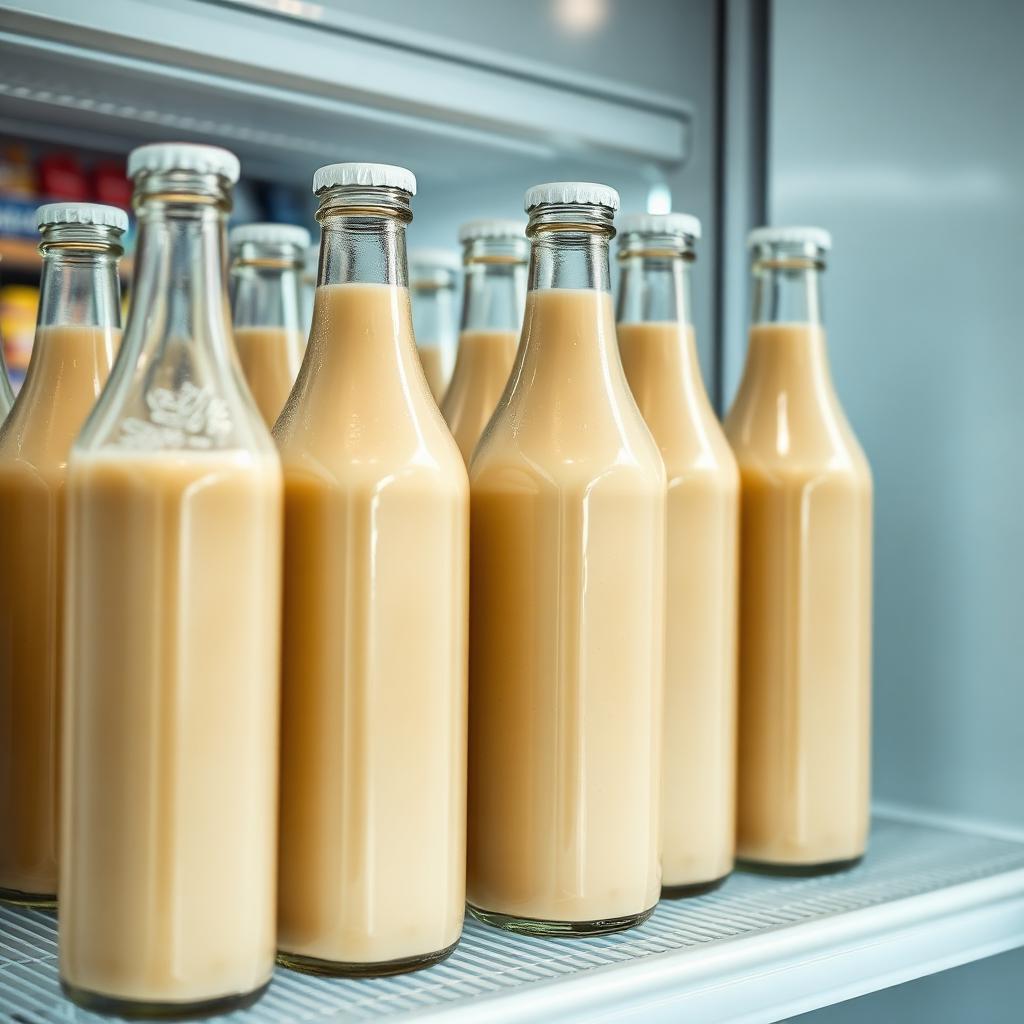
The bottled Frappuccino in the refrigerated aisle is made by PepsiCo under license from Starbucks, not built fresh by a barista. It has to be shelf-stable for months, so the ingredients differ:
- Reduced-fat milk (skimmed and homogenized so it will not separate)
- Sugar and high-fructose sweeteners
- Brewed coffee concentrate (instant-style, not espresso)
- Cocoa, natural flavors, and stabilizers (pectin, carrageenan)
Cafe Frappuccinos use ice, whole milk or non-dairy milk, and Frappuccino Roast coffee (a concentrated cold-brew blend). Grocery bottles use a shelf-stable coffee reduction. The result is a less complex flavor and a moderate, predictable caffeine load.
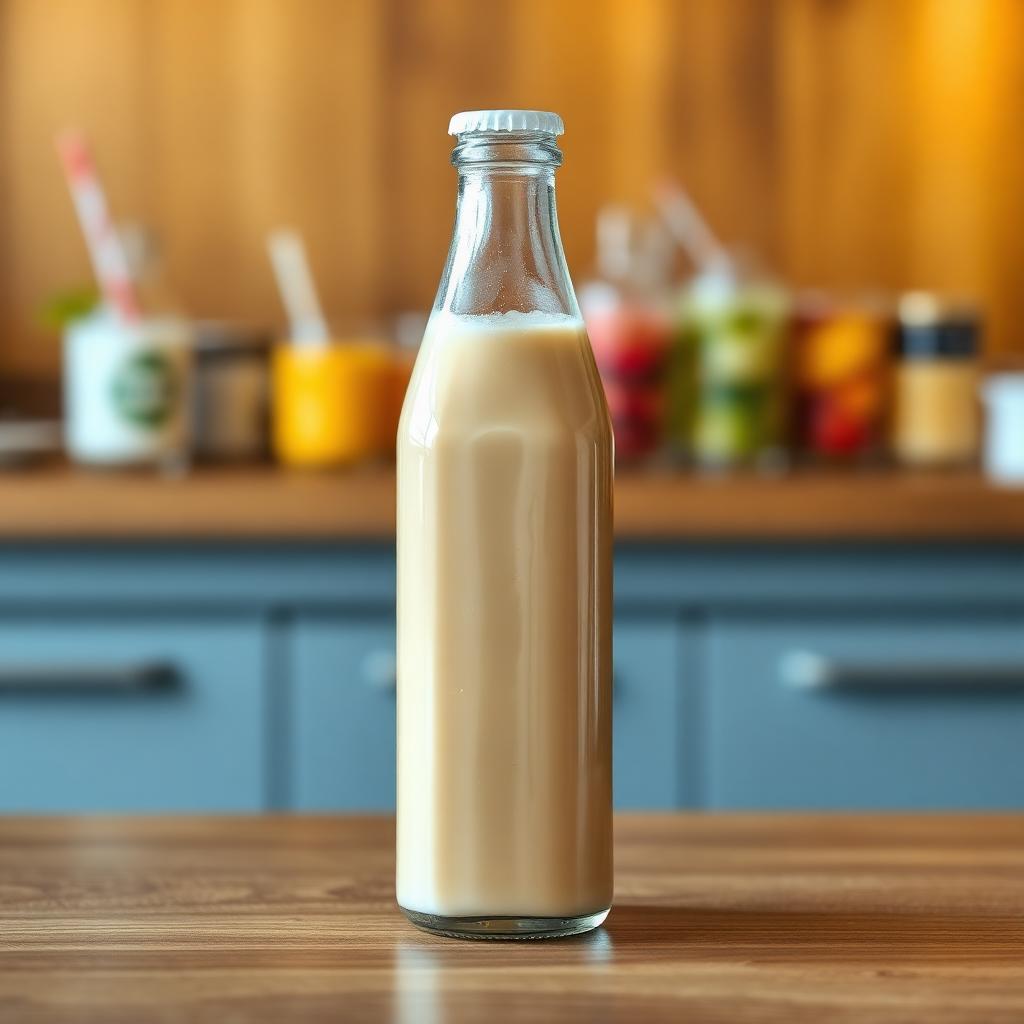
Bottled Frappuccino caffeine by flavor (13.7 oz glass bottle)
| Flavor | Caffeine | Calories | Sugar |
|---|---|---|---|
| Coffee | ~110 mg | 290 | 45 g |
| Mocha | ~110 mg | 290 | 47 g |
| Vanilla | ~90 mg | 290 | 46 g |
| Caramel | ~90 mg | 290 | 46 g |
| Mocha Lite | ~110 mg | 140 | 21 g |
| Vanilla Lite | ~90 mg | 140 | 19 g |
Actual numbers vary slightly by production batch and region, but 90 to 110 mg is the reliable range. Always read the label on your specific bottle if you are tracking caffeine tightly.
How that compares
- Cafe Grande hot latte (2 shots): 150 mg
- Cafe Grande Coffee Frappuccino: ~95 mg
- Bottled Frappuccino 13.7 oz: 90-110 mg
- 8.4 oz Red Bull: 80 mg
- 12 oz Coca-Cola: 34 mg
- Home-brewed 8 oz drip coffee: ~95 mg
So a bottled Frappuccino is a moderate stimulant. It will lift a mid-afternoon slump but will not carry you through an all-nighter.
The sugar problem
Here is where the bottled version stings. A standard 13.7 oz bottle packs about 46 g of sugar (roughly 11 teaspoons). That is more sugar than a can of Coke (39 g) and about 92% of the American Heart Association daily sugar ceiling for women (25 g) blown past in one bottle.
You are trading a moderate 90-110 mg caffeine hit for a significant sugar spike. For a diabetic, prediabetic, or anyone watching insulin, this is not a smart pre-work drink. The Lite versions cut both sugar and calories roughly in half.
Bottled vs. cafe Frappuccino
| Metric | Bottled 13.7 oz | Cafe Grande 16 oz Coffee Frap |
|---|---|---|
| Caffeine | 90-110 mg | ~95 mg |
| Calories | 290 | 230 |
| Sugar | 46 g | 39 g |
| Milk fat | Reduced-fat | Choose whole, 2%, or non-dairy |
| Ice | None | Yes (blended) |
The cafe version is slightly leaner on both calories and sugar because of the ice dilution. The bottled version wins on convenience and predictable caffeine.
Frequently asked follow-ups
Is bottled Frappuccino real coffee?
Yes. The caffeine comes from brewed coffee concentrate, not synthetic caffeine.
Do the Lite versions have less caffeine?
No. The Lite versions cut sugar and calories but the coffee reduction is unchanged, so caffeine stays around 90 to 110 mg.
How does the 15 oz XL bottle differ?
Slightly more of everything: ~110-130 mg caffeine, ~320 kcal, ~51 g sugar. Not sold in every market.
Are bottled Frappuccinos safe during pregnancy?
Caffeine-wise, one bottle at 90 to 110 mg is well inside the 200 mg ACOG daily limit. Sugar-wise, they are a heavy load, so keep them occasional.
How much caffeine Starbucks bottled Frappuccino has compared to canned coffee
The bottled Frappuccino market is crowded. Starbucks Doubleshot Espresso cans (6.5 oz) run around 120 mg, La Colombe Draft Latte (9 oz) around 120 mg, Chameleon Cold Brew (10 oz) around 140 to 160 mg, and Monster Java (15 oz) around 200 mg. The 90 to 110 mg in a 13.7 oz bottled Frappuccino is on the lower end for a ready-to-drink coffee, but the sugar and calories are on the higher end.
Storage and shelf life
Unopened bottles are shelf-stable for 6 to 9 months at room temperature. Once opened, drink within 24 hours refrigerated. The caffeine does not degrade at those timescales, but the coffee flavor oxidizes and turns dull after a few hours in the fridge.
Bottom line, rewritten
How much caffeine is in a Starbucks bottled Frappuccino from the grocery store? About 90 mg for a 13.7 oz Vanilla or Caramel bottle, and roughly 110 mg for the Coffee or Mocha flavors. Convenient and moderate, but the 46 g sugar load per bottle is the number to watch, not the caffeine.
Bottom line
A grocery-store 13.7 oz bottled Starbucks Frappuccino has about 90 mg of caffeine for the Vanilla and Caramel flavors, and about 110 mg for Coffee and Mocha. Convenient and moderate on caffeine, heavy on sugar. If you like the taste but want a better nutritional profile, grab the Lite version, or brew a home coffee and get roughly the same caffeine with none of the added sugar.