Quick Answer
Marks and Spencer is in the middle of one of the most aggressive grocery expansions in its history. Through 2026 the retailer is pivoting away from full line department stores and pouring capital into standalone Foodhalls, refreshed retail park sites, and high footfall transit locations. The strategy is anchored in premium fresh food, partnerships with delivery platforms, and AI driven inventory.
The pivot is paying off. Fresh food now accounts for roughly 38 percent of global grocery retail share according to recent McKinsey and Persistence Market Research data, and M&S premium positioning lets it capture a disproportionate slice of that growth in the UK.
Why M&S Is Doubling Down on Food
For decades, M&S was best known as a clothing and home retailer with a particularly good food hall attached. Over the last five years that balance has flipped. Food has become the engine of the business, with consistent double digit growth while general merchandise has had a more challenging time on the high street.
Several structural shifts in UK retail are driving the food first strategy:
- Consumers are trading up on food even while trading down on clothing and homewares.
- Premium ready meals and dine in occasions have become a mainstream weekly habit.
- The decline of traditional department stores is accelerating, while convenience focused formats are growing.
- The Ocado Retail joint venture has expanded M&S digital reach into millions of households without the cost of running its own delivery fleet.
Capitalising on the Fresh Food Boom
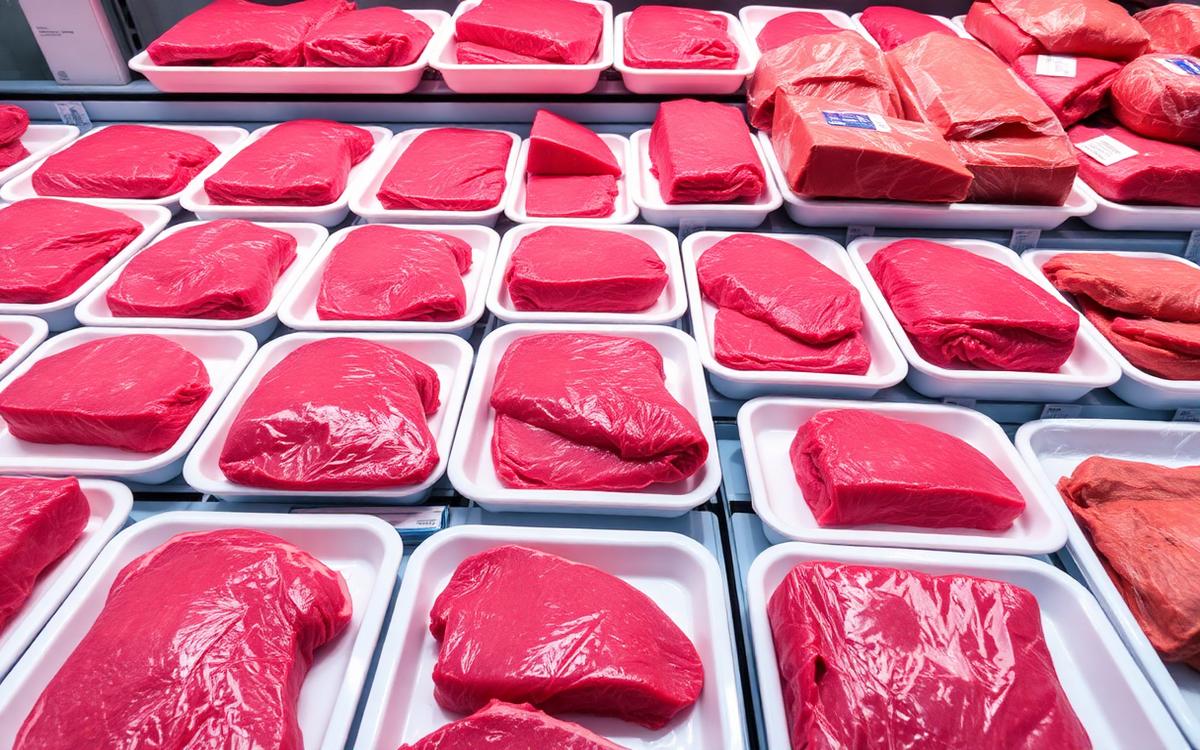
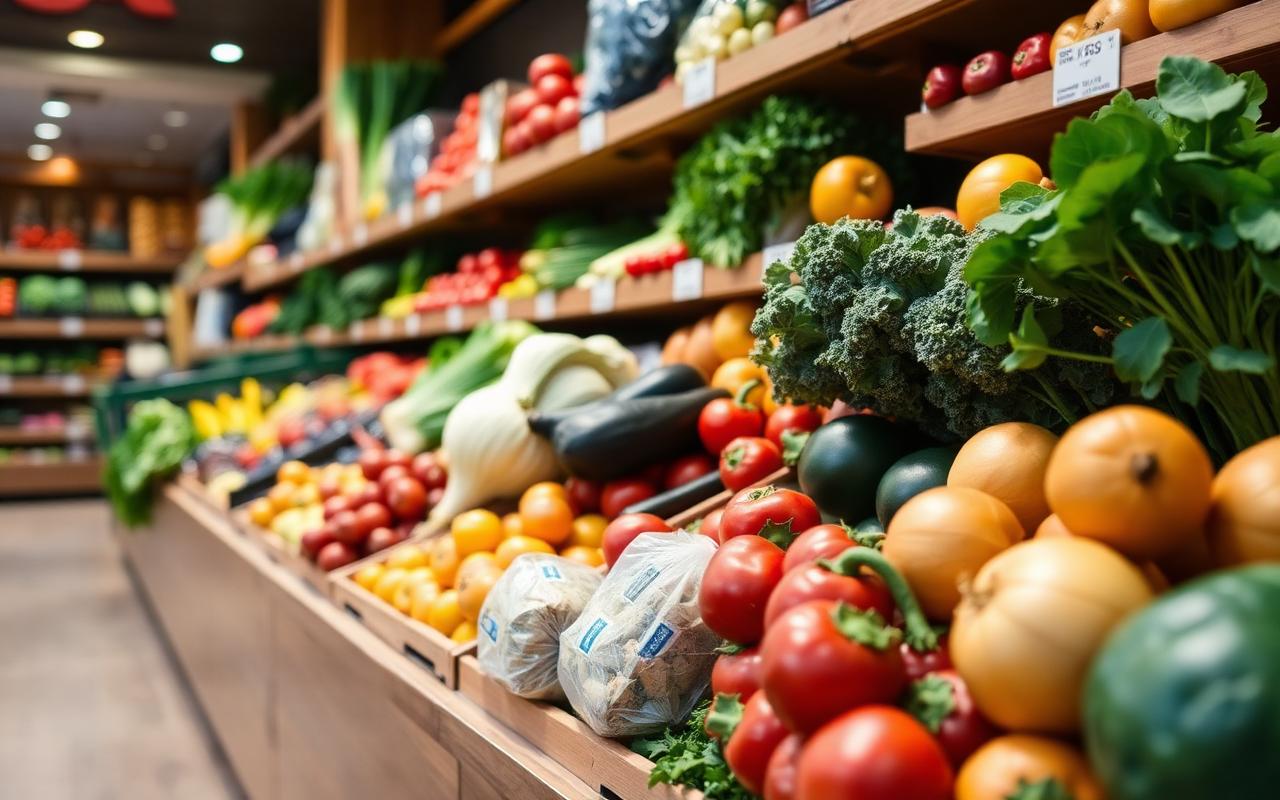
Recent reports highlight that fresh food (produce, meat, fish, dairy, and bakery) accounts for close to 38 percent of global grocery retail value. M&S is leaning into that mix harder than almost any other major UK grocer.
The brand is doubling down in three specific areas:
- High quality produce. Long term supply deals with British farmers and growers are being expanded, with traceability and sustainability claims front and centre on packaging.
- Ready to eat innovations. Dine In For 2 promotions, premium pizzas, and chef inspired ready meals are being refreshed monthly to keep urban, time pressed customers loyal.
- Premium own label. The Collection and Made Without ranges position M&S as a destination for quality conscious shoppers willing to pay more for taste and trust.
Strategic Store Placements
The store estate is being reshaped to follow shopper behaviour rather than legacy high street footprints. The retailer is closing under performing full line stores and opening larger standalone Foodhalls in higher footfall locations.
| M&S 2026 Strategy | Focus Area |
|---|---|
| Store formats | Larger standalone Foodhalls with expanded fresh and chilled sections |
| Locations | Retail parks, transit hubs, and affluent commuter towns |
| Digital integration | Click and collect lockers and AI led inventory forecasting |
| Partnerships | Deeper ties with Ocado and on demand delivery platforms |
The Digital and Delivery Engine
The M&S relationship with Ocado Retail has transformed its addressable market. Millions of UK households can now order a weekly shop online without needing to live near a Foodhall. On top of that, smaller basket convenience missions are being served through partnerships with on demand platforms, opening up impulse and same day delivery occasions.
Behind the scenes, AI led forecasting is reducing waste in fresh categories, a critical lever for both margin and sustainability targets. Better demand prediction means fewer half empty shelves on a Saturday morning and fewer markdowns on a Sunday evening.
What This Means for Competitors
The M&S grocery expansion is putting real pressure on the wider UK supermarket sector. Waitrose is the most directly affected, with M&S aggressively targeting its premium fresh and ready meal customers. Tesco Finest and Sainsbury Taste the Difference ranges have responded with more frequent product launches and sharper price architecture.
Discounters Aldi and Lidl, by contrast, continue to dominate the value end of the market. The result is a barbell shaped UK grocery sector, with premium and discount growing while the traditional mid tier squeezes harder for share.
Risks to the Strategy
The expansion is not without challenges. Fresh food is the most operationally complex part of grocery, with thin margins, short shelf lives, and exposure to weather and supply chain shocks. M&S will need to keep investing in cold chain infrastructure, supplier relationships, and store level execution to maintain the quality reputation that underpins the premium price.
Frequently Asked Questions
How many Foodhalls is M&S opening?
The retailer has signalled dozens of new Foodhall sites over the multi year plan, replacing many full line stores.
Is M&S food delivery available everywhere?
Most UK households can shop M&S food through Ocado, with selected products also available via on demand platforms.
Is M&S becoming more expensive?
The brand sits at the premium end and has invested in selected price cuts on everyday essentials to remain competitive.
Is M&S still expanding clothing and home?
Clothing and home remain part of the business, but food is the primary growth engine for 2026.