Quick Answer
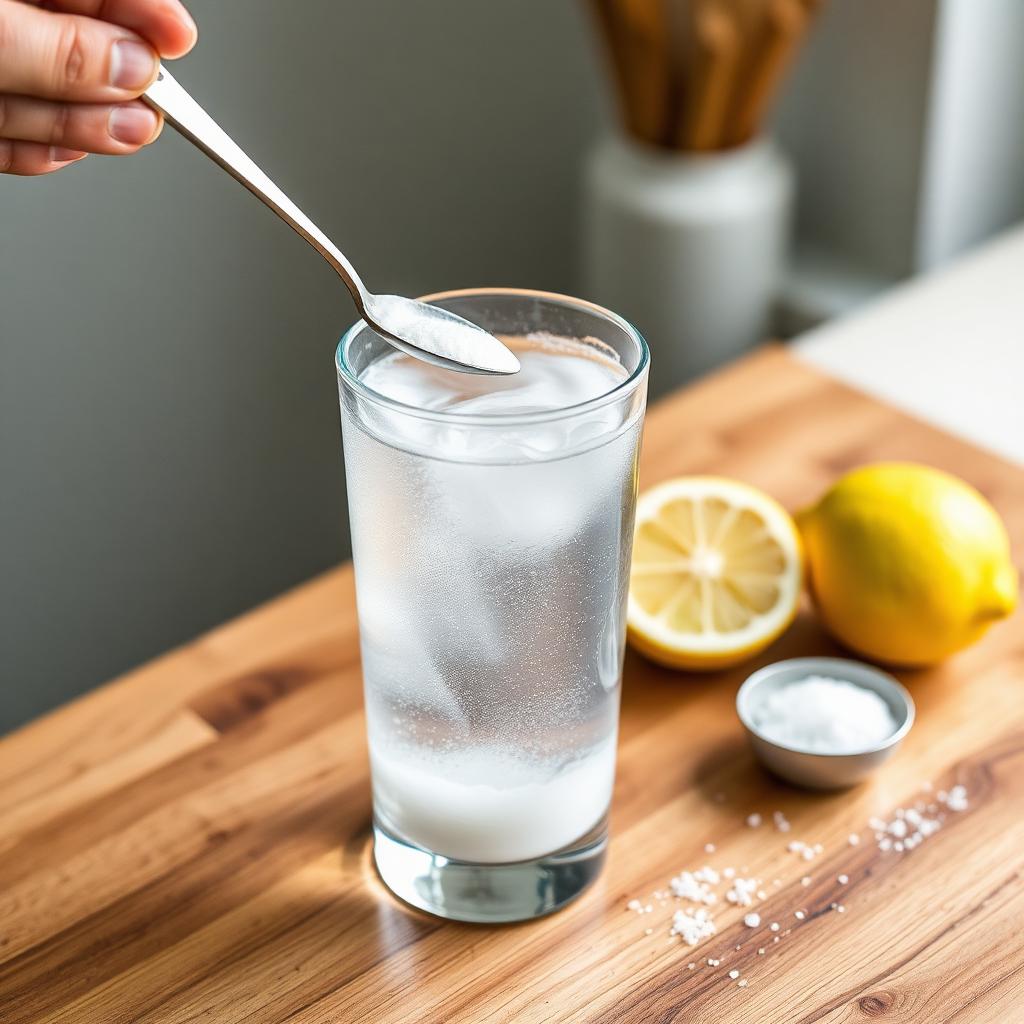
For one liter of homemade electrolyte drink, combine 1 liter cool water, 1/4 teaspoon fine sea salt (about 575 mg sodium), 2 tablespoons fresh lemon or lime juice, and 1 to 2 tablespoons honey or maple syrup. Stir until the salt dissolves.
For more potassium, add 1/4 cup coconut water. For magnesium, add a pinch of magnesium glycinate powder or a quarter teaspoon of cream of tartar.
Why DIY Beats Store-Bought Sometimes
You control the sodium, sugar and flavor. A homemade liter costs pennies. There are no artificial colors or sweeteners. The drink also matches the WHO oral rehydration formula closely, which has saved millions of lives in dehydration treatment for decades.
The Base Recipe
- 1 liter (about 4 cups) cool water
- 1/4 teaspoon fine sea salt
- 2 tablespoons fresh lemon or lime juice
- 1 to 2 tablespoons honey or maple syrup
- Optional pinch of baking soda if you have an upset stomach
Stir or shake until the salt and sweetener fully dissolve. Refrigerate and drink throughout the day or during a workout.
What Each Ingredient Does
- Salt supplies sodium and chloride, the two electrolytes lost most in sweat.
- Citrus juice adds potassium, vitamin C and the flavor that masks salt.
- Sweetener provides glucose, which speeds sodium and water absorption in the small intestine.
- Coconut water (optional swap for half the water) adds potassium.
- Baking soda is alkaline and can settle nausea.
Adjusting for Your Use Case
For hot-weather endurance: Double the salt to 1/2 teaspoon. American College of Sports Medicine recommends 500 to 1000 mg sodium per liter for heavy sweaters.
For sick-day rehydration: Follow the WHO recipe of 1 liter water, 6 teaspoons sugar, 1/2 teaspoon salt. Sip slowly over hours.
For low-carb diets: Skip the sweetener and use a few drops of liquid stevia.
For kids: Use less salt (1/8 teaspoon) and prefer Pedialyte for serious illness, per AAP guidance.
What Not to Do
- Do not use Himalayan pink salt as your only mineral source. The mineral content beyond sodium and chloride is negligible.
- Do not dump in a multivitamin and call it "complete". Vitamins do not equal electrolytes.
- Do not over-salt. More than 1 teaspoon per liter tastes like seawater and irritates the stomach.
- Do not store for more than 48 hours in the fridge. Citrus oxidizes and the drink turns flat.
Comparing to Sports Drinks
A 20 oz Gatorade Thirst Quencher carries 270 mg sodium, 75 mg potassium and 34 g sugar. The base homemade recipe in one liter carries about 575 mg sodium, 100 to 200 mg potassium and 10 to 20 g sugar. The homemade version is closer to what the body actually needs during exercise.
Safety Notes
People on sodium-restricted diets (heart failure, kidney disease, certain blood pressure conditions) should ask a clinician before drinking added-salt beverages. Severe diarrhea or vomiting in children needs medical evaluation, not DIY mixes.
Bottom Line
Water, salt, citrus and a touch of sweetener is the entire formula. Five minutes, no packets, no plastic and you walk away with a drink that holds up against commercial brands at a fraction of the cost.
Common Questions About Homemade Electrolyte Drinks
Can I use sea salt instead of table salt?
Yes. The sodium content is roughly the same per teaspoon. Coarse sea salt may need to dissolve in a small amount of warm water first.
Will fruit juice work as the base?
A 50/50 mix of water and orange juice is a classic athlete drink. It adds natural sugars, potassium and vitamin C. Calories are higher than the basic recipe.
Can I use this for hangovers?
Yes. Alcohol depletes both water and electrolytes. Sip a liter over the morning rather than chugging it all at once.
Is it safe for kids?
A diluted version with half the salt is fine for older children. For young children with serious dehydration, follow AAP guidance and use Pedialyte or an oral rehydration solution.
Batch Brewing for the Week
Prep a 2-liter pitcher on Sunday with 1/2 teaspoon salt, 1/4 cup lemon juice and 2 tablespoons honey. Refrigerate and use throughout the week as your default workout or hot weather drink. The base lasts up to 48 hours before the citrus starts to oxidize, so 1 liter at a time is the sweet spot for taste. Add fresh mint, sliced cucumber or a splash of tart cherry juice to vary the flavor profile. Total cost per liter: under 50 cents. Compare with the $2 to $4 retail equivalent and the savings add up quickly.
The Difference Between Hydration and Rehydration
Daily hydration is about steady fluid intake throughout the day from water and food. Rehydration is the process of replacing fluids and electrolytes that have already been lost. The homemade recipe above shines for rehydration after exercise, illness or heat exposure. For routine daily hydration, plain water still wins. Reaching for an electrolyte drink every hour at a desk job is unnecessary and the extra sodium adds up faster than most people realize. Save the homemade pitcher for the days you actually sweat.
To make a homemade electrolyte drink that beats store-bought brands, focus on sodium first, then citrus, then sweetness.