Quick Answer
Buy a pound or two of beef suet from a butcher, chop or grind it small, then melt it in a heavy pot or slow cooker on the lowest setting for three to six hours. Strain the clear liquid through cheesecloth into clean jars. That liquid is tallow.
It will solidify into a creamy white block within a few hours at room temperature and keep for up to a year in the fridge.
Suet vs Trim Fat
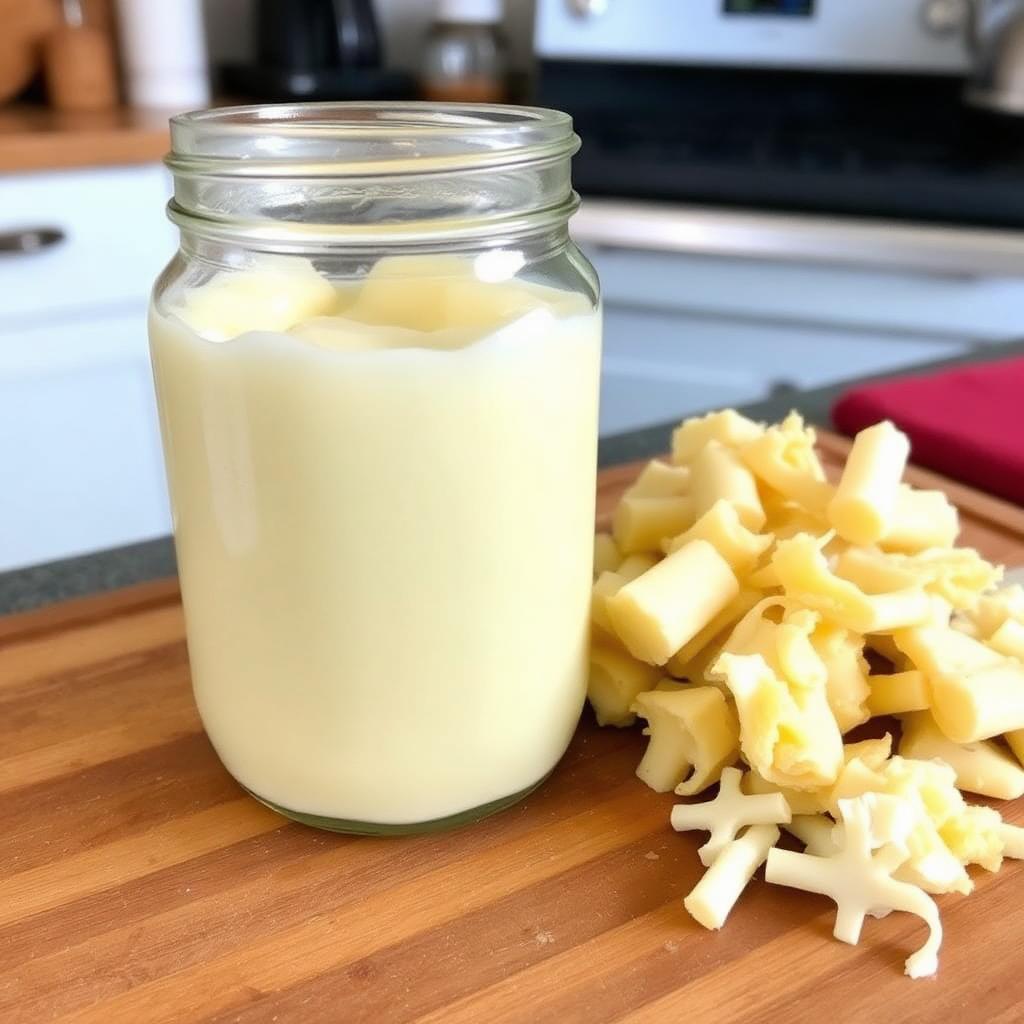
Suet is the hard fat that surrounds the kidneys. It renders cleanest and has the mildest beefy flavor. Trim fat from steaks and roasts works but gives a stronger taste and more cracklings. Ask the butcher counter for "leaf fat" or "kidney suet". Grass-fed sources cost more but are not nutritionally transformative.
Equipment You Need
- A heavy pot, slow cooker or Dutch oven
- A sharp knife or food processor for chopping
- A fine mesh strainer and a square of cheesecloth or a clean cotton T-shirt
- Clean glass jars with lids
- A digital thermometer if you want to be precise
Step-by-Step Method
1. Prep the fat. Trim any meat or connective tissue. Cut the suet into half-inch cubes, or pulse it cold in a food processor until it looks like coarse breadcrumbs. Smaller pieces render faster.
2. Start low. Add the fat to your pot with a quarter cup of water. The water keeps the bottom from scorching and evaporates off in the first hour. Set the stove to low or the slow cooker to low.
3. Render slowly. Over the next three to six hours the fat will melt, the solids (cracklings) will brown and sink. Stir every 30 minutes. Keep the temperature under 250 F. High heat scorches the cracklings and ruins the flavor.
4. Strain twice. When the cracklings are golden and the liquid is clear, strain through a fine mesh strainer into a bowl. Then strain again through cheesecloth into your final jars. Two passes give you snow white tallow once it sets.
5. Cool and store. Let the jars cool to room temperature with lids off, then seal and refrigerate. Tallow stays good in the fridge for up to a year and in the freezer indefinitely.
Wet vs Dry Rendering
The water start above is the "wet" method. The "dry" method skips water and melts the fat straight in the pot. Dry is faster but easier to scorch. New renderers should stick with wet.
Common Mistakes
- Too high a heat. If you smell strong beef instead of clean fat, lower the temperature.
- Skipping the second strain. One pass leaves a faint cloudiness.
- Sealing while hot. Trapped steam can spoil the seal.
- Storing in plastic. Glass jars are easier to clean and do not absorb odor.
What to Do With the Cracklings
Drain the cracklings on paper towels, salt them, and eat them like pork rinds. Or fold them into cornbread or biscuit dough for a savory hit.
Safety Notes
Tallow is a high-fat product. USDA FSIS classifies pure rendered fat as shelf stable, which is why grandmothers kept it in counter crocks for weeks. For longer storage and modern food safety, refrigerate. Throw away any jar that smells rancid, looks darkened or has visible mold.
Bottom Line
Home rendering is patient work, not skilled work. A clean knife, a low burner and a strainer are all you need. Two pounds of suet, three hours, and you walk away with shelf-stable tallow that costs a fraction of the boutique jars selling online.
Common Questions About Home Rendering
Can I use a slow cooker overnight?
Yes. Set it to low, leave the lid cracked to let moisture escape, and check after 8 hours. The result is the cleanest tallow because the temperature never climbs too high.
What if my tallow has a strong beefy smell?
That means the temperature climbed too high or the suet had meat scraps attached. Filter twice, store in a small jar, and use for savory dishes where the flavor is welcome.
Can I render fat from a roast?
Yes. Trim and chop the cap fat, then render the same way as suet. The yield is lower per pound but the technique is identical.
How do I know when rendering is done?
The cracklings (solid bits) sink to the bottom and turn golden brown. The liquid above runs clear instead of cloudy.
Storage and Shelf Life Beyond the Fridge
Pure rendered tallow has been used as a shelf-stable pantry fat for centuries because the high saturation resists oxidation. Modern food safety guidance is more cautious: keep tallow refrigerated for up to a year, or freeze indefinitely. If you do leave a jar in a cool pantry, use within six weeks, store away from light and heat, and toss if you ever smell rancid notes. Vacuum sealed glass jars store longest. The same suet that yields six months of cooking fat for a household can come from a single butcher visit for under $20.
Learning to make beef tallow at home pays back quickly: one butcher visit yields months of cooking fat.