Quick Answer
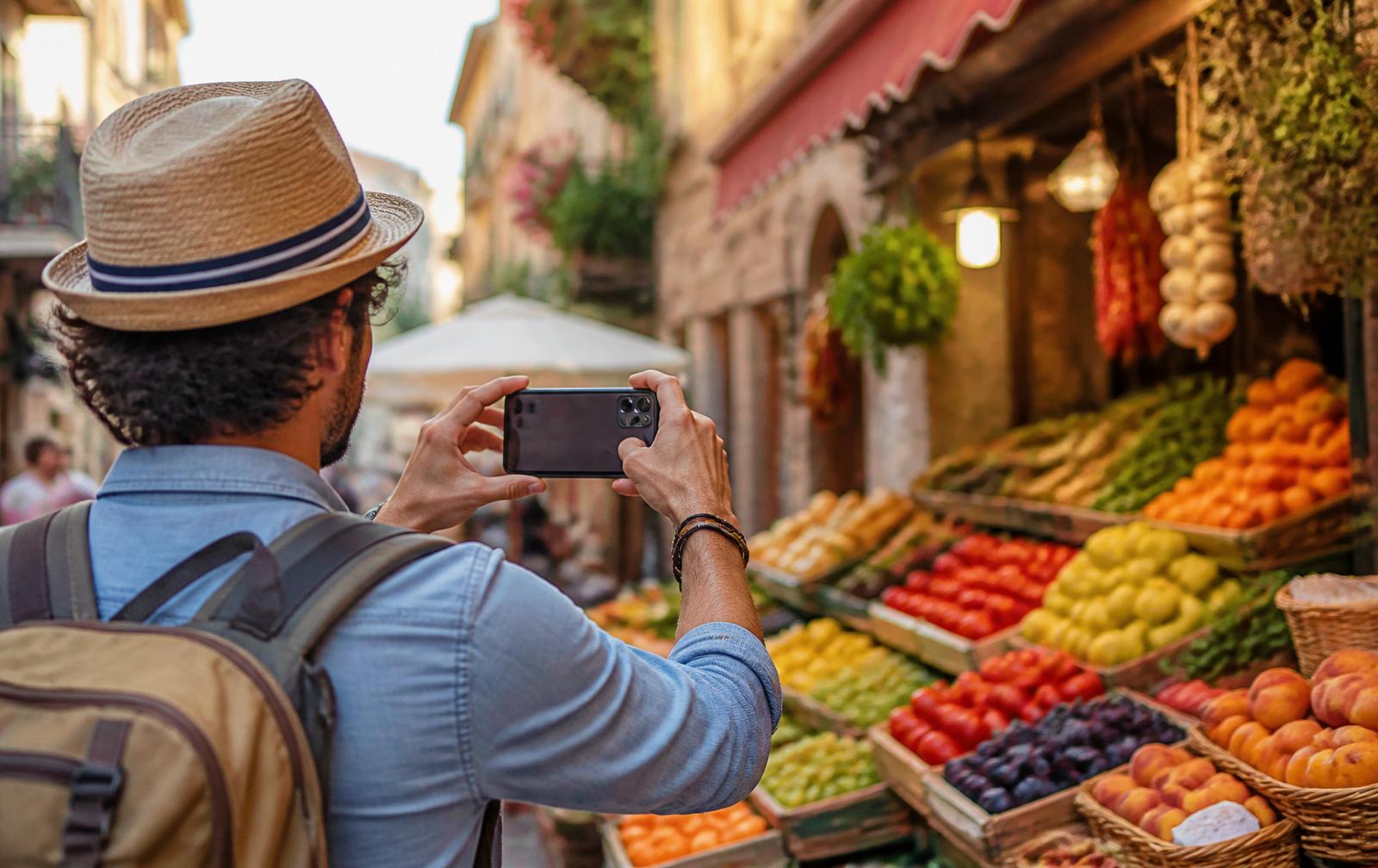
Open the Google Translate app, tap the camera icon under the text box, set the source language (or leave it on Detect Language) and the target language, then point the lens at a sign or menu. Instant mode overlays the translation directly on the live camera feed. Scan mode lets you take a still photo and highlight specific blocks of text.
Before you travel, download the offline language pack for your destination. Tap the language name in the translation banner and use the download button next to it. Once the pack is on the device, camera translation works with the phone in airplane mode, no roaming required.
The operational flow
| Step | Where in the app |
|---|---|
| Offline pack download | Tap target language, then the download icon next to it |
| Activate camera | Tap the Camera icon under the text input box |
| Set languages | Source on the left, target on the right |
| Switch modes | Instant for signs, Scan for menus and documents |
Step 1: download the offline pack before you leave
The single most important step happens before the trip starts. If you try to use live camera translation in an underground subway terminal or a mountain village with no data, the app will simply fail to render translations because it relies on local neural machine translation models that need to be on the device.
Open the app on home Wi-Fi. Tap on the target language name in the translation banner at the top. A list of available languages appears with a small download icon next to each. Tap the icon for your destination language. The pack is usually 40 to 100 MB depending on the language. Once it finishes, the icon changes to a checkmark and the language works fully offline.
Step 2: launch the camera and set the gates
Back on the main screen, set your source language on the left (or pick Detect Language if you are not sure of the script) and your target language on the right. Tap the Camera icon directly below the text input area. The first time you do this, the app asks for permission to access the phone's camera. Approve it to open the live viewfinder.
If the viewfinder looks blurry or grainy, tap the small flash icon at the bottom to enable the torch. Low light is the most common reason scans fail in restaurants and museums.
Step 3: choose between Instant and Scan
There are two modes inside the camera, and picking the right one for the situation matters more than people realize.
- Instant. Hold the phone steady and point it at a sign or street marker. The app erases the foreign characters on screen and replaces them with your target language text in roughly the same font, color, and scale. It is fast and feels magical, but the live overlay can shimmer if the camera is moving.
- Scan. Tap the shutter to capture a still. Use your finger to highlight the block of text you want translated, or tap Select All. The app produces a clean, high-contrast translation card you can read calmly without your arm getting tired holding the phone over a museum placard.
Step 4: handle photos already in your camera roll
You do not have to be in front of the sign to translate it. From the camera screen, tap the Import button (a small photo thumbnail in the corner) and pick any image from your phone's gallery. The app processes it exactly the same way as a fresh scan. This is useful for menus you photographed last night but did not have time to read, or for screenshots a friend sent you of a bill.
Two practical limits to know
Camera translation is excellent for printed text on flat surfaces. It struggles in three predictable situations:
- Handwriting. The OCR engine is trained mostly on printed type. Handwritten notes and decorative scripts often misread or come back blank.
- Heavily stylized fonts. Ornate restaurant logos, calligraphy on temple gates, and certain street art may not detect cleanly.
- Curved surfaces. Labels on bottles or cans distort the text, and accuracy drops. Lay the object flat or use Scan mode and crop carefully.
Privacy note worth checking
By default, Google Translate processes images on Google's servers when you are online, and locally when you are offline using the downloaded pack. For sensitive documents (a passport scan, a medical form, a bank statement), it is safer to enable airplane mode first so the image never leaves the device.
The takeaway
Download the offline pack before the flight, learn the difference between Instant and Scan, and Google Translate becomes the closest thing most travelers have to a live interpreter in their pocket. Pair it with a translated phrasebook for spoken interactions, and a trip to a country whose alphabet you cannot read becomes manageable inside an hour of arrival.