Quick Answer
Apple Notes has quietly turned into a full knowledge base. To use it like a pro, build a clean folder hierarchy, tag every note with hashtags, set up smart folders that auto sort by tag or date, use the camera scan feature for paper documents, and lock anything sensitive with Face ID or Touch ID.
The trick is to treat it like a database rather than a scratchpad. Once tags and smart folders are running, you stop digging for notes and start finding them in two taps.
Everything described here works on iPhone, iPad, and Mac with iCloud sync on.
Build a folder structure first
Open Notes, tap the folder icon, and create three or four top level categories that match how your life is actually divided. Common splits include Work, Personal, Reference, and Inbox. Long press any folder and drag it onto another to nest it as a subfolder, which is how you get to topics like Work / Clients / Acme without losing the parent context.
Pin the two or three notes you open every day by swiping right and tapping the pin icon. Pinned notes float at the top of every folder view regardless of edit date.
Master the hashtag system
Type a hashtag anywhere inside a note, like #invoice or #meeting, and Apple Notes indexes it instantly. Tags work across every folder, so a note filed in Work but tagged #invoice will appear next to a personal note tagged the same way when you filter.
The pro habit is to standardize a small tag vocabulary. Five to ten tags you actually reuse beats fifty one off tags. Start with categories like #todo, #idea, #receipt, #research, and #recipe.
Set up smart folders
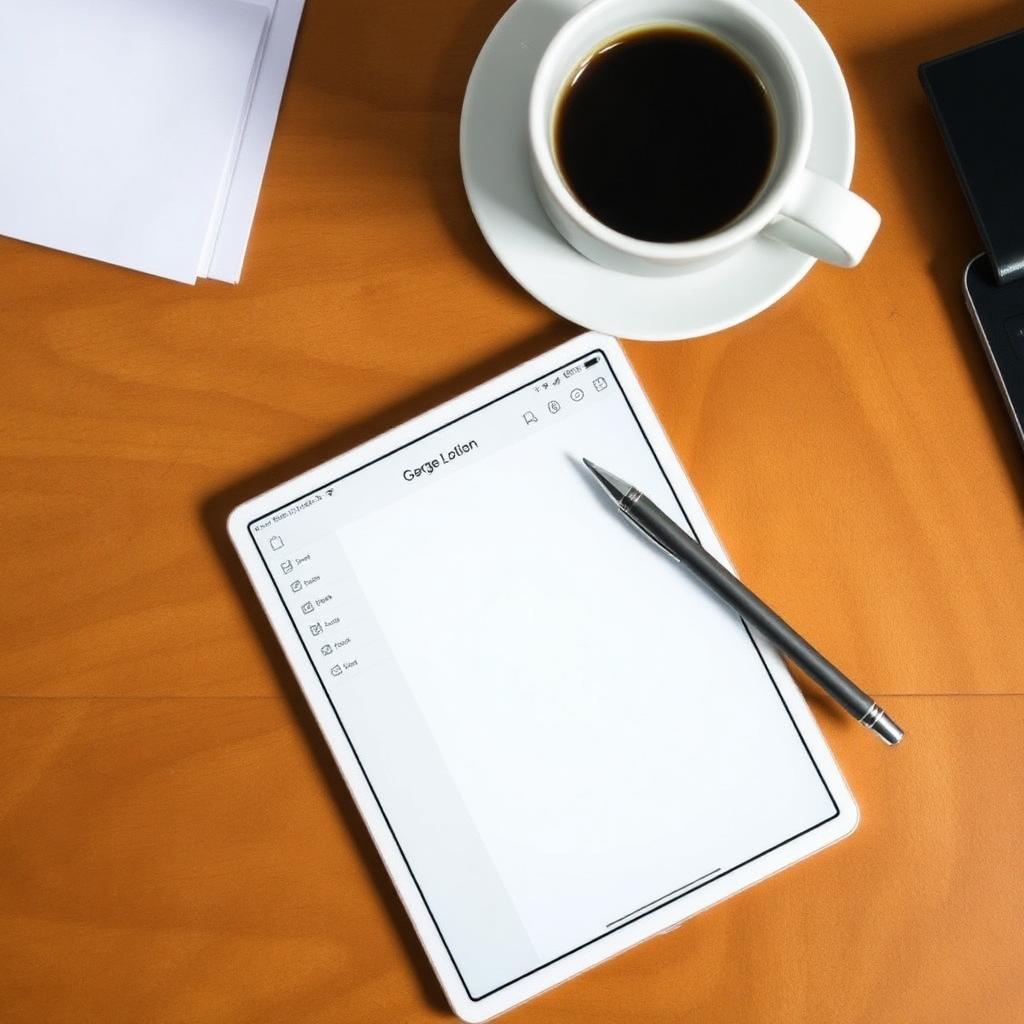
Smart folders are the feature that turns Notes from a list app into a workflow tool. Tap the new folder icon, choose Convert to Smart Folder, and pick the filters you want, such as tag, date created, mentions, attachments, or shared status.
- An Invoices smart folder filtered to #invoice automatically collects every billing related note.
- A This Week folder filtered by date created in the last 7 days surfaces recent work.
- A Receipts folder filtered to notes with attachments and tag #receipt gives you a tax season archive.
Smart folders update in real time, so you never have to manually move anything.
Format for scanability
The Aa icon at the top of the keyboard opens the format menu. Use Heading and Subheading to break long notes into navigable sections, then convert to do lists into proper Checklists so you can tick items off. Tables work well for structured data like contact lists, packing lists, or project tracking grids.
Block quotes (the indent button) are great for pulling out the key sentence from a long meeting note so you can find the decision later without rereading the whole thing.
Scan documents and search inside them
Tap the camera icon inside any note, choose Scan Documents, and hold the device over the paper. Apple Notes auto detects edges, corrects perspective, and saves a crisp PDF inside the note. Stack multiple pages into one scan by repeating the capture.
Live Text reads the words inside those scans, so when you search the app, results pull from handwritten and typed content too. This is how you find a receipt from six months ago by typing the merchant name.
Share and collaborate
The share icon at the top of any note opens collaboration options. Invite a teammate by email or message link, then choose whether they can view only or make changes. Changes sync live, and the contributor list shows who edited what at a glance.
For folder level collaboration, share the entire folder rather than individual notes. Every note inside becomes editable by your collaborators, which works well for shared project boards or household task lists.
Lock sensitive notes
Long press any note and tap Lock Note to protect it with a custom password, Face ID, or Touch ID. Locked notes show only the title in your list, with the body blurred until you authenticate.
Use this for travel itineraries, account recovery hints, ID document scans, and anything else you would not want a friend to see if they borrowed your phone.
The takeaway
Apple Notes scales from grocery list to second brain depending on how you set it up. Folder hierarchy plus hashtags plus smart folders plus locking covers 90 percent of what people pay third party note apps for. Spend 20 minutes putting the system in place once, and the tool quietly stays out of your way for years.
Frequently asked questions
Do hashtags sync between iPhone, iPad, and Mac?
Yes, as long as Notes is enabled in iCloud settings on every device.
Can I share a smart folder with someone?
No. Smart folders are personal and filter your own library only. Share a regular folder instead.
What happens to scanned PDFs if I delete the note?
The PDF goes to the Recently Deleted folder for 30 days, then is permanently removed.
Can I migrate my notes from another app into Apple Notes?
Yes. Most apps export to plain text or HTML, which you can drag into Notes on a Mac. Tags and folder structure usually need to be rebuilt by hand.