Quick Answer
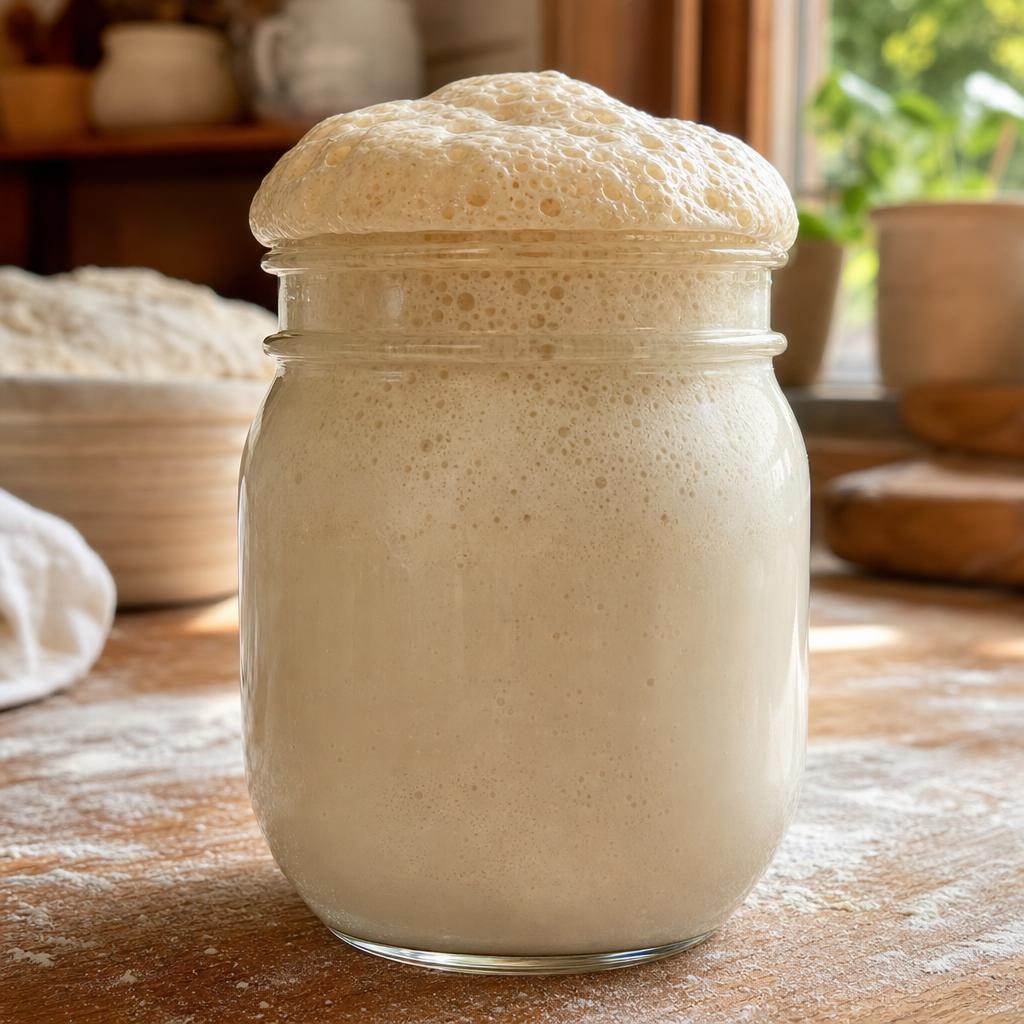
Stir 1 teaspoon of sugar into 60 ml of water heated to 38 to 43 degrees Celsius (100 to 110 Fahrenheit). Sprinkle one packet (about 7 g or 2 and a quarter teaspoons) of active dry yeast on top. Wait 10 minutes. If the surface fills with foam half an inch thick and smells bready, the yeast is alive.
If the mixture stays flat and watery, the yeast is dead and the bread will not rise. Toss it and open a fresh packet.
Why proofing matters
Yeast is a single-celled fungus (Saccharomyces cerevisiae) that eats sugar and releases carbon dioxide, which is what stretches and lifts bread dough. If the yeast in your packet is dead from age, heat damage in transit or a torn packet, no amount of kneading will save the loaf. A 10-minute test up front saves you from finding out two hours later, when the dough has not budged.
You only need to proof active dry yeast and fresh cake yeast. Instant yeast (sometimes called rapid-rise or bread machine yeast) is engineered to skip this step; you can dump it straight into flour without proofing first, although nothing breaks if you proof it anyway.
The temperature window is the whole game
Yeast has a narrow comfort range. Below about 21 Celsius (70 Fahrenheit) it stays dormant. The sweet spot for activation is 38 to 43 Celsius (100 to 110 Fahrenheit), warm to the touch but never hot. Above about 54 Celsius (130 Fahrenheit) the cell walls rupture and the yeast dies on contact.
If you cannot find your thermometer, the rough finger test is: water should feel slightly warmer than body temperature, like a comfortable bath. If it feels even a touch hot, let it cool for 60 seconds. Hot tap water in many parts of the world runs at 50 to 60 Celsius and will instantly kill a packet.
Step-by-step proof
- Pour 60 ml of warm water (38 to 43 Celsius) into a clear glass or measuring jug. Clear glass lets you see the action.
- Add 1 teaspoon of sugar or honey. Stir until dissolved. The sugar is the immediate food source the yeast needs to wake up.
- Sprinkle one 7 g packet (2 and a quarter teaspoons) of active dry yeast across the surface. Do not stir hard; a gentle swirl is enough.
- Leave the jug undisturbed in a draft-free spot for 10 minutes.
How to read the result
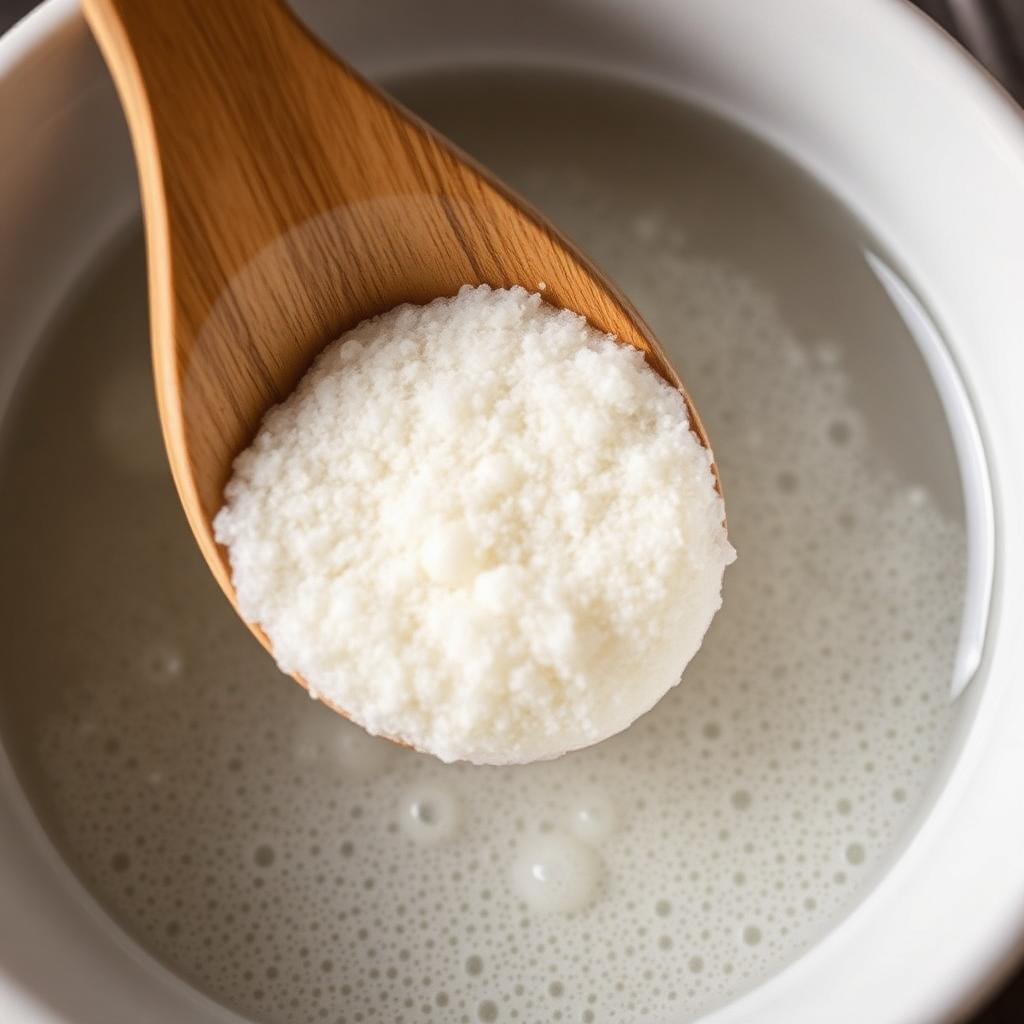
After 10 minutes, look at the surface. A live, healthy packet will have built a thick frothy crown half an inch or more above the water line, and the room around the jug will smell of fresh bread or low-alcohol beer. That is the carbon dioxide and ethanol the yeast is producing as it eats the sugar.
If the water looks the same as it did at minute zero, no foam, no smell, the yeast is dead. This is most common with packets that have been on a shelf past their best-by date, packets that were stored above the kitchen oven where heat accumulates, or packets that arrived in a damaged box.
A partial result (a thin scatter of bubbles but no real foam crown) means the yeast is weak. The bread will rise but slowly. For a sourdough or a same-day loaf, replace the packet; for a long overnight rise you can sometimes get away with it.
How to store yeast so it stays alive
An unopened packet keeps at room temperature in a cool cupboard for the printed best-by date, usually a year. Once you open a packet or a jar, transfer it to an airtight container and put it in the fridge (where it lasts about four months) or the freezer (where it lasts close to a year). The cold pauses the metabolism without killing the cells.
Cold yeast straight from the fridge needs a slightly warmer activation water (toward the 43 Celsius end of the window) because it has to wake from a deeper rest.
Can you use the proofed yeast in the dough?
Yes. Once the foam crown forms, pour the entire jug, water and all, into your flour and continue the recipe as normal. Just remember to subtract that 60 ml from whatever total water the recipe asks for so the hydration stays right.
Common mistakes
Using cold tap water. Yeast added to cold water will not foam in 10 minutes even if it is perfectly alive. Warm the water first.
Skipping the sugar. Yeast can survive on the small amount of natural sugar in flour, but for the proof test it needs a free, fast carbohydrate. Plain water is not enough.
Using salt water. Salt and yeast in direct contact dehydrate the cells. Always proof yeast in plain warm water and add the salt to the flour, not the proofing jug.
The takeaway
Proofing is the cheap insurance policy of bread baking. Warm water (never hot), a teaspoon of sugar, one packet of yeast, 10 minutes of patience. A thick foam crown means go ahead. A flat clear puddle means open a new packet before you commit two hours and a kilo of flour to a brick.