Quick Answer
Freezer burn happens when frozen water inside food turns directly into vapor (a process called sublimation) and escapes through any air gap in the packaging. To prevent it, eliminate air contact, hold the freezer at 0 degrees Fahrenheit or colder, and stop letting the door swing open while you decide what to eat.
Vacuum sealing is the single most effective defense. If you do not own a sealer, double wrapping in plastic wrap plus a heavy duty freezer bag with the air squeezed out works almost as well.
Most freezer burn is preventable with packaging upgrades that cost less than 20 dollars.
What freezer burn actually is
Frozen food still contains moisture in the form of ice crystals. When that ice meets dry cold air, it skips the liquid phase and turns straight into water vapor, leaving behind dehydrated, oxidized patches that look grey, brown, or icy white. The food is still safe to eat but the texture turns tough and the flavor goes flat.
Three conditions speed this up: poor packaging that lets air touch the food surface, fluctuating freezer temperature, and long storage times.
Eliminate air exposure
Standard sandwich bags and thin plastic wrap are too porous to be a real moisture barrier in long term freezing. Air seeps through the seams and through the plastic itself over weeks.
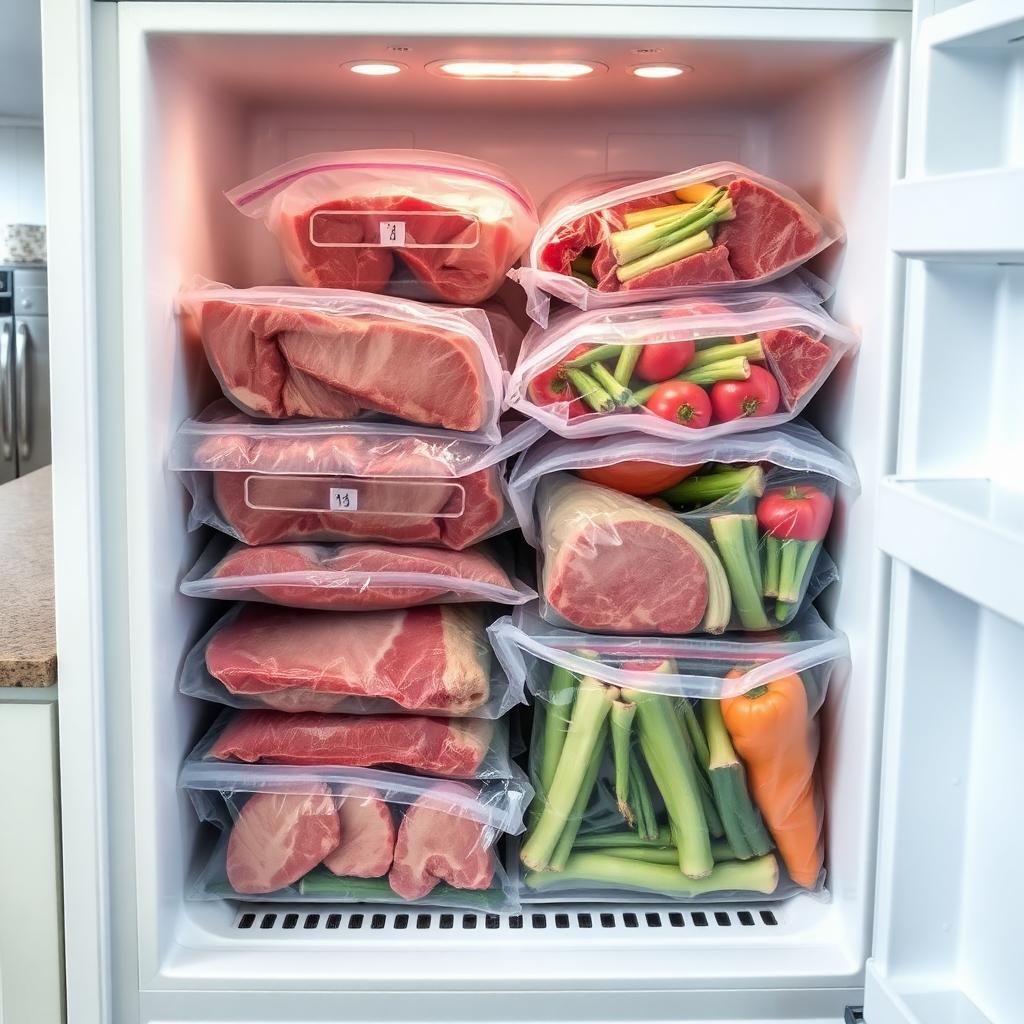
- Double wrap. Wrap the food tightly in plastic wrap or heavy aluminum foil first, then seal inside a freezer bag with the air pressed out.
- Vacuum seal. A countertop vacuum sealer pulls all the air out and presses the plastic flush against the food. This is the gold standard for long storage.
- Submerge in liquid. Stews, soups, and sauces freeze beautifully when stored in containers filled to within half an inch of the lid. The liquid itself acts as the air barrier.
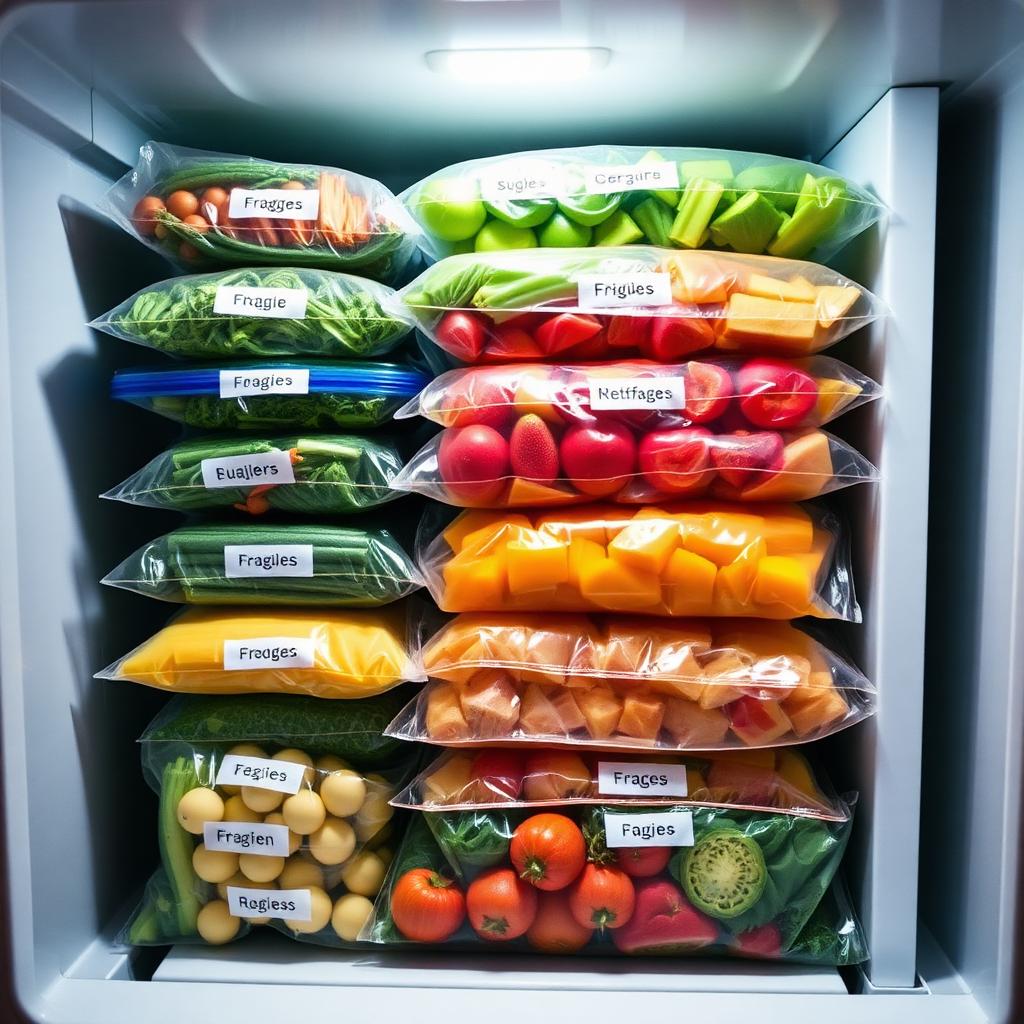
Hold a steady temperature
Every time the freezer door opens, warm room air rushes in and the surface temperature of nearby food rises slightly. When the freezer cools down again, that surface moisture refreezes into large jagged ice crystals that damage cell walls and accelerate burn.
- Keep the freezer set to 0 degrees Fahrenheit (about minus 18 Celsius) or lower.
- Cool hot leftovers in the fridge before transferring to the freezer.
- Open the door with a plan rather than browsing for ideas.
- Replace the door gasket if it no longer seals tightly against the frame.
Optimize how you fill the freezer
A full freezer holds temperature better than an empty one because frozen mass acts as thermal ballast. The sweet spot is around 75 percent full.
- Too empty means more warm air rushes in every time you open the door.
- Too full blocks airflow and creates warm spots near the back of the freezer.
- Front shelf items face the most temperature swing. Store long term items deep inside.
Pre treat foods that freeze badly
Some ingredients are more vulnerable than others. A few habits make a big difference.
- Blanch vegetables before freezing. A quick 30 to 60 second dip in boiling water followed by an ice bath halts the enzymes that cause off flavors.
- Flash freeze berries in a single layer on a tray before bagging so they freeze fast and individually.
- Glaze fish by dipping fillets in cold water and refreezing to coat them in a protective ice shell.
- Cover soups and stews completely with broth or stock to shield meat and vegetables from dry air.
Label every package with a date
Freezer burn is also a time problem. Even perfectly packaged ground beef starts to lose quality after 4 months, and chicken breasts after 9. Write the contents and the freeze date on every package with a permanent marker, and rotate older items to the front so they get used first.
General guidelines for best quality: raw beef and pork up to 6 months, raw poultry up to 9 months, cooked leftovers up to 3 months, raw fish up to 3 months, blanched vegetables up to 12 months.
The takeaway
Air, temperature swings, and time are the three forces behind freezer burn. Vacuum seal or double wrap to remove air, hold the freezer at 0 Fahrenheit or colder, and label everything so older items get eaten first. Do that and most home cooks will never see freezer burn again.
Frequently asked questions
Is freezer burned food safe to eat?
Yes, it is safe. Quality suffers. Trim off the burned patches and use the rest in soups or stews where texture matters less.
Do glass containers prevent freezer burn?
They reduce it because glass is impermeable, but headspace inside the jar still exposes the top surface to air. Press a layer of plastic wrap onto the food before sealing.
Why do my ice cubes get freezer burn first?
Ice is pure water with nothing to slow sublimation. Use a covered tray and keep it deeper in the freezer.
Does opening the freezer once a day really matter?
One careful opening barely moves the needle. The damage adds up when the door is opened 10 or 15 times a day or held open for minutes at a time.