Quick Answer
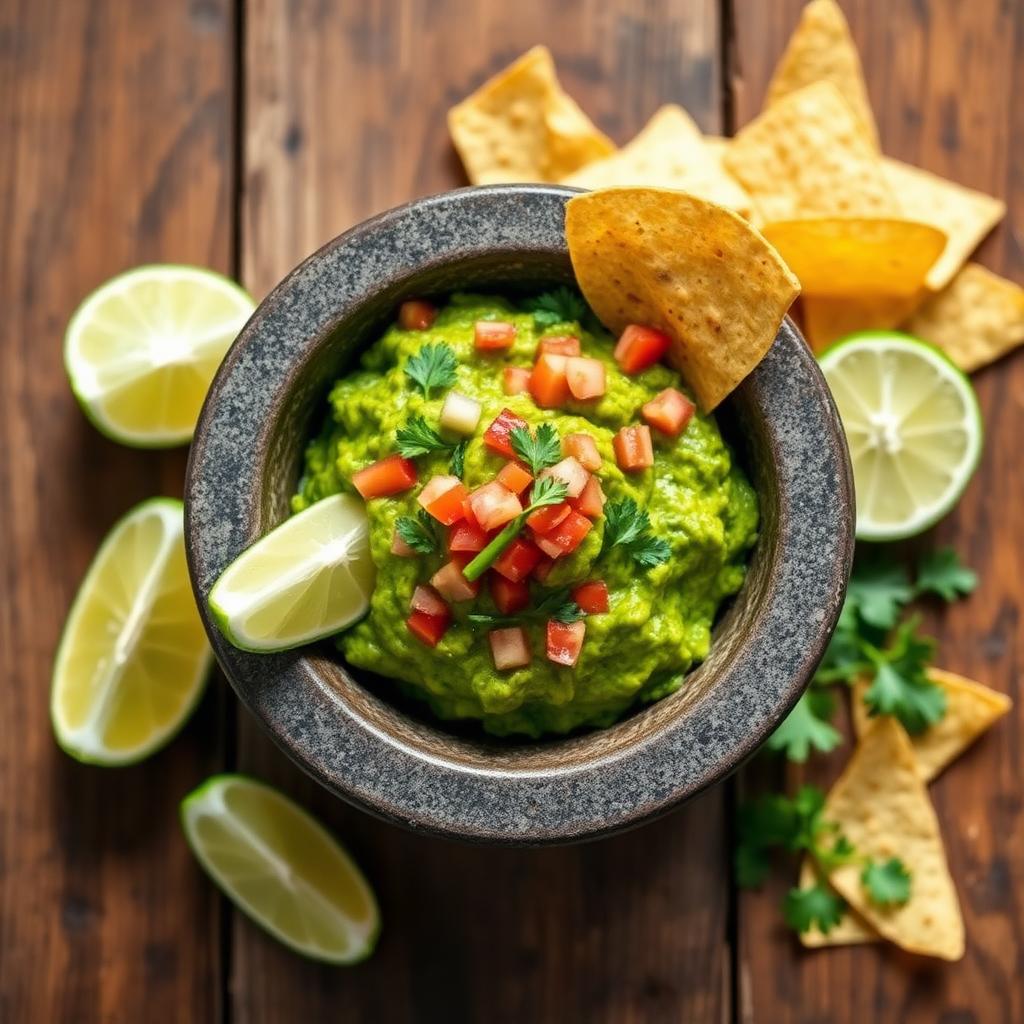
For restaurant style guacamole, mash onion, cilantro, chilli, and salt into a paste first, then fold in 3 ripe Hass avocados using a fork (not a food processor) to keep a chunky 60/40 texture. Finish with the juice of 1 lime and serve immediately.
The paste step is the single biggest difference between average home guacamole and tableside Mexican guacamole. It releases aromatic oils that simple chopping leaves trapped.
Why most home guacamole falls short
Home cooks often dice onion, chop cilantro, and toss everything in with mashed avocado. The result tastes flat and watery, with crunchy onion fighting the creamy fat instead of melting into it. Mexican kitchens use a different approach: they pulverise the aromatics into a paste in a molcajete (volcanic stone mortar and pestle) before the avocado ever enters the bowl.
That grinding ruptures the plant cells in the onion, chilli, and cilantro, releasing the volatile sulphur compounds and herbal oils that carry most of the flavour. By the time you fold in the avocado, every bite is already seasoned at the molecular level.
The ingredients that actually matter
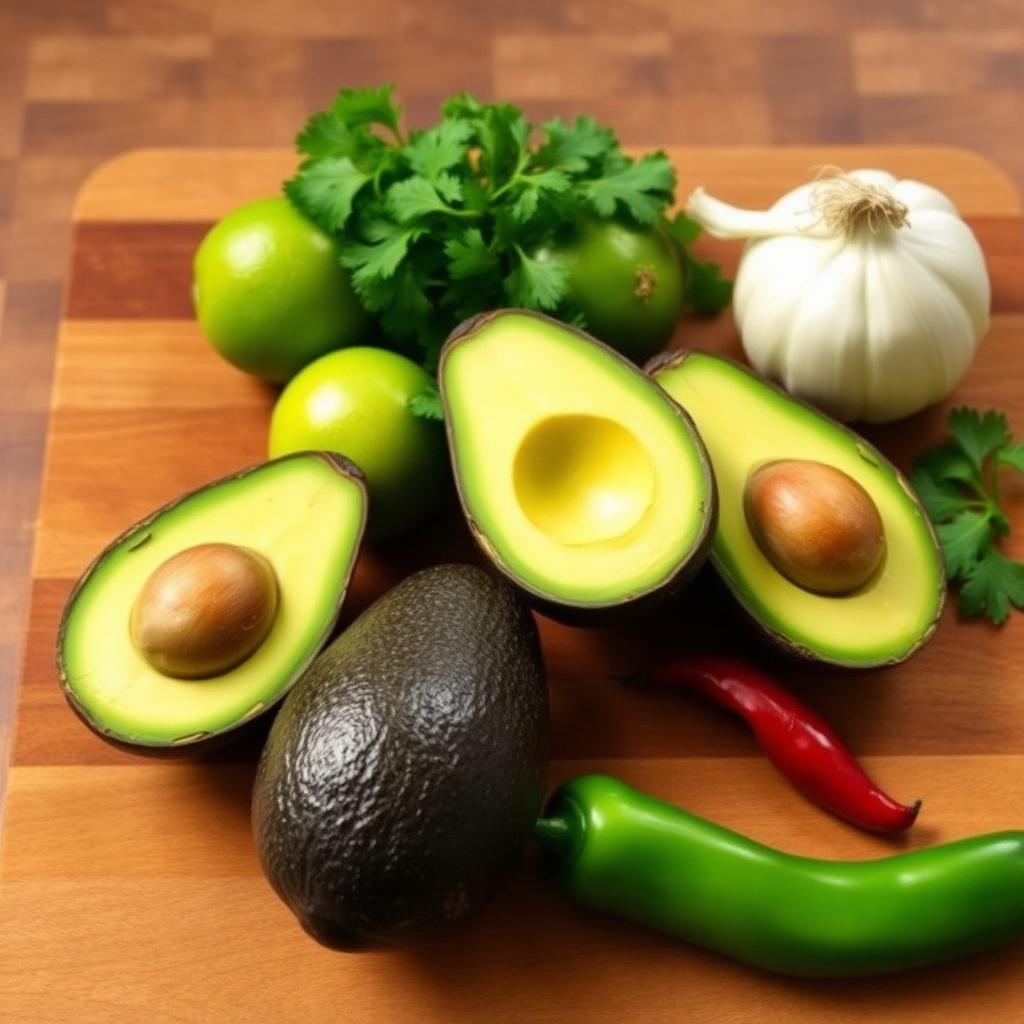
- 3 ripe Hass avocados. Bumpy dark purple-black skin. They should yield slightly to thumb pressure near the stem without feeling hollow or mushy.
- 1/2 cup finely diced white onion. White onion is sharper and cleaner than yellow or red. If you only have red, rinse the dice in cold water first to mellow it.
- 1/4 cup chopped fresh cilantro leaves. Tender stems are fine; avoid the thick lower stems.
- 1 serrano or jalapeno chilli, finely diced. Serrano is brighter and hotter; jalapeno is milder. Seeds and white membrane in for heat, out for mild.
- 1 teaspoon coarse sea salt or kosher salt. The grit is what helps grind the aromatics.
- 1 large juicy lime. About 2 tablespoons of juice.
Optional but classic: a pinch of ground cumin, finely diced ripe tomato (added at the very end so it does not water down the dip), or crumbled cotija cheese to finish.
Picking and ripening avocados
The whole dish lives or dies by the avocados. At the shop:
- Look for bumpy textured skin in dark forest green to near black.
- Flick the small stem nub. If it comes off easily and reveals a bright green spot underneath, the fruit is ripe. Brown underneath means it is over.
- Avoid avocados with soft sunken spots or fissures in the skin.
Rock-hard avocados need 2 to 4 days at room temperature to ripen. Speed it up by storing them in a paper bag with a banana; the ethylene released by the banana accelerates ripening. Once ripe, they keep in the fridge for another 3 to 5 days.
Step by step: the molcajete method
- Build the paste. Combine the onion, cilantro, chilli, and salt in a molcajete (or a heavy bowl with a wooden pestle or the back of a sturdy spoon). Grind in a circular motion for 1 to 2 minutes until you have a fragrant green-flecked paste. The salt crystals do the abrasive work.
- Open the avocados. Halve lengthwise, twist apart, remove the pit, and score the flesh inside the skin in a crosshatch pattern. Scoop the chunks straight into the molcajete on top of the paste.
- Mash gently. Use a fork or potato masher to press down on the avocado, breaking it into a mix of larger chunks and creamy paste. Stop when you have roughly 60 percent visible chunks suspended in 40 percent creamy puree. Over-mashing turns it into baby food.
- Lift, do not stir. Use a spatula to lift the bottom layer over the top, folding the avocado through the aromatic paste without smearing it. This protects the texture.
- Add the lime. Squeeze the lime juice over the top, sprinkle with a few extra cilantro leaves, and fold once more. Taste; add more salt or lime by quarter teaspoon until it makes you reach for another bite.
Why not a food processor
A food processor or stick blender produces guacamole that is uniformly smooth, slightly grey, and unpleasantly wet. The high-speed blades shear the avocado's cell walls cleanly, releasing the internal water and oils into a runny emulsion. The paste-and-fold method preserves the cell structure, which keeps the avocado tasting rich and buttery rather than soupy.
If you do not own a molcajete, a sturdy bowl and the back of a wooden spoon work fine. Avoid metal-on-metal grinding, which can leave a slight metallic taste.
Stopping the brown
Avocado flesh turns brown when polyphenol oxidase enzymes react with oxygen. Lime juice slows the reaction by lowering surface pH and acting as a mild antioxidant. For a longer hold:
- Press a piece of cling film directly onto the surface of the guacamole so no air touches it.
- Add an extra splash of lime juice on top before sealing.
- Drop the avocado pit back into the bowl. This is partly folklore but the pit does protect the flesh directly underneath it.
- Refrigerate and use within 24 hours. Past that, the texture deteriorates even if the colour holds.
Common mistakes to avoid
- Skipping the paste step. Without it, the dip tastes raw and the onion stays too crunchy.
- Using under-ripe avocados. No amount of mashing fixes a hard avocado.
- Over-salting at the start. Lime juice intensifies salt. Always taste after the lime goes in.
- Adding tomato early. Tomato is mostly water. Stir it in last, just before serving, or skip it.
- Making it hours ahead. Guacamole is a 10 minute, eat-immediately dish. Prep the paste in advance and fold in the avocado at the last minute.
How to serve
Serve in the molcajete itself if you have one; the stone keeps the guacamole cool and adds restaurant theatre. Pair with warm salted corn tortilla chips, fresh corn tostadas, or as a topping for tacos al pastor, carnitas, grilled fish, breakfast eggs, or a smash burger. The base recipe scales linearly: double the paste and the avocados for a party-size bowl that will still disappear in 15 minutes.
The takeaway
Restaurant-style guacamole is not a recipe so much as a technique: mash a paste of onion, chile, salt, and cilantro first, then fold in ripe Hass avocado and finish with lime. Serve within the hour for the best color and flavor.