Quick Answer
Authentic risotto needs a short grain Italian rice (Arborio, Carnaroli, or Vialone Nano), hot stock kept at a steady simmer in a second pot, and roughly 18 to 22 minutes of attentive stirring. The ratio is about one cup of rice to 3.5 to 4 cups of stock, added one ladle at a time.
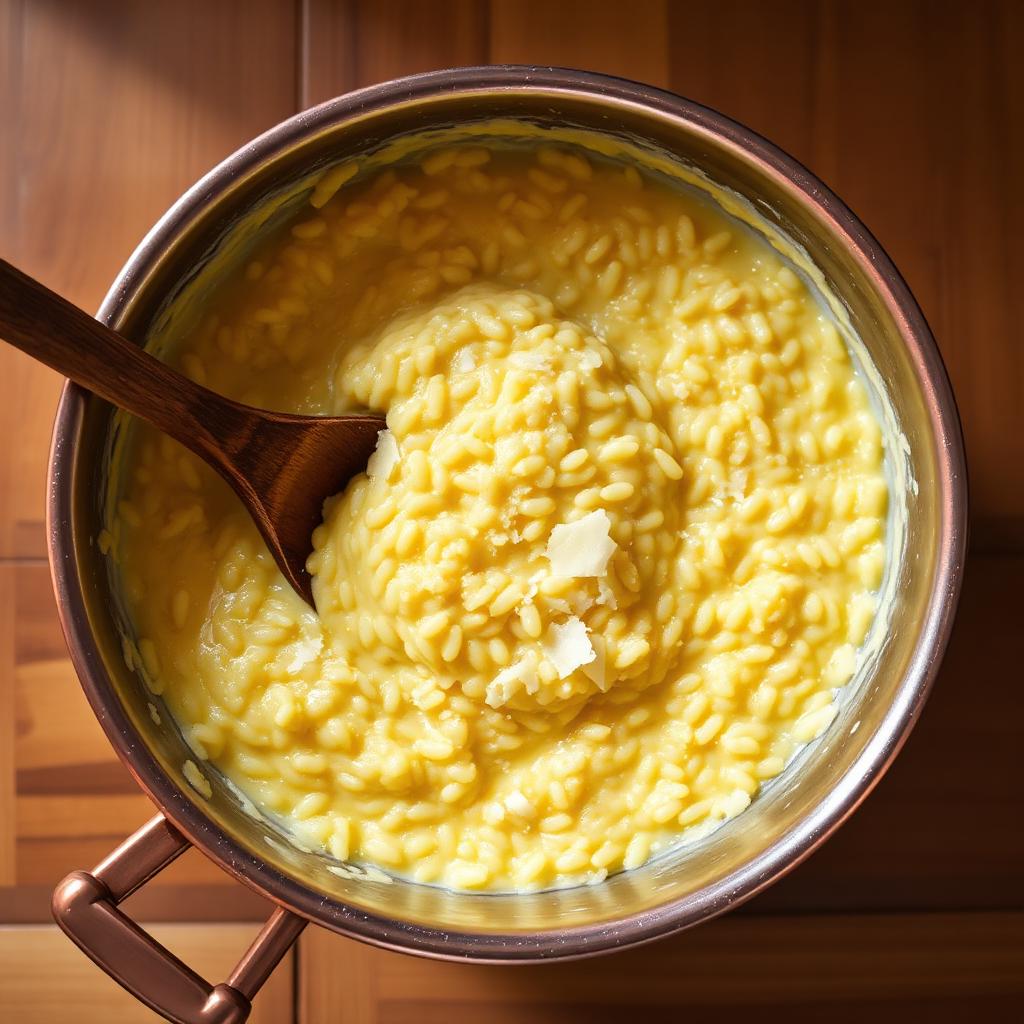
The signature creamy, wave-like texture (Italians call it all'onda) comes from starch released by the rice itself, not from cream. Never rinse the rice, toast it in butter for two minutes before any liquid hits the pan, and finish off the heat by beating in cold butter and grated Parmigiano-Reggiano.
The execution parameters at a glance
| Metric | Benchmark |
|---|---|
| Rice cultivar | Arborio, Carnaroli, or Vialone Nano |
| Liquid ratio | 1 cup rice to 3.5 to 4 cups stock |
| Stock temperature | Steady simmer, around 90 degrees Celsius |
| Cook time | 18 to 22 minutes of continuous stirring |
Step 1: pick the right rice and never rinse it
Long grain rice like Jasmine, Basmati, or converted white rice will not work. They lack the surface amylose that builds the creamy emulsion. Use a high-starch, short-to-medium-grain Italian rice. Arborio is the easiest to find. Carnaroli is preferred by most professional cooks because it holds its bite longer and is harder to overcook.
The single most important rule is this: do not rinse the rice. Washing the grains under the tap strips away the loose surface starch that thickens the broth into a velvet sauce. Without that dust of amylose, you end up with dry, separate grains in a watery pan.
Step 2: the toasting (tostatura)
Bring your stock (chicken, vegetable, or mushroom) to a low simmer in a separate pot. Cold stock added to a hot pan stalls the rice and gives you uneven grains, so the second pot is not optional.
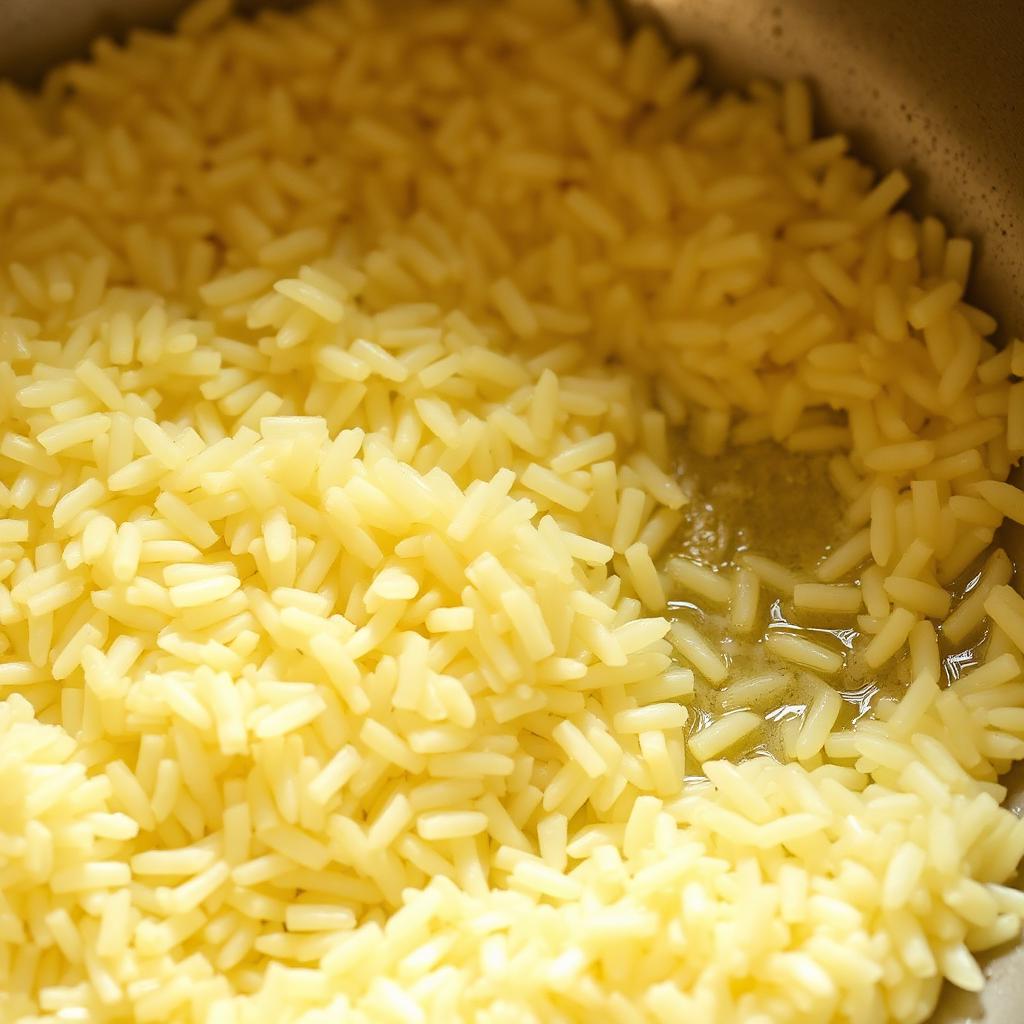
In a wide, heavy-bottomed skillet, melt two tablespoons of unsalted butter with a splash of olive oil and sweat finely minced shallots until translucent. Add the dry, unrinsed rice straight into the fat. Stir continuously for two to three minutes over medium heat. This is the tostatura. The fat seals each grain, which protects it from dissolving into mush and locks in a faintly nutty base flavor. Stop the moment the edges of the grains turn translucent while the centers stay chalky white.
Step 3: the wine splash and the ladle cycle
Pour roughly half a cup of dry white wine (Pinot Grigio or Sauvignon Blanc work well) over the toasted rice. It will hiss. The alcohol evaporates, leaving acid behind to balance the starch.
Once the wine is absorbed, add the first ladle of simmering stock and drop the burner to medium-low. Now stir continuously with a wooden spoon. Stirring is not just to prevent sticking. The friction of the grains rubbing against each other mechanically abrades the outer starch layer and coaxes it down into the broth, which is where the creaminess actually comes from.
The moment the rice has absorbed the liquid and you can drag a clean line across the bottom of the pan with the spoon, add the next ladle. Repeat this cycle for 18 to 22 minutes total. Resist the urge to dump in two ladles at once. The slow drip is what builds the emulsion.
Step 4: the mantecatura
Taste a grain. It should be tender on the outside with a small distinct bite at the very core. That is al dente. Turn the burner off completely.
Drop in two tablespoons of cold cubed unsalted butter and half a cup of freshly grated Parmigiano-Reggiano. Beat the pan vigorously with the spoon for about 60 seconds. The cold fat hitting the hot starch emulsifies into a glossy coating. This is the mantecatura, and skipping it is the difference between restaurant risotto and a homework version. Slide the finished rice onto a flat (not deep) plate. It should spread out into a slow horizontal wave on its own, which is the all'onda texture Italian cooks aim for.
Common mistakes to avoid
- Lid on the pan. Risotto is open-pan cooking. Covering it traps steam and makes the rice gummy.
- Adding cold stock. Use the second pot. Cold liquid shocks the rice and the cycle never recovers.
- Adding cream. A finished risotto does not need it. The starch plus the Parmigiano plus cold butter is the cream substitute, and it is better than the real thing.
- Walking away. The 20 minutes need a person at the pan. Set everything else up first.
- Pre-grated Parmesan. The anti-caking agents in shaker cheese will not emulsify. Grate a real wedge of Parmigiano-Reggiano at the end.
Easy variations once the technique is locked
The base technique above is risotto bianco. Once it feels automatic, you can branch out. For risotto alla Milanese, bloom a pinch of saffron threads in a ladle of warm stock for 10 minutes and add it during the cooking. For mushroom risotto, sweat sliced cremini or porcini with the shallots before the rice goes in. For seafood risotto, use fish stock instead of chicken, skip the Parmigiano in the mantecatura (cheese clashes with shellfish in classical Italian cooking), and finish with olive oil and parsley.
The takeaway
Risotto is a technique dish, not a recipe dish. Use the right rice, keep the stock hot, toast first, add one ladle at a time, and finish off the heat with cold butter and cheese. Master that sequence once and every variation, from saffron to seafood, becomes a small tweak to the same 20-minute cycle.