Quick Answer
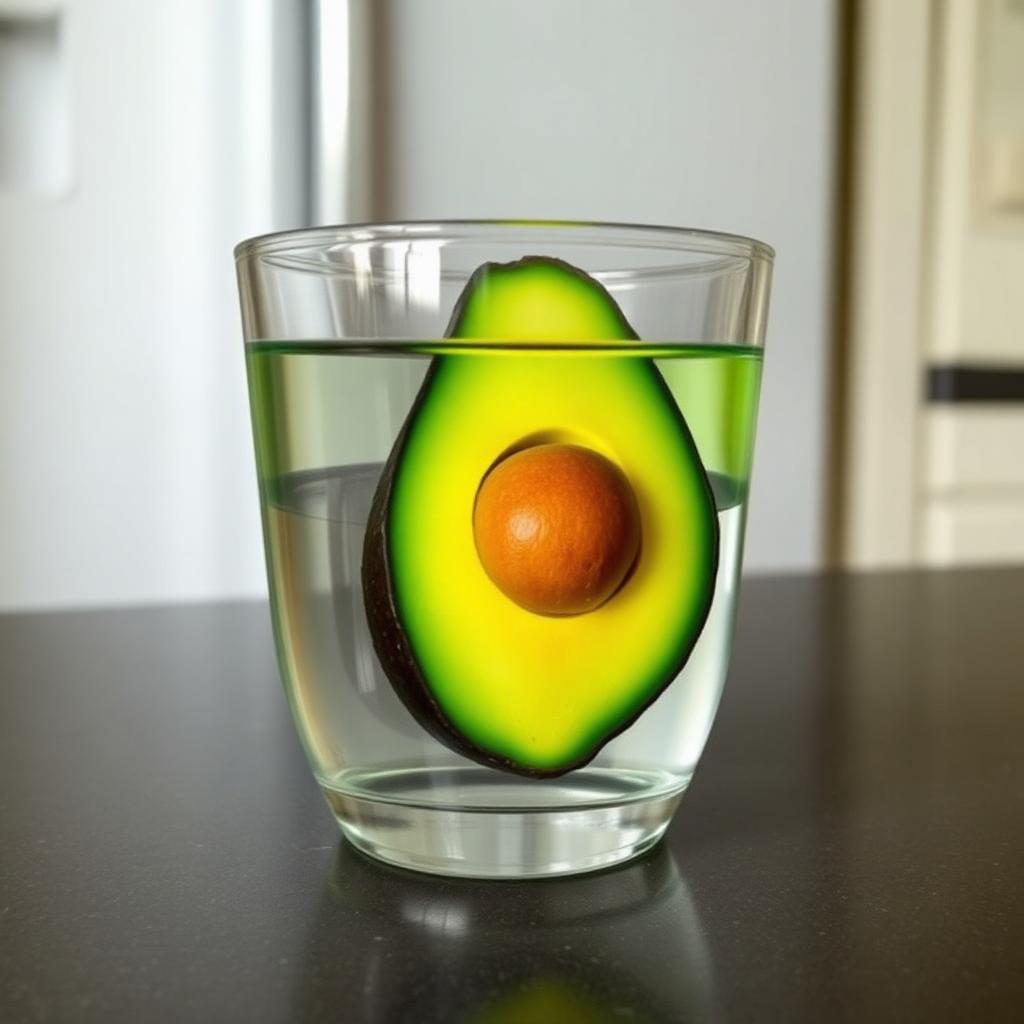
Submerge the cut half of the avocado, skin and pit included, fully under cold water in a sealed container and refrigerate. The water blocks oxygen from reaching the flesh, which is the trigger for browning. The avocado stays bright green for up to 48 hours.
If you have already sliced the avocado for a salad or sandwich, brush every exposed surface with fresh lemon or lime juice. The citric acid drops the pH on the flesh and deactivates the enzyme that turns it brown.
Why avocados turn brown in the first place
Browning is not rot. It is a chemical reaction called enzymatic oxidation. Avocado tissue contains an enzyme called polyphenol oxidase, which is harmlessly locked inside intact plant cells while the fruit is whole. The moment a knife slices through, you rupture those cells and expose the enzyme to oxygen in the air. The enzyme catalyses a reaction between the avocado's natural phenolic compounds and oxygen, producing the brown pigment melanin.
It is the same reaction that browns a bitten apple, a peeled banana, or a halved pear. The brown layer is safe to eat and the avocado is not spoiled. It just looks unappetising and tastes slightly more bitter than the green flesh underneath.
The pit trick does not work
You have probably read advice that says: "leave the pit in the half you are saving and it will not brown." This is a long running myth. The pit blocks oxygen only from the tiny ring of flesh directly touching it. Lift the pit out and you will see a perfect green circle on otherwise brown flesh. The fruit needs a real barrier, not a folk trick.
Method 1: total water submersion (48 hour shield)
This is the best method by a wide margin. It costs nothing, takes 30 seconds, and works on any size piece.
- Take the unused avocado half. Leave the skin on. The pit can stay in or come out, it does not matter.
- Fill a small food storage container with cold tap water (filtered if your tap is heavily chlorinated).
- Lower the avocado half into the water, flesh side down, so it is fully submerged. The skin should be facing up.
- Snap an airtight lid on top and slide the container into the refrigerator.
Water contains far less dissolved oxygen than ambient air, so the polyphenol oxidase enzyme is starved of its key reactant. Up to 48 hours later, lift the avocado out, blot it dry with a paper towel, and you will see flesh that looks freshly cut. The US Food and Drug Administration has publicly advised against this trick if you are storing avocados for very long periods at home, because in theory pathogens like Listeria can grow on the wet skin if the avocado sits at warm temperatures. Keep the container cold and use within 2 days and the risk is negligible.
Method 2: citric acid brush (24 hour shield)
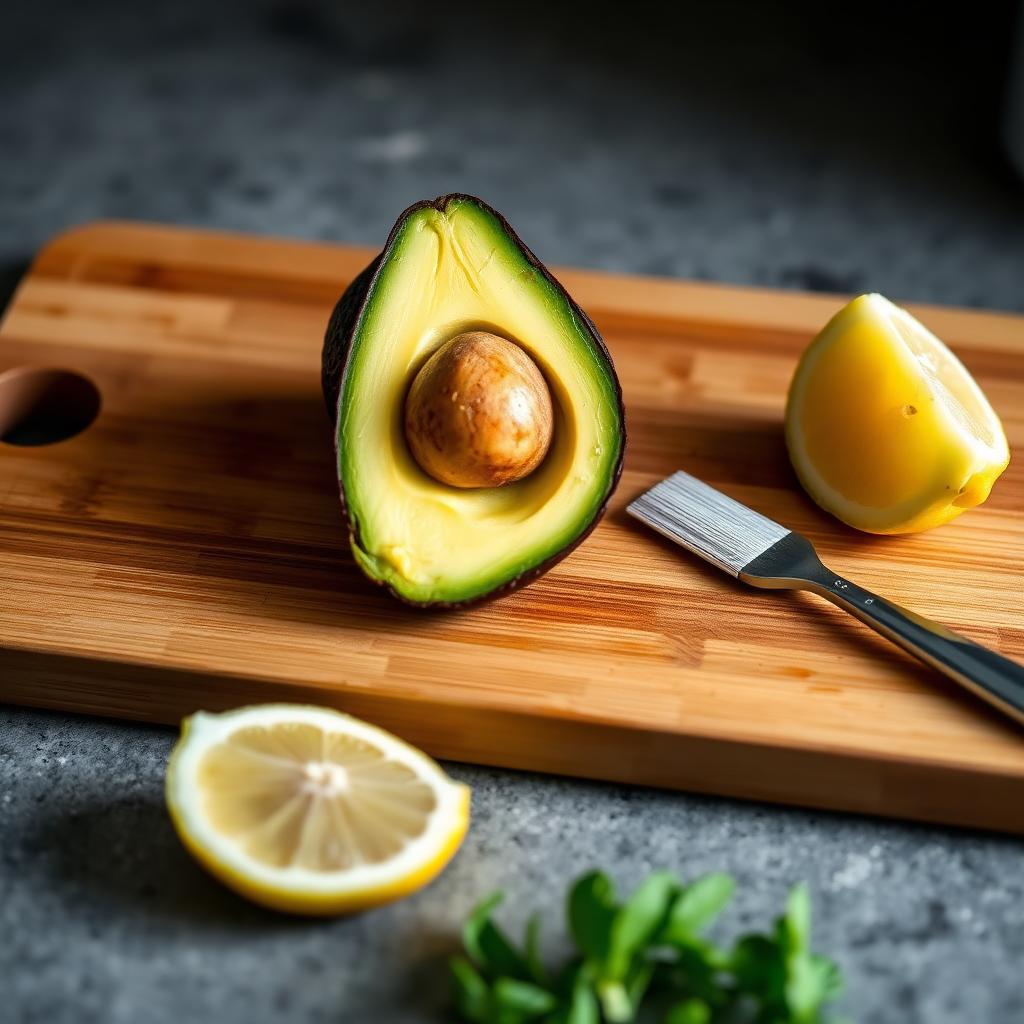
If you are slicing avocado into a salad bowl or onto toast in advance for a party, water submersion is impractical. Use citrus instead. Polyphenol oxidase is most active in a neutral pH (around 6 to 7) and is rapidly deactivated below pH 4. Lemon and lime juice sit around pH 2 to 3, which is more than acidic enough.
- Cut your lemon or lime in half and squeeze the juice into a small bowl.
- Dip a clean pastry brush into the juice and paint a generous, even layer onto every exposed surface of the avocado.
- Cover the bowl with plastic wrap pressed directly onto the surface and refrigerate.
The flesh will hold its colour for at least a full day. Bonus: lemon juice tastes great in guacamole and avocado toast anyway. Lime works better with Mexican flavours, lemon with Mediterranean.
Method 3: airtight wrap (last resort)
If you have neither a container nor a citrus fruit, the third option is to press cling film tightly against the surface of the flesh so no air pocket can form, then refrigerate. This works for about 24 hours but the result is rarely perfect, the smallest gap in the wrap creates a localised brown patch.
What about whole avocados that have ripened too far?
If the whole fruit is uncut but already very soft, peel it, mash it into guacamole, and freeze the guacamole in a zip top bag with the air pressed out. Frozen guacamole keeps its colour for up to 3 months and thaws in 30 minutes on the counter.
Quick storage rules of thumb
- Unripe whole avocado: counter at room temperature until soft (3 to 5 days).
- Ripe whole avocado: refrigerator for up to 1 week.
- Cut half: submerged in water, fridge, 48 hours.
- Sliced: brushed with citrus, fridge, 24 hours.
- Guacamole: cling film pressed onto surface, fridge, 48 hours, or freeze for 3 months.
The takeaway
Avocado browning is enzymatic oxidation, not spoilage, and oxygen is the trigger. Cut off the oxygen and the browning stops. Water submersion is the gold standard for a half avocado, citrus juice is the best move for slices, and the pit trick is a myth you can safely ignore. With these three habits, half an avocado at lunch can still look freshly cut on tomorrow's toast.