Quick Answer
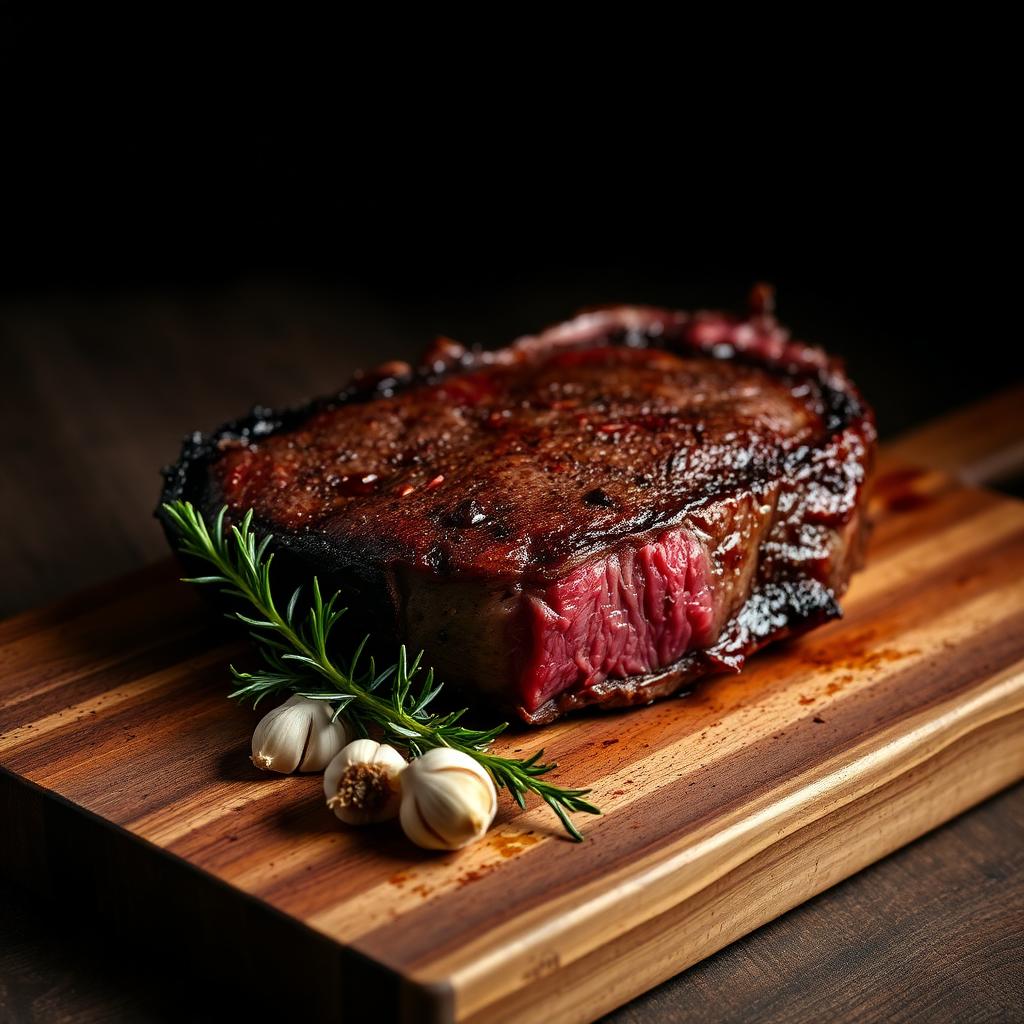
Cook a tomahawk with the reverse sear. Salt it 24 hours ahead, bring it up slowly in a 110 degree Celsius oven until the centre reads 49 degrees, rest for ten minutes, then sear in a screaming hot cast iron pan for one minute a side.
That is the only reliable way I have found to get a deep brown crust and a perfectly pink centre on a piece of meat this thick. A straight high heat sear just chars the outside while the bone area is still raw.
What a tomahawk actually is
A tomahawk is a bone-in ribeye with the rib bone left long and the meat scraped off it (Frenched) for presentation. It is the same cut as a regular ribeye but usually two inches thick and weighing between 900 g and 1.4 kg per steak.
That thickness is the whole challenge. The bone insulates one side and the slab is so deep that traditional steakhouse methods overshoot the outside long before the middle is warm.
Step 1: dry brine the day before
The single biggest upgrade you can make to any thick steak is a 24 hour dry brine. Unwrap the steak, pat it dry, coat every surface heavily with coarse kosher salt, and set it on a wire rack over a tray in the fridge, uncovered, for 24 hours.
The salt pulls moisture to the surface, dissolves into a brine, and is then reabsorbed deep into the muscle. The dry fridge air also desiccates the outside, which gives you a much faster, drier sear the next day.
Step 2: bring it to room temperature
Take the steak out of the fridge at least 90 minutes (two hours for a thick one) before cooking. Starting cold means the centre stalls while the outside cooks. Room temperature meat cooks evenly.
Step 3: low and slow in the oven
Preheat the oven to 110 degrees Celsius (225 Fahrenheit). Sit the steak on a wire rack over a tray and slide it onto the middle shelf with a probe thermometer pushed into the thickest part, away from the bone.
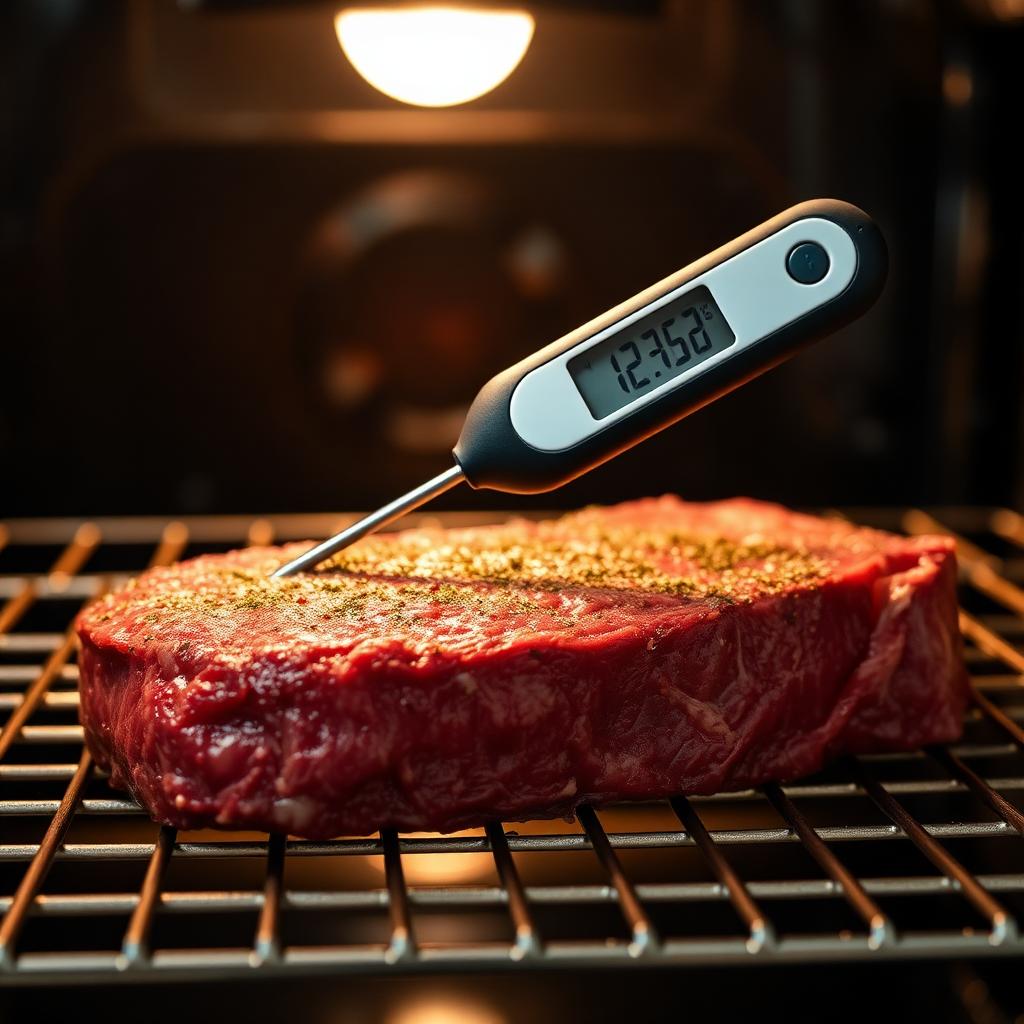
Pull the steak the moment the centre reads the target temperature for your preferred finish. For a 2 inch tomahawk that usually takes 40 to 70 minutes.
- Rare: 43 to 46 degrees C (110 to 115 F)
- Medium rare: 46 to 49 degrees C (115 to 120 F)
- Medium: 52 to 55 degrees C (125 to 130 F)
The numbers are deliberately a few degrees below the classic finished temperatures. The hard sear at the end adds another 3 to 5 degrees.
Step 4: rest before the sear
Take the steak out, leave the probe in, and let it rest uncovered on the counter for ten minutes. The surface needs to dry out before searing or you will steam instead of brown.
Step 5: the high heat sear
Put a heavy cast iron skillet on your hottest burner for at least five minutes. You want it visibly smoking. Add a tablespoon of a high smoke point oil (refined avocado, beef tallow or grapeseed) and immediately lay the steak in.
Sear 60 seconds on the first side, flip with tongs, sear 60 seconds on the second side. Use the tongs to stand the steak on its fat cap for another 30 to 60 seconds so that strip of fat renders and browns too.
In the last 30 seconds drop in a generous knob of butter, a smashed garlic clove and a rosemary sprig. Tilt the pan and spoon the foaming brown butter over the meat continuously. This is the basting step and it is what builds the colour from light tan to deep mahogany.
Step 6: rest again, then slice
Move the steak to a board and rest it for five more minutes. The internal temperature will climb a few degrees and the juices will redistribute. Slice off the bone first, then cut the eye across the grain into thick fingers.
Common mistakes
Skipping the dry brine. Without it the steak tastes seasoned only on the surface and the crust is weaker.
Probing into the bone. Bone conducts heat differently and gives a false reading. Aim for the thickest fleshy part.
Searing in a pan that is not hot enough. If the steak does not sizzle aggressively the second it hits the pan, wait another two minutes.
Resting too long after the sear. The crust softens. Five minutes is plenty.
Why not just grill it?
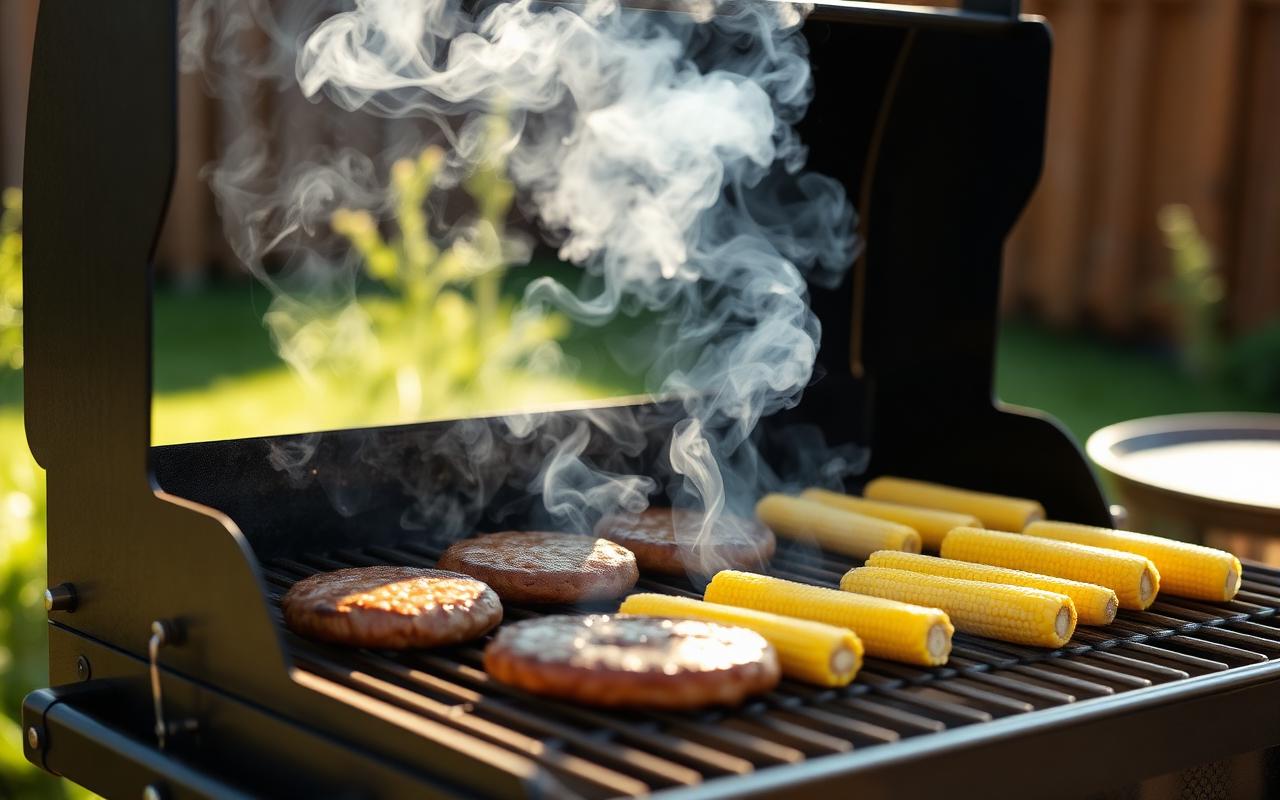
You can. Set up a two zone fire on a kettle or kamado, with all the coals piled to one side. Sit the steak on the cool side with the lid on until the probe hits your target temperature, then slide it over the coals for one minute a side. The principle is identical: gentle heat first, hard sear last.
The takeaway
Tomahawks reward patience. Dry brine for a day, warm gently in the oven to one finger below your finish temperature, rest, then sear in a smoking cast iron pan with butter and rosemary. That sequence delivers edge to edge pink, no grey band and a crust that crackles under the knife.