Quick Answer
Yes, Starbucks decaf coffee still contains a small amount of caffeine. A Grande decaf Pike Place brewed has about 25 mg of caffeine, and each decaf espresso shot carries roughly 10 to 15 mg. Decaffeination removes about 97 percent of the caffeine from the bean, not 100 percent.
For context: 25 mg per Grande decaf is roughly one-twelfth of a regular Grande Pike Place (310 mg). It is enough to matter for someone with a severe medical caffeine restriction, but negligible for most drinkers.
Why decaf is not caffeine-free
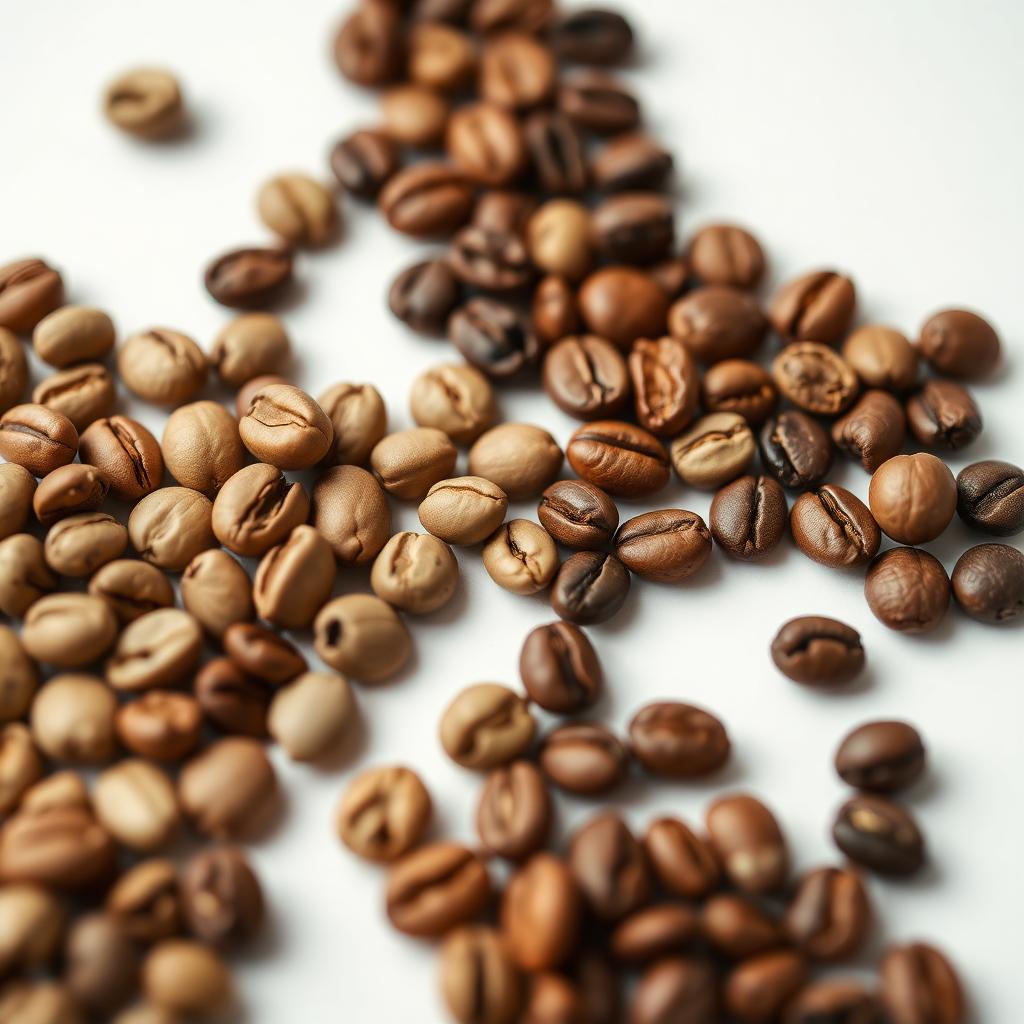
Caffeine molecules are bound into the cellular structure of the coffee bean. Every commercial decaffeination method removes caffeine by soaking green (unroasted) beans and pulling the caffeine into a solvent, but no method achieves 100 percent removal. The US and EU legal standard for "decaffeinated" is at least 97 percent removed, so up to 3 percent of the original caffeine can remain in the bean.
Starbucks primarily uses two decaffeination methods:
- Methylene chloride process (direct solvent): most common for Starbucks decaf coffee. The solvent is removed before roasting and residues are well under FDA limits.
- Swiss Water Process: chemical-free, uses only water and activated charcoal. Used for some Starbucks Reserve and Origin decafs.
Both methods leave a small residual caffeine amount. The specific bean type, roast, and brewing method then determine how much of that residual ends up in your cup.
Starbucks decaf caffeine by drink
| Decaf drink | Size | Caffeine |
|---|---|---|
| Decaf Pike Place brewed | Tall (12 oz) | ~20 mg |
| Decaf Pike Place brewed | Grande (16 oz) | ~25 mg |
| Decaf Pike Place brewed | Venti (20 oz) | ~30 mg |
| Decaf espresso shot | 1 shot | 10-15 mg |
| Decaf latte (2 shots) | Grande | ~20-30 mg |
| Decaf Americano (3 shots) | Grande | ~30-45 mg |
| Decaf latte (3 shots) | Venti iced | ~30-45 mg |
Why brewed decaf has more residual caffeine than espresso decaf
Brewed drip coffee saturates a large basket of grounds for 4 to 6 minutes. That long contact time extracts most of the remaining caffeine trapped in the bean. Espresso runs water through a small puck of grounds for 25 seconds, so less of the residual caffeine makes it into the shot.
Practical takeaway: a decaf Americano (which is water plus decaf shots) is actually lower caffeine per ounce than a decaf brewed coffee.
When 25 mg matters
For most people, 25 mg is negligible. It is roughly:
- Half a cup of home-brewed black tea
- A quarter of a can of Coke
- One square of dark chocolate
The 25 mg residual matters if you are:
- Severely caffeine-sensitive and drinking multiple cups per day (5 decaf Grandes = 125 mg, real physiological effect).
- Managing atrial fibrillation or a specific cardiac condition where your cardiologist has said avoid all caffeine.
- Doing a strict caffeine elimination trial to test whether caffeine is triggering anxiety, insomnia, or migraine.
- Late-evening decaf drinker whose sleep is sensitive; even 25 mg at 9 pm can affect deep sleep phases.
For everyone else
If you switched to decaf because you want to cut down but still enjoy the ritual and flavor of coffee, Starbucks decaf is genuinely a low-caffeine drink. A Grande decaf brewed carries about 8 percent of the caffeine of the regular version. You would need to drink 12 to 15 Grande decafs to match a single Venti Blonde brewed.
Half-caf option
Starbucks does not have a menu "half-caf" but you can build one: order a Grande latte with "one regular shot and one decaf shot." Total caffeine drops from 150 mg to about 85 mg (75 mg regular + 10 mg decaf residual). Same drink, half the buzz. This is a nice mid-afternoon compromise if a full Grande latte keeps you up at night.
Pregnancy and decaf
ACOG allows up to 200 mg of caffeine per day during pregnancy. Any Starbucks decaf drink is safely under that ceiling, even if you drink three or four cups. Some obstetricians recommend limiting even decaf in the third trimester as a precaution, but the residual caffeine is small enough that regular consumption is generally considered safe.
Frequently asked follow-ups
Is Starbucks decaf Swiss Water process?
Some Reserve and Origin decafs are. The mainstream cafe decaf (Pike Place decaf, decaf espresso) primarily uses the methylene chloride process, which is legal and safe under FDA limits.
Does decaf lose flavor?
Slightly. Decaffeinated beans lose some of their volatile aromatic compounds during processing, which is why decaf can taste flatter than regular. Freshness and roast quality matter more with decaf.
Is decaf better for anxiety?
Usually yes. If caffeine is a known anxiety trigger, dropping from 300+ mg to 25 mg per cup is a significant reduction that often quiets symptoms.
Can I order decaf Refreshers or decaf Chai?
No. Refreshers use green coffee extract that cannot be decaffeinated at the store. Starbucks does not carry decaf chai concentrate. For a zero-caffeine option, order an herbal tea (Mint Majesty, Peach Tranquility, or Comfort Wellness Brew).
Bottom line
Starbucks decaf coffee is not 100 percent caffeine-free. A Grande decaf Pike Place brewed carries about 25 mg of residual caffeine, and each decaf espresso shot has 10 to 15 mg. That is roughly 8 percent of the caffeine in a regular cup, negligible for most drinkers, but worth knowing if you have a strict medical caffeine restriction or an ultra-sensitive sleep response. For true zero-caffeine, switch to a Starbucks herbal tea.