Quick Answer
Yes, pasta water thickens sauce. Chefs often call it liquid gold.
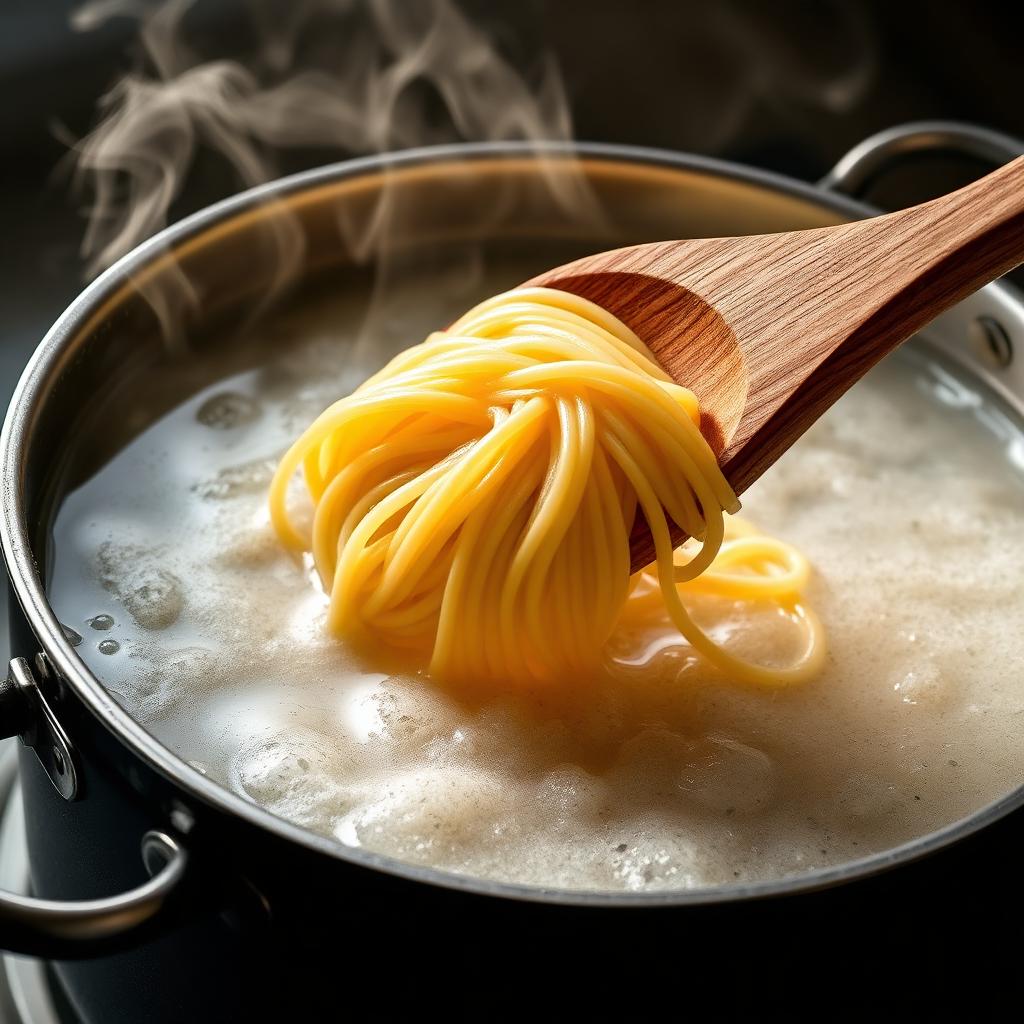
As pasta cooks it releases amylose and amylopectin starches into the boiling water. A splash of that starchy, salty water added to your sauce acts as both a thickener and an emulsifier. It binds fats like olive oil or butter with the liquids, creating a smooth glossy coat that clings to every noodle.
How Pasta Water Actually Thickens a Sauce
The cloudy look of well used pasta water comes from two starch molecules:
- Amylose: a long straight chain starch that traps water and adds body.
- Amylopectin: a branched starch that grabs onto fat molecules and helps form an emulsion.
When you ladle a splash into a hot pan of sauce and toss it with pasta over the heat, those starches do three things at once: they thicken the liquid, they hold fat in suspension instead of letting it separate, and they make the sauce cling to the noodles.
The Right Way to Use Pasta Water
- Salt the pasta water generously (around 10 grams per litre).
- Cook the pasta until just shy of al dente.
- Before draining, scoop one or two cups of the starchy water into a heatproof jug.
- Drain the pasta and immediately drop it into the warm sauce in a wide pan.
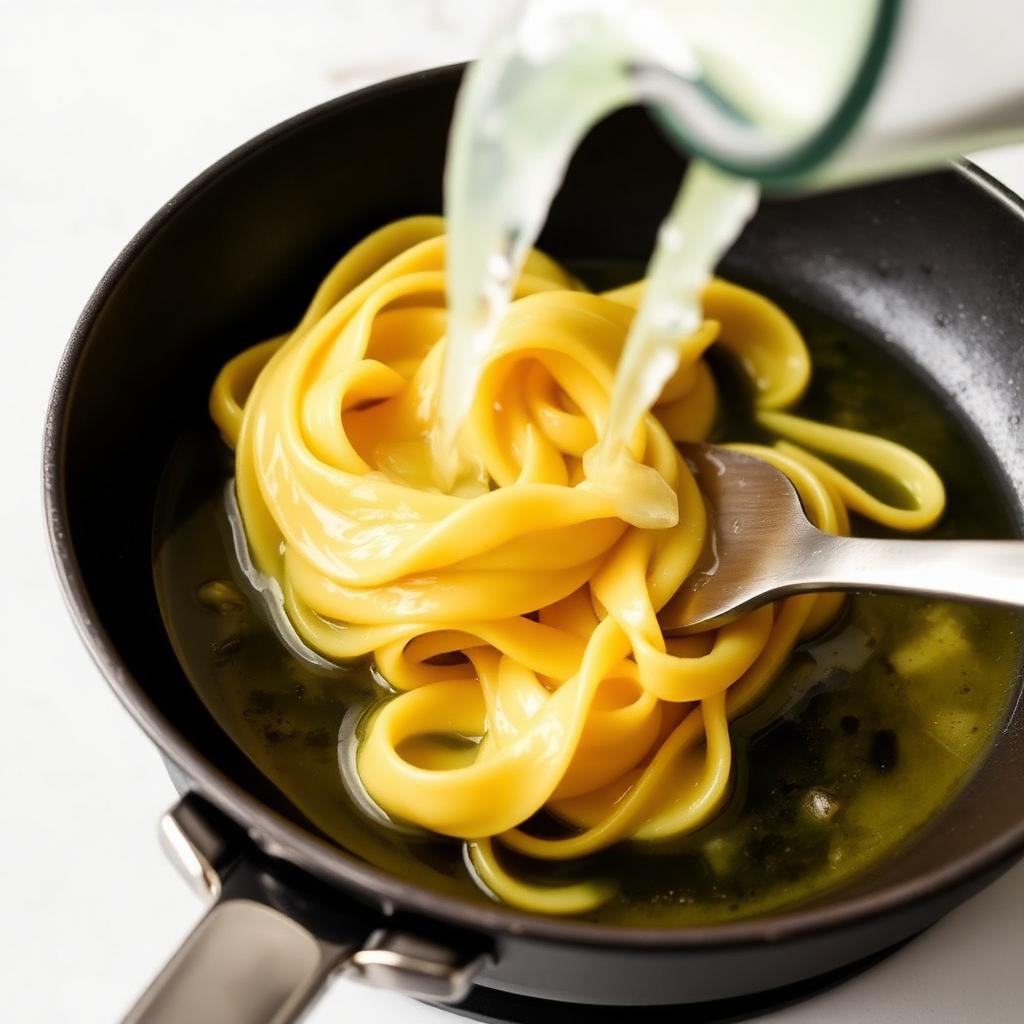
- Add splashes of pasta water and toss vigorously until the sauce glosses up and coats every noodle.
Sauces That Depend on Pasta Water
Some classic Italian sauces only work because of pasta water:
- Cacio e pepe: pasta water bonds pecorino and pepper into a creamy coat without any cream.
- Aglio e olio: pasta water emulsifies olive oil with garlic juices.
- Carbonara: the residual starch helps temper egg yolks into a silky sauce without scrambling.
- Butter based sauces: pasta water lets butter and reduced wine come together into a glossy mounted finish.
How Salty and How Starchy Should Pasta Water Be?
Aim for water that tastes pleasantly salty, not aggressively briny. The longer the pasta has cooked, the more starch the water carries. If you want a more concentrated thickening effect, cook your pasta in slightly less water than usual so the starch ratio rises naturally.
Common Pasta Water Mistakes
- Forgetting to reserve it. Once the pasta is drained, the water is gone. Scoop a cup before draining every single time.
- Adding too much at once. Splash, toss, evaluate, splash again.
- Using cold tap water instead. Cold tap water dilutes and shocks the sauce. Hot starchy water is the only correct choice.
- Skipping the toss in the pan. The starch needs heat and agitation to emulsify the sauce.
Bottom Line
Pasta water absolutely thickens sauce, and it is the single biggest free upgrade home cooks can give their pasta dishes. Reserve a generous cup before draining, add it in small splashes while tossing the pasta in a warm pan of sauce, and stop when the sauce glosses up. That is the difference between a thin watery plate and a restaurant smooth bowl of pasta.
Does Pasta Water Thicken Sauce: Reader Questions
Does pasta water thicken sauce for tomato based dishes?
Yes. A small ladle stirred into a finished tomato sauce while tossing the pasta brings body, glosses up the surface and helps the sauce cling. Add it gradually.
Does pasta water thicken sauce more if you use less cooking water?
Yes. Cooking pasta in slightly less water concentrates the released starch and gives a more powerful thickening splash. Restaurant cooks often use this trick.
Does pasta water thicken sauce when cold?
No. Cold pasta water does not emulsify with fats and can shock the sauce. Always use hot starchy water straight from the pot.
Should I add pasta water at the start or end?
Near the end. Build your sauce, drain the pasta, then add the pasta water as you toss everything together over the heat.
How long does pasta water keep?
Use it within the same cooking session. The starches break down quickly and the water loses its thickening power within a few hours.
Is there a substitute if I forgot to save pasta water?
A small spoon of corn starch slurry can mimic the body, but it cannot replicate the salt or the natural emulsifying action. Just remember to save the water next time.
Final Word on Whether Pasta Water Thickens Sauce
Pasta water thickens sauce because it carries dissolved starch that both binds and emulsifies. Always reserve at least one full cup of starchy water before you drain the pasta, add it in small splashes while tossing the noodles in a wide warm pan of sauce, and stop when the sauce coats the back of a spoon and clings to every strand. It costs nothing, it takes thirty seconds and it is the single biggest upgrade most home cooks can make to their pasta.