Quick Answer
Ring does not manufacture its own deadbolt, but the Works with Ring program supports a wide list of Z-Wave smart locks from brands such as Schlage, Yale, Kwikset and August, plus the Wi-Fi enabled Schlage Encode.
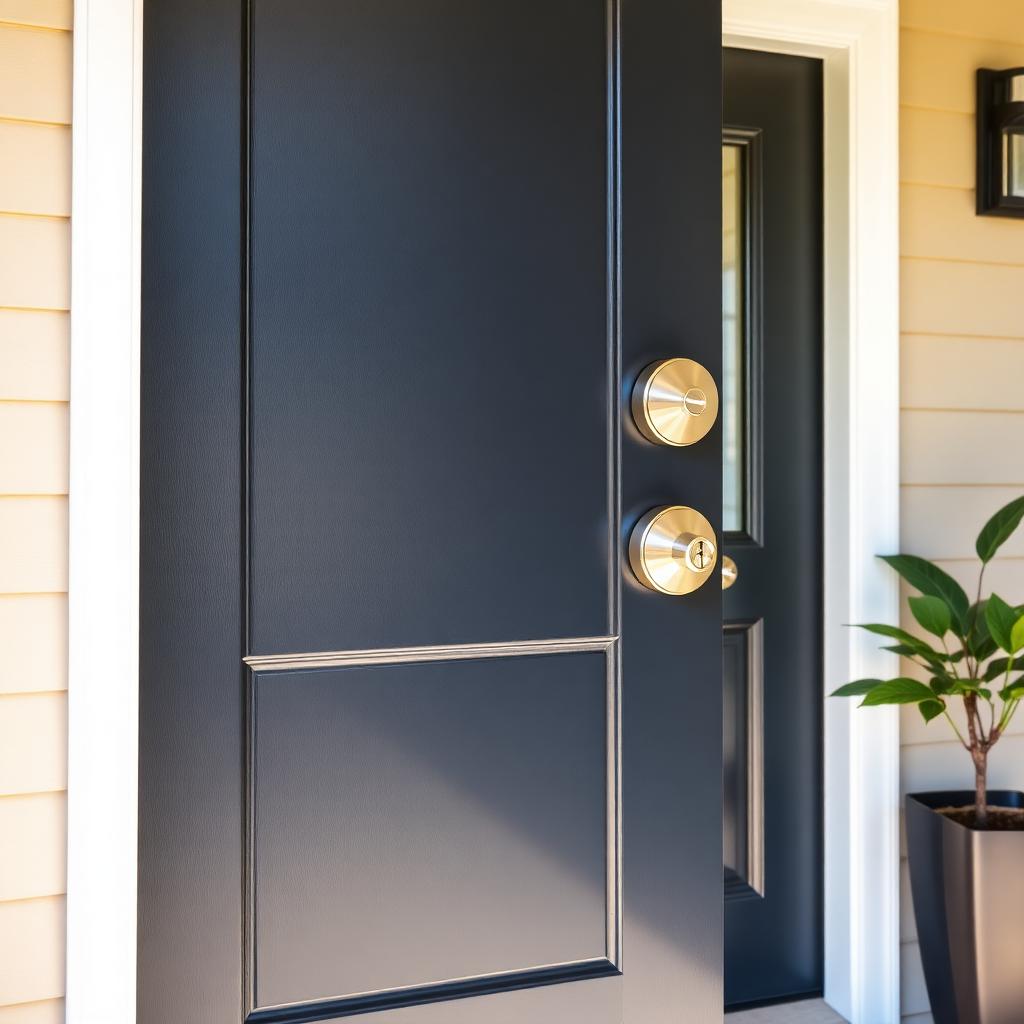
Any door that has been prepped for a standard residential deadbolt with a roughly 54 mm cross bore and a 25 mm edge bore can accept one of these compatible locks. That covers nearly every modern wood, fibreglass and steel residential door in the US and UK.
What it does not cover automatically is glass-only doors, very thin uPVC patio doors, multi-point Euro locks or fully bored commercial doors. For those you usually need either a different lock category or a professional fit.
What Ring Means by "Compatible"
The Works with Ring certification, documented on ring.com, requires an Alarm Base Station because most certified locks talk to the system over Z-Wave rather than directly over Wi-Fi. The Schlage Encode is an exception because it is Wi-Fi native and can integrate with Ring through Amazon Key.
That distinction matters: if you do not own a Ring Alarm Base Station, most certified locks will pair as standalone devices but will not appear inside the Ring app for arm or disarm automations.
Door Types and Whether They Fit
Standard US residential doors with a single-point deadbolt are the easy case. Almost every Works with Ring lock drops straight in.
UK uPVC front doors usually use a multi-point lock with a Euro cylinder. Most Ring-compatible locks do not fit that hardware out of the box. You would need either a multi-point smart lock such as the Yale Conexis, or a Euro cylinder smart upgrade.
Sliding patio doors and full-glass French doors normally cannot take a deadbolt at all, so they fall back to keyless locking bars or simple smart bolts.
Picking a Lock That Actually Pairs
The safest path is to start from the official Works with Ring list and filter to the one or two models that fit your door type and finish. Buying first and hoping it pairs is the most common reason these projects stall.
More Practical Notes on Ring Lock Compatibility
Beyond the headline answer, the real question of do Ring locks work with all doors usually depends on your exact version, hardware, or in-game settings. Game updates, firmware patches and regional release dates all shift the landscape, so treat the guidance here as a starting point and confirm against the official patch notes or product manual before you act on it.
Common Mistakes to Avoid
The single most common mistake on do Ring locks work with all doors is assuming the rule from one platform or one game version carries across to another. Mojang, Roblox, Pearl Abyss and the lock manufacturers all ship breaking changes between updates, and outdated forum posts are everywhere on Google. Always check the publish date on whatever guide you follow.
Quick Recap
To summarise the takeaway on do Ring locks work with all doors: confirm the version or model you are dealing with, follow the documented behaviour above, and only deviate when you have a clear reason and a way to reverse the change. That keeps your base safe in game and your front door safe in real life.
Extra Notes on Ring Lock Door Fit (Part 1)
One subtlety on Ring locks work with doors that most quick summaries skip is platform drift. The exact behaviour described above is correct as of the latest mainstream patch at the time of writing, but every major game and every lock manufacturer ships changes on a quarterly cadence. If you are reading this six months later, scan the official changelog before you trust the steps verbatim.
Another subtlety is local context. A door, lock or in-game base behaves differently in a humid coastal region, on a heavily modded server, or under a specific firmware revision. Whenever a result on Ring locks work with doors surprises you, write down the exact version, hardware revision or world seed you were on. That single note will save hours of debugging later.
Finally, treat any single forum reply as one data point rather than a final answer. The reliable sources for Ring locks work with doors are the official wiki, the manufacturer support portal, or a tested gameplay video published within the last quarter. Cross check at least two of those before changing anything important about your base, lock or door setup.
Measurements to Take Before You Buy
Compatibility comes down to four numbers, and taking them before ordering avoids almost every return.
- Door thickness. Most retrofit smart locks handle 35 to 45 mm. Older solid doors and some fire doors sit outside that range.
- Backset. The distance from the door edge to the centre of the bore, usually 60 or 70 mm in the UK and 2 3/8 or 2 3/4 inches in the US.
- Cross bore diameter. Standard is 54 mm, and a narrower bore needs drilling.
- Cylinder type. Euro profile, oval or rim cylinder, since retrofit units are built for one type only.
Door Types That Cause Trouble
UPVC and composite doors with multipoint locking are the most common failure case, because the handle has to be lifted to throw the hooks before the cylinder will turn. A motorised cylinder cannot lift the handle for you, so you get a lock that turns but does not actually secure the door.
Narrow stile aluminium doors are the other frequent problem, since there is often not enough material for the interior escutcheon. Outward opening doors and doors with heavy weather seals can also bind enough that the motor stalls, which shows up as intermittent jam errors rather than an outright failure.