Quick Answer
Not really, not in the form anyone today would call pasta.
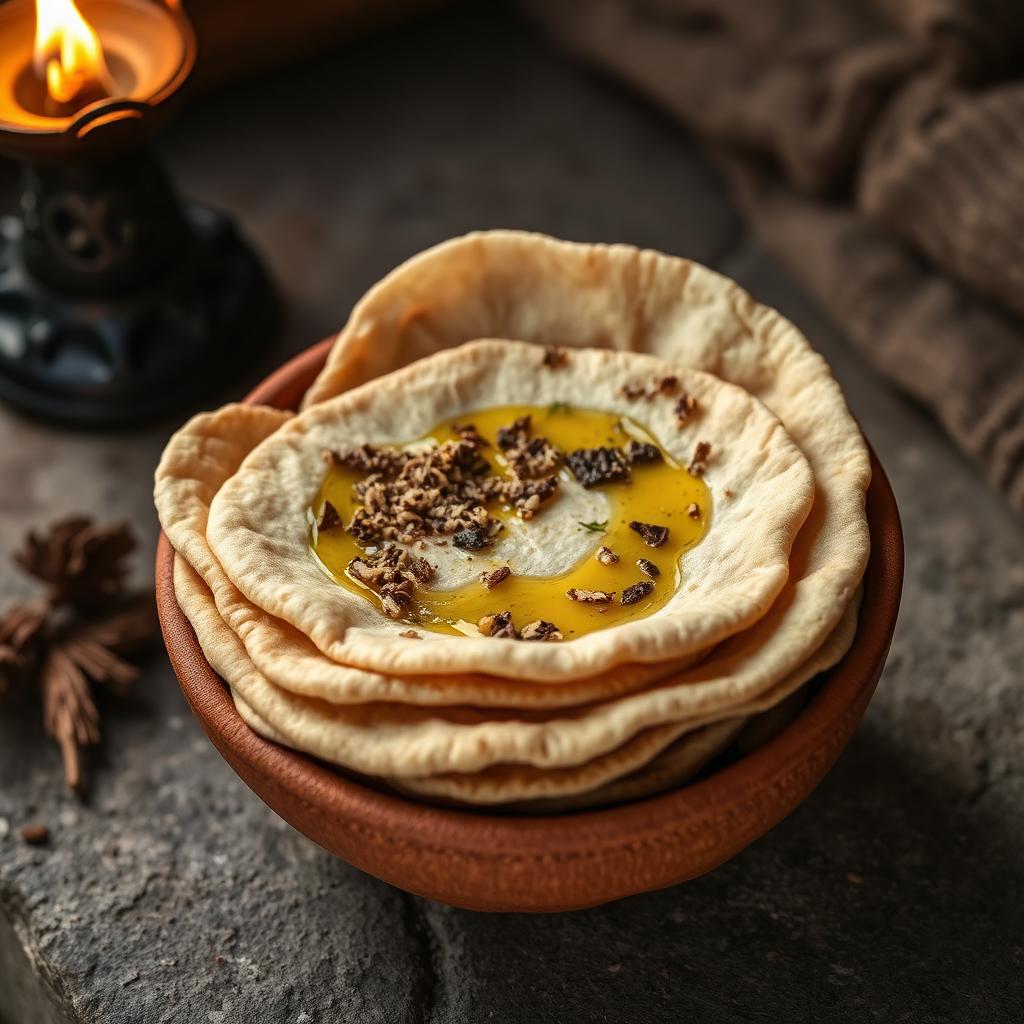
Ancient Romans ate a dish called lagana, made from wide sheets of fried or baked dough of flour and water. It shares a linguistic ancestor with modern lasagna, but it was not boiled in water and certainly not served with tomato sauce. Real boiled dry pasta did not establish itself in Italy until much later, after Arab trade brought new drying and storage techniques to Sicily.
What Lagana Was, and Was Not
Roman writers including Horace, Cicero and the cookbook attributed to Apicius mention lagana. The descriptions paint a consistent picture:
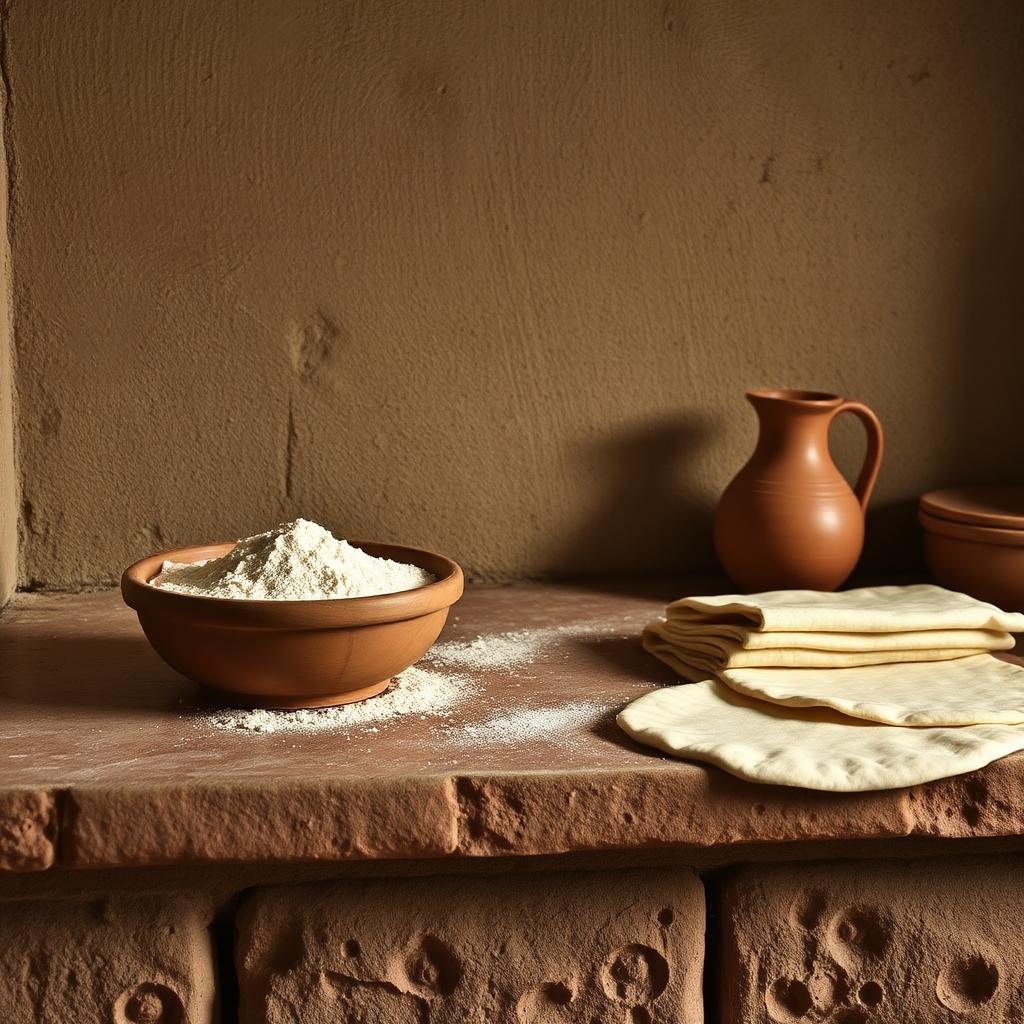
- Flour and water dough rolled into wide thin sheets.
- Either fried in oil or baked over a hot stone or in an oven.
- Served with olive oil, herbs, cheese, vinegar or honey, depending on the recipe.
- Sometimes layered with meat or vegetables, which is the textural ancestor of modern lasagne sheets.
What lagana definitively was not: boiled in salted water, paired with tomato sauce or dried and stored as a shelf stable food. Tomatoes did not arrive in Europe until the 16th century after the Columbian exchange.
Where Boiled Pasta Actually Came From
The shift from baked or fried dough sheets to boiled noodles cooked in water happened gradually after Roman times. Two major influences stand out:
- Arab influence in Sicily (around the 9th to 12th centuries): Arab traders and rulers introduced techniques for drying noodles in the Sicilian sun. The 12th century geographer Al Idrisi described a thriving pasta drying industry in the Sicilian town of Trabia near Palermo as early as 1154 CE.
- Durum wheat cultivation: Sicily and southern Italy proved ideal for durum wheat, the high protein hard wheat that gives dry pasta its bite and storage life.
So Was Pasta Roman or Arab or Italian?
The truthful answer is layered. The word lagana, and through it lasagne, is Latin and Greek. The technique of drying noodles for trade and long storage is Arab in origin. The marriage of durum wheat semolina and slow drying that became the modern dry pasta industry is southern Italian. Pasta as Italians and the world know it today is a synthesis that took roughly a thousand years to develop after the Roman Empire fell.
Did Romans Eat Anything Like Modern Spaghetti?
No. Long, round, boiled noodles are not described in any surviving Roman source. The closest ancient parallel is actually in China, where archaeological evidence at the Lajia site shows wheat and millet noodles being made roughly 4,000 years ago, long before Rome existed.
The Marco Polo Myth
You may have heard that Marco Polo brought pasta back to Italy from China in 1295. This is false. Documents from Genoa and Sicily prove Italian cooks were already making and selling dried pasta long before Polo returned. China and Italy developed noodle cultures independently and in parallel.
Bottom Line
Ancient Romans ate lagana, a fried or baked sheet of flour and water dough, and they used grain heavily in daily cooking. But boiled, sauce dressed pasta as we eat it today is a much later evolution that took shape in medieval Sicily under Arab influence and matured into the durum wheat dry pasta tradition that defines Italian cuisine today.
Did Pasta Exist in Ancient Rome: Reader Questions
Did the Romans eat anything like spaghetti?
No. Long, round, boiled noodles tossed in sauce are not described in any surviving Roman recipe or account. Roman grain cookery centred on bread, gruel, porridge and the sheet dough lagana.
Did pasta exist in ancient Rome under a different name?
The word lagana is the closest Roman relative, and it gave us the word lasagne. But lagana itself was a baked or fried dough sheet, not boiled noodles.
When did pasta become recognisably modern?
The dry durum wheat pasta industry took shape in Arab influenced Sicily by the 12th century. By the 16th and 17th centuries, with the arrival of tomatoes from the Americas, the pairing of pasta and tomato sauce gradually became a southern Italian standard.
Did Romans have tomato sauce?
No. Tomatoes are native to the Americas and only reached Europe after the Columbian exchange in the late 15th and 16th centuries. Roman cuisine relied on garum, olive oil, vinegar, herbs and cheese for flavour.
Why does the Marco Polo pasta myth persist?
It was popularised in a 1929 article in the US Macaroni Journal and repeated in cookbooks for decades before food historians traced and discredited it.
Final Word on Whether Pasta Did Exist in Ancient Rome
Pasta as we know it today did not exist in ancient Rome. Romans ate lagana, a sheet of flour and water dough that was fried or baked, never boiled. The pairing of boiled noodles and tomato sauce that defines modern pasta belongs to a much later era, after Arab influence in Sicily and the arrival of tomatoes from the Americas. Romans contributed the dough and the word lagana that later became lasagne, but not the dish you eat tonight.