Quick Answer
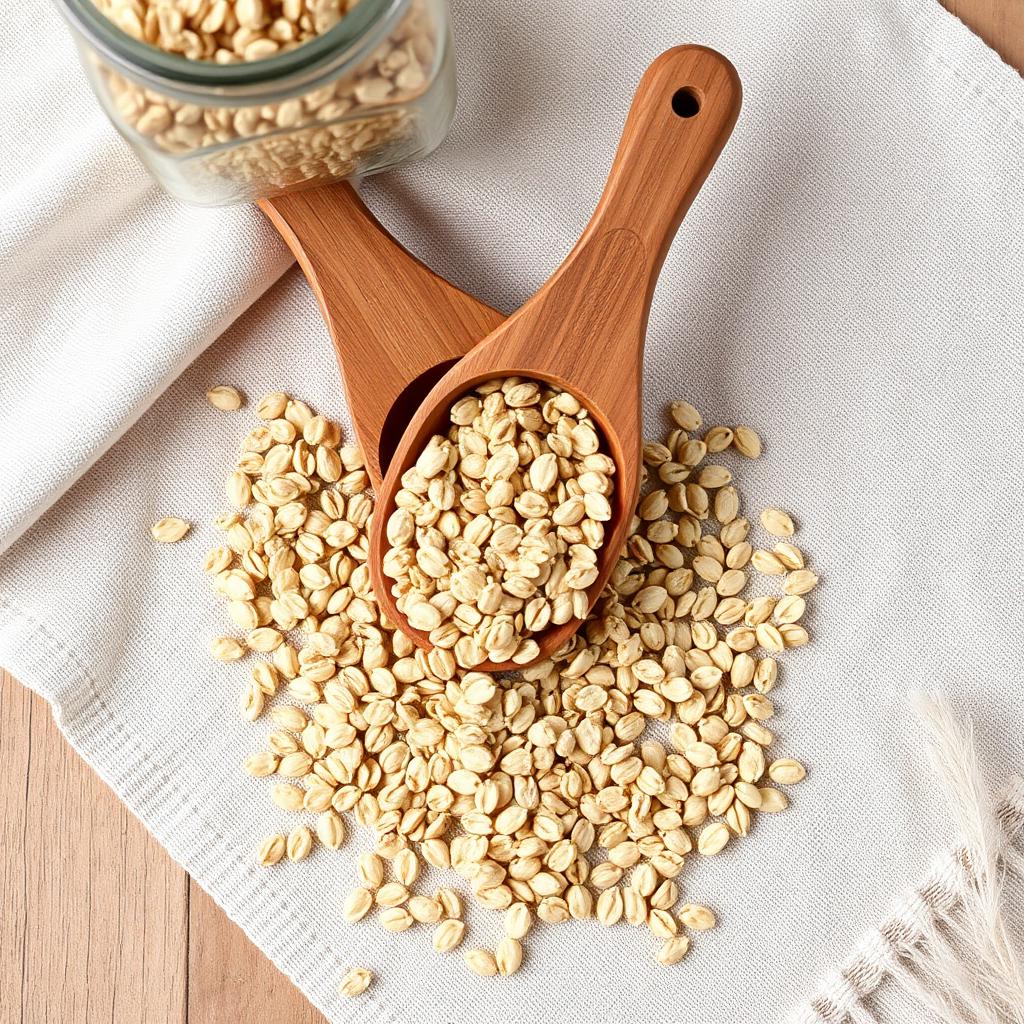
Yes, raw steel cut oats are technically safe to eat. Oats are steam-treated during milling to deactivate enzymes and are considered ready-to-eat. But raw steel cut groats are dense, gritty, and full of phytic acid that binds minerals like iron, zinc and calcium so your body absorbs less of them. Eating them raw is legal, just not a great idea.
Soak the same oats for even 4 to 6 hours in water or plant milk and they become far easier to digest, mineral absorption jumps, and the texture goes from crunchy gravel to soft chew.
What Happens in Your Gut
Raw whole grains carry phytic acid, an "anti-nutrient" that grabs onto dietary minerals in the digestive tract and carries them out unabsorbed. Soaking, sprouting, fermenting or cooking all reduce phytic acid dramatically (often by 40 to 60 percent), which is why every traditional grain culture soaks or ferments before eating.
Signs You Are Overdoing Raw Oats
- Bloating or gas within 1 to 2 hours.
- Constipation from the sudden fibre load.
- Lower iron on blood tests over time if raw oats dominate the diet.
- Jaw and tooth fatigue from constant hard chewing.
Better Ways to Use Raw Steel Cut Oats
- Soaked overnight jars. Same convenience, dramatically better digestion.
- Blended smoothies. A tablespoon of dry steel cut blended for 60 seconds gives fibre without grit.
- Bircher-style muesli. Soak overnight with grated apple, yogurt and cinnamon.
- Sprouted. Rinse and drain twice daily for 2 to 3 days to sprout, then eat or blend.
Frequently Asked Questions
Do steel cut oats need refrigeration once cooked?
Yes. A cooked batch keeps 4 to 5 days in a sealed container in the fridge and freezes well in single portions for up to 3 months.
Can kids eat steel cut oats?
Yes, from around 6 months as a soft porridge, provided they are cooked soft and not seasoned with honey (which is unsafe under 12 months).
Are they better than protein shakes for breakfast?
They complement each other. Oats supply steady carbs and fibre; a shake supplies fast protein. Together they beat either alone for satiety and muscle recovery.
Do steel cut oats spike insulin?
Less than most breakfast cereals. The 55 GI is well below cornflakes (81), instant oats (79) or white toast (75).
Pro Tips
- Salt matters. Cook with a quarter teaspoon of fine sea salt per cup of dry oats. Unsalted oatmeal is the number-one reason people say they "do not like oats".
- Batch on Sunday. One cup dry gives four cups cooked. Divide into four jars, reheat with a splash of milk each morning.
- Toast first. A 2 minute dry toast in the saucepan before adding water triples the depth of flavour.
- Rotate toppings weekly. Bananas Monday, berries Tuesday, apple-cinnamon Wednesday, PB and jam Thursday, savoury egg Friday. Same base, no boredom.
Phytic Acid and Mineral Absorption
Raw oats contain phytic acid, a storage compound that binds iron, zinc and calcium and reduces how much of each you absorb. This is not dangerous, and it is not a reason to avoid oats, but it is the main nutritional argument for soaking or cooking.
Soaking for 12 hours or more, especially with a splash of yogurt, kefir or lemon juice, activates the oat's own phytase enzyme and breaks down a meaningful share of that phytic acid. Cooking does some of the same work through heat.
Digestive Comfort and Portion Size
Uncooked steel cut oats are hard, dense and high in insoluble fibre, so they arrive in the gut mostly intact. For people who are not used to a high fibre breakfast, that often means bloating, cramping or a heavy feeling for a few hours.
If you want the raw texture, keep the portion small at first, around 20 to 30 g dry, and drink water with it. Fibre needs fluid to move, and a dry raw oat bowl with no liquid is the single most common cause of the discomfort people report.
Bottom Line
Steel cut oats are cheap, nutrient-dense and endlessly flexible. Learn one good base recipe, then let toppings do the variety.
Raw Oat Recipes That Actually Work
- Blended smoothie base: 1 tablespoon dry steel cut oats + 1 cup milk + 1 banana + a spoon of nut butter. Blend 60 seconds. No grit.
- Soaked bircher: quarter cup steel cut + half cup grated apple + half cup yogurt + splash of lemon juice. Refrigerate overnight.
- Energy bites: quarter cup dry oats + 2 tablespoons peanut butter + 1 tablespoon honey + optional cocoa. Roll into balls, refrigerate 30 min.
- Sprouted oats: rinse and drain twice daily for 2 to 3 days until small tails appear. Eat within 24 hours, refrigerated.
Who Should Not Eat Raw Oats at All
- Anyone with IBS or diverticulitis - the fibre load is too aggressive.
- Infants and toddlers - choking risk and digestion issues.
- People with iron-deficiency anemia - the phytic acid worsens absorption.
Comparing Raw vs Soaked vs Cooked
Raw steel cut oats retain almost all their fibre but only a fraction of the mineral bioavailability. Soaked oats unlock 40 to 60 percent more absorbable iron, zinc and calcium. Cooked oats gain the highest bioavailability plus the softest digestion. If you are eating oats for nutrition and not just fibre bulk, the extra step to soak is easily worth it.
People who add oats to smoothies for texture rather than nutrition can safely stick with a spoonful of dry oats, since the volume is too small to meaningfully affect mineral status.