Quick Answer
No, they are not the same product. Both begin as the same raw oat groat (the whole hulled oat kernel), but the processing splits into two very different foods. Steel cut oats are groats chopped with a steel blade into two or three pieces; rolled oats are groats first steamed, then flattened with a heavy roller, then dried.
That single difference in processing changes the cook time, texture, glycemic index and best culinary use, even though the underlying grain is identical.
The Oat Processing Family
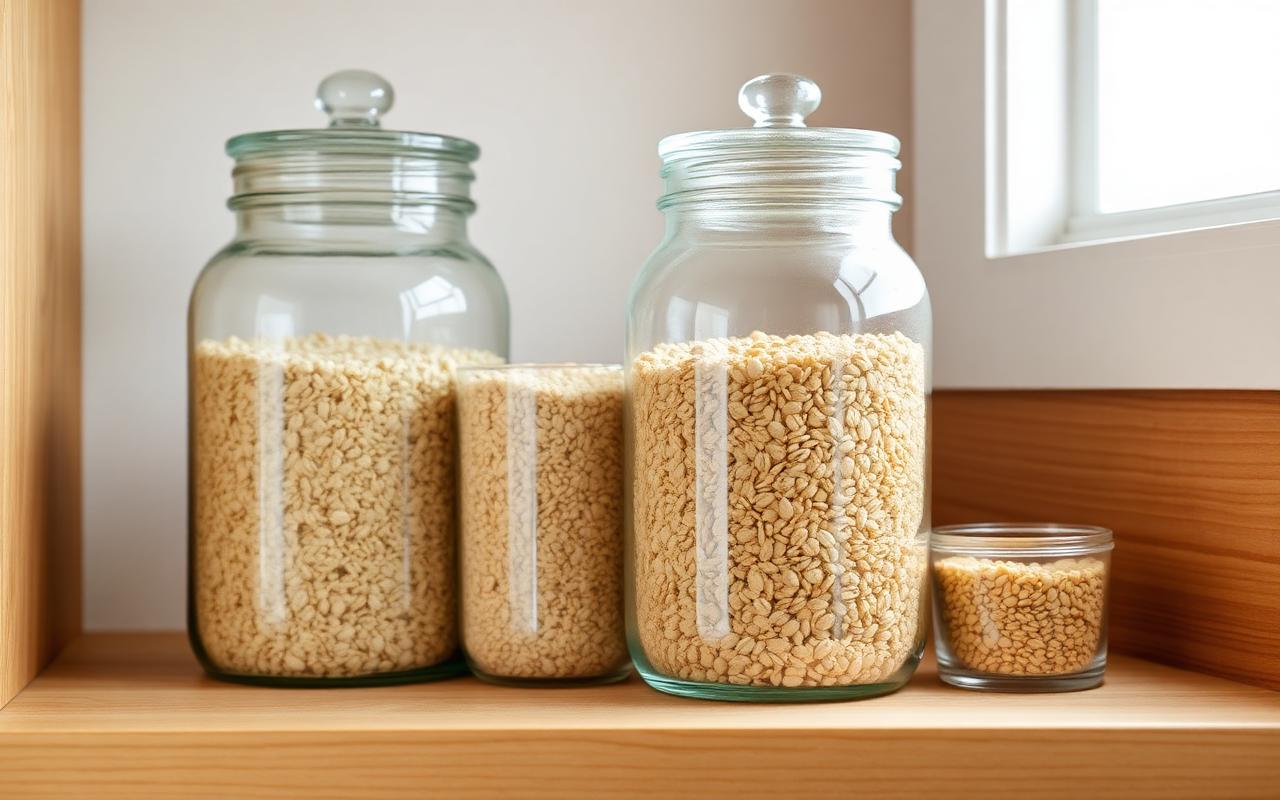
- Oat groat: the whole hulled kernel. Chewy, cooks in 45 to 60 minutes.
- Steel cut / Irish / pinhead oats: groat chopped into 2 to 3 pieces. Cooks in 20 to 30 minutes.
- Old-fashioned rolled oats: groat steamed and rolled to about 0.5 mm thick. Cooks in 5 minutes.
- Quick oats: rolled oats rolled thinner and pre-cut. Cooks in 1 to 2 minutes.
- Instant oats: pre-cooked, dried, then rolled and cut. Needs only hot water.
- Scottish oats: groats ground into a coarse meal. Cooks in about 10 minutes and gives a creamier porridge.
Which Form to Buy?
- Slowest, chewiest, lowest GI: steel cut.
- Fastest weekday breakfast, best for baking: old-fashioned rolled.
- Best for overnight oats: old-fashioned rolled.
- Traditional Scottish porridge: Scottish oats or steel cut.
Can I Substitute One for the Other?
Not one-for-one. Rolled oats absorb liquid quickly and cook fast; steel cut absorb slowly and stay firm. In baking, replacing rolled with steel cut leaves you with hard, gritty cookies. In stovetop porridge, replacing steel cut with rolled cuts the time by 80 percent but changes the texture completely.
Frequently Asked Questions
Can I eat steel cut oats every day?
Yes. Harvard's Nutrition Source lists oats as one of the best whole grains to eat daily, thanks to their beta-glucan fibre. Rotate toppings so you do not get bored, and vary the fruit for different vitamins.
Do steel cut oats need to be soaked?
Not required, but a 6 to 12 hour overnight soak cuts stovetop time from 25 minutes to about 10 and softens the phytic acid, which can slightly improve mineral absorption.
Are they safe during pregnancy?
Yes. Oats are fibre-rich, iron-friendly and a common obstetric recommendation for constipation and steady energy. Choose certified gluten-free if you have celiac disease.
Do they go bad?
Dry, unopened steel cut oats keep 12 to 24 months in a cool pantry. Once cooked, refrigerate up to 5 days or freeze in portions for up to 3 months.
Pro Tips
- Toast first. Dry-toast the raw groats in the saucepan for 2 to 3 minutes before adding liquid. It deepens the nutty flavour and is the single biggest upgrade you can make.
- Salt the water. A quarter teaspoon of salt per cup of oats fixes the "bland cardboard" complaint most people have with plain oatmeal.
- Batch cook Sunday. Cook a full cup dry (yields about 4 cups cooked), portion into jars, and reheat with a splash of milk each morning.
- Do not stir constantly. Unlike rolled oats, steel cut oats keep their chew when left mostly alone. Over-stirring makes them gummy.
Bottom Line
Steel cut oats are one of the least processed, most affordable whole grains you can put in a bowl. They are worth the extra cooking time on days you have it, and worth batch cooking on days you do not.
A Quick History of Oat Processing
Traditional Scottish and Irish porridge used stone-ground or blade-cut oats for centuries, giving the chewy texture we now call "steel cut". Rolled oats were invented in the US in the 1870s when Quaker began steaming and flattening groats to cut the 45 minute cook time down to something workable for a factory-shift breakfast. Instant oats arrived in the 1960s. Every step traded texture and glycemic response for speed.
Substituting in Recipes
Overnight oats need rolled - steel cut stay hard. Cookies need rolled - steel cut leave gritty bits. Meatloaf and veggie burger binders work with either but rolled bind better. Homemade granola clusters need rolled for the crisp shard structure. If a recipe just says "oats", assume rolled.
Price Comparison (2026 US Averages)
- Old-fashioned rolled, 42 oz canister: 4 to 6 USD.
- Steel cut, 2 lb bag: 4 to 7 USD.
- Organic steel cut, 2 lb bag: 6 to 9 USD.
- Certified GF steel cut, 2 lb bag: 7 to 11 USD.
Which Should Beginners Buy First?
Rolled. The 5 minute cook time removes the biggest excuse to skip breakfast. Once the habit is built, add a bag of steel cut for weekend batches.
Cooking Notes for Each Type
Steel cut want a 3:1 or 4:1 liquid-to-oat ratio and a long, slow simmer. Rolled want 2:1 and a 5 minute simmer. Instant want 1:1 hot water and no heat at all. Getting the ratio wrong is why most home cooks think one type "does not work" - it does, they were just following the wrong instructions.