Quick Answer
On a strict blood-sugar and satiety metric, yes: steel cut oats have a lower glycemic index (about 55 vs 63) and slightly more fibre per cooked cup than old-fashioned rolled oats. On heart health, cholesterol reduction and overall diet quality, both are essentially equivalent because they contain the same beta-glucan soluble fibre.
The FDA-approved heart-health claim on oats (3 grams of beta-glucan per day may help lower LDL cholesterol) applies to both forms equally.
The Glycemic Response
Because steel cut oats are less processed and have a larger particle size, they take longer for digestive enzymes to break down. That slows glucose release into the bloodstream and produces a flatter blood sugar curve. Studies published in the Journal of Nutrition and reviewed by Harvard's Nutrition Source consistently show a lower postprandial insulin spike with less processed oats.
Fibre and Satiety
- Fibre: 5 g per cooked cup steel cut vs 4 g rolled.
- Beta-glucan: roughly 2 g per half-cup dry, both forms.
- Fullness: steel cut wins by 30 to 60 minutes on average per bowl.
What About Rolled Oats?
Do not dismiss rolled. They still qualify as a whole grain, still deliver the FDA heart-health beta-glucan, and are easier to eat consistently because of the 5 minute cook time. Consistency beats optimisation in nutrition science.
Where Steel Cut Genuinely Wins
- Type 2 diabetes management: flatter glucose curve is clinically useful.
- Weight management via satiety: longer fullness reduces snacking.
- Athletes needing slow-release fuel: better for pre-endurance breakfasts.
Where the Difference Is Negligible
- Cholesterol: same beta-glucan, same effect.
- Micronutrients: both hold onto B vitamins, magnesium and iron well.
- Baking: rolled works, steel cut does not, so this is a wash.
Frequently Asked Questions
Can I eat steel cut oats every day?
Yes. Harvard's Nutrition Source lists oats as one of the best whole grains to eat daily, thanks to their beta-glucan fibre. Rotate toppings so you do not get bored, and vary the fruit for different vitamins.
Do steel cut oats need to be soaked?
Not required, but a 6 to 12 hour overnight soak cuts stovetop time from 25 minutes to about 10 and softens the phytic acid, which can slightly improve mineral absorption.
Are they safe during pregnancy?
Yes. Oats are fibre-rich, iron-friendly and a common obstetric recommendation for constipation and steady energy. Choose certified gluten-free if you have celiac disease.
Do they go bad?
Dry, unopened steel cut oats keep 12 to 24 months in a cool pantry. Once cooked, refrigerate up to 5 days or freeze in portions for up to 3 months.
Pro Tips
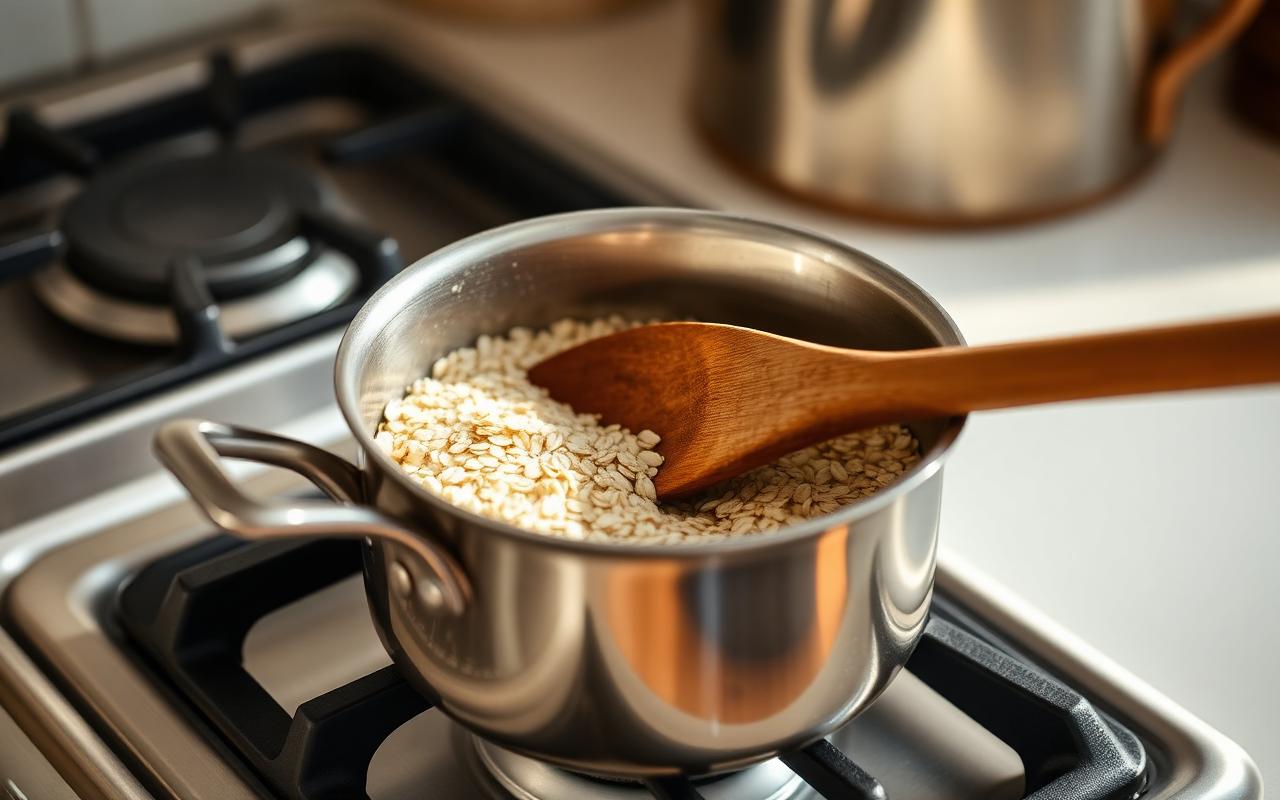
- Toast first. Dry-toast the raw groats in the saucepan for 2 to 3 minutes before adding liquid. It deepens the nutty flavour and is the single biggest upgrade you can make.
- Salt the water. A quarter teaspoon of salt per cup of oats fixes the "bland cardboard" complaint most people have with plain oatmeal.
- Batch cook Sunday. Cook a full cup dry (yields about 4 cups cooked), portion into jars, and reheat with a splash of milk each morning.
- Do not stir constantly. Unlike rolled oats, steel cut oats keep their chew when left mostly alone. Over-stirring makes them gummy.
Bottom Line
Steel cut oats are one of the least processed, most affordable whole grains you can put in a bowl. They are worth the extra cooking time on days you have it, and worth batch cooking on days you do not.
A Note on Cholesterol Claims
The FDA heart-health claim on oat products requires 3 grams of beta-glucan soluble fibre daily. A quarter cup dry of either steel cut or rolled delivers about 2 grams, so a typical breakfast bowl gets you two-thirds of the way there. That is why nutritionists often suggest a second oat-based snack (oat granola, oat crackers) later in the day for people specifically targeting LDL reduction.
What Recent Meta-Analyses Show
2020s meta-analyses in the American Journal of Clinical Nutrition consistently find beta-glucan intake of 3 g/day lowers LDL by roughly 5 to 7 percent. The effect is the same whether the beta-glucan comes from steel cut, rolled or oat bran, which reinforces that the health benefit is about the fibre, not the shape of the oat.
Practical Weekly Plan
A realistic weekly rhythm: cook a batch of steel cut on Sunday for weekday grab-and-go breakfasts, and keep a canister of rolled for baking, overnight jars and busy mornings. That mix captures the low-GI edge where it helps most (weekday breakfasts) without sacrificing the versatility that makes rolled oats so useful the rest of the week.
Special Populations
Athletes tolerating higher carb loads may prefer steel cut for slower fuel release before endurance sessions. Older adults with reduced chewing or swallowing capacity often do better with rolled or Scottish oats because of the softer texture. Kids typically prefer rolled because of the creamier mouthfeel; forcing steel cut on a resistant child rarely lasts.
The Simple Takeaway
Both are healthy. Steel cut has a slight edge on GI and satiety. Rolled has a big edge on convenience and versatility. The healthiest oat is the one that becomes a daily habit.