Quick Answer
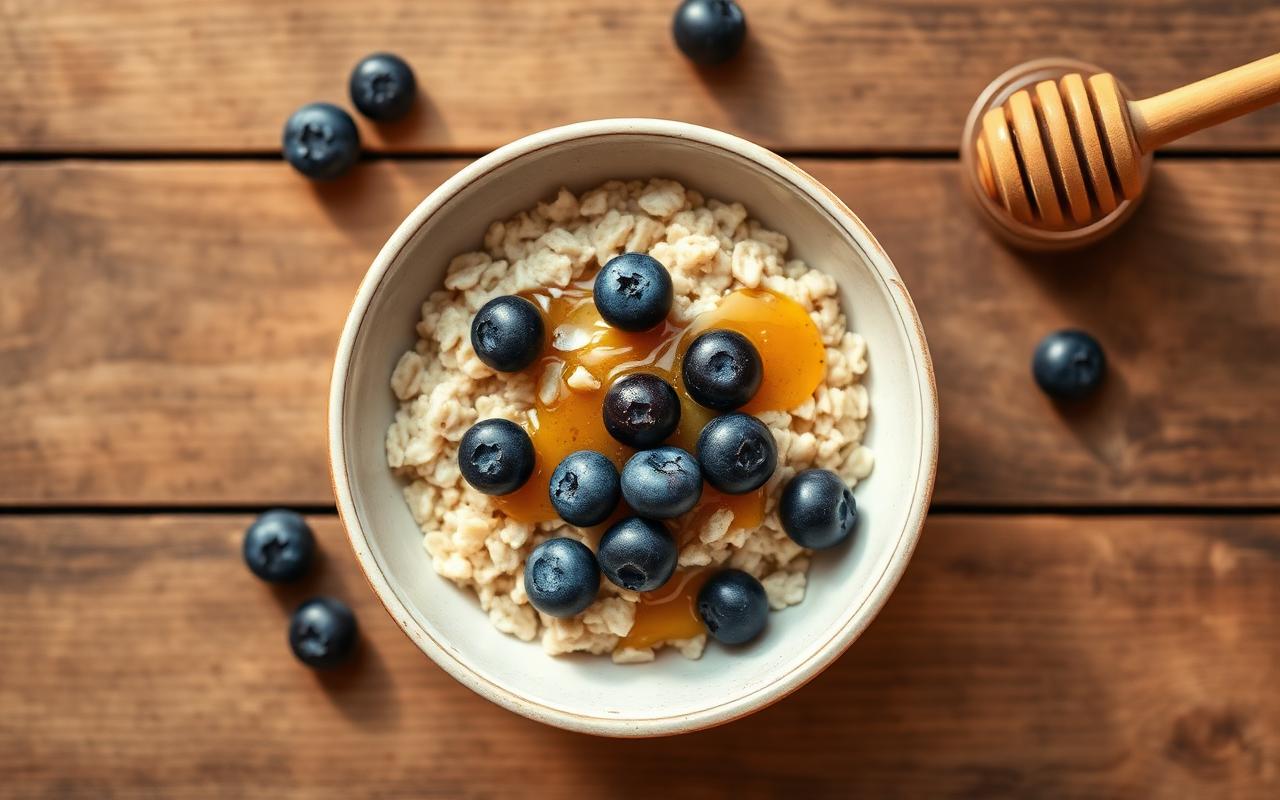
Yes. Steel cut oats (also called Irish or pinhead oats) are one of the least processed whole grains you can buy. A quarter-cup dry serving delivers about 150 calories, 5 grams of protein, 27 grams of complex carbs and 4 grams of fibre, including roughly 2 grams of beta-glucan (the soluble fibre the FDA allows to carry a heart-health claim).
They are simply oat groats chopped into two or three pieces with a steel blade, with no rolling, steaming or pre-cooking. That minimal processing is why they cook the longest and score the lowest on the glycemic index of any common oat form.
The Documented Health Benefits
- Cholesterol. The FDA allows an oats health claim: 3 grams of beta-glucan daily can lower LDL cholesterol, backed by more than 40 clinical trials.
- Blood sugar. Their low glycemic index (about 55 vs 79 for instant oats) means slower, steadier glucose response.
- Gut health. Beta-glucan ferments in the colon and feeds beneficial bacteria that produce short-chain fatty acids.
- Satiety. The high fibre and slow digestion keep hunger down 3 to 4 hours longer than refined cereal.
What They Are Not
Not a weight-loss miracle. Not a cure. Not automatically low calorie once you add butter, sugar and toppings. A restaurant "steel cut" bowl with brown sugar, cream and dried fruit can hit 600 calories fast.
How Much Is a Healthy Portion?
A quarter-cup dry (roughly 40 grams) yields about a cup cooked, which is one adult serving. Two servings per day is normal in oat-heavy diets; more than that starts pushing daily fibre past comfortable digestion for people not used to it.
Frequently Asked Questions
Can I eat steel cut oats every day?
Yes. Harvard's Nutrition Source lists oats as one of the best whole grains to eat daily, thanks to their beta-glucan fibre. Rotate toppings so you do not get bored, and vary the fruit for different vitamins.
Do steel cut oats need to be soaked?
Not required, but a 6 to 12 hour overnight soak cuts stovetop time from 25 minutes to about 10 and softens the phytic acid, which can slightly improve mineral absorption.
Are they safe during pregnancy?
Yes. Oats are fibre-rich, iron-friendly and a common obstetric recommendation for constipation and steady energy. Choose certified gluten-free if you have celiac disease.
Do they go bad?
Dry, unopened steel cut oats keep 12 to 24 months in a cool pantry. Once cooked, refrigerate up to 5 days or freeze in portions for up to 3 months.
Pro Tips
- Toast first. Dry-toast the raw groats in the saucepan for 2 to 3 minutes before adding liquid. It deepens the nutty flavour and is the single biggest upgrade you can make.
- Salt the water. A quarter teaspoon of salt per cup of oats fixes the "bland cardboard" complaint most people have with plain oatmeal.
- Batch cook Sunday. Cook a full cup dry (yields about 4 cups cooked), portion into jars, and reheat with a splash of milk each morning.
- Do not stir constantly. Unlike rolled oats, steel cut oats keep their chew when left mostly alone. Over-stirring makes them gummy.
Bottom Line
Steel cut oats are one of the least processed, most affordable whole grains you can put in a bowl. They are worth the extra cooking time on days you have it, and worth batch cooking on days you do not.
Steel Cut vs Other Whole Grains
- Quinoa: higher protein (8 g per cooked cup vs 6 g), similar fibre, complete amino acid profile, roughly triple the price.
- Brown rice: lower fibre (3 g), higher GI (about 68), cheaper per pound.
- Barley: highest beta-glucan of any grain (about 6 g per cup dry), lower GI than oats, but not gluten free.
- Buckwheat: gluten free, similar protein, similar fibre, distinct earthy flavour.
Steel cut oats sit at the value sweet spot: cheap, high fibre, low GI, and easy to batch cook.
Common Myths to Ignore
"Steel cut oats have more protein" - false, same per gram as rolled. "Steel cut oats detox your body" - false, no food "detoxes" anything; your liver does that. "Steel cut oats cause weight loss" - only via satiety, not any special mechanism. The real benefits are boring and well documented: fibre, beta-glucan, low GI, sustained energy.
Environmental Footprint
Oats are one of the lower-impact grains to grow. They need less nitrogen fertiliser than wheat, less water than rice, and their rotation improves soil structure for the next crop. Choosing a bag of steel cut oats over animal-protein breakfast options is one of the simpler dietary swaps for reducing food-related emissions.
Cost per Serving
A two-pound bag of steel cut oats runs 4 to 7 USD at most US grocers and yields roughly 20 servings, which works out to 20 to 35 cents per bowl before toppings. That is 10 percent of the cost of a coffee-shop oat bowl and cheaper per gram of protein than most breakfast cereals.