Quick Answer
No, pasta sauce and tomato sauce are not the same product.
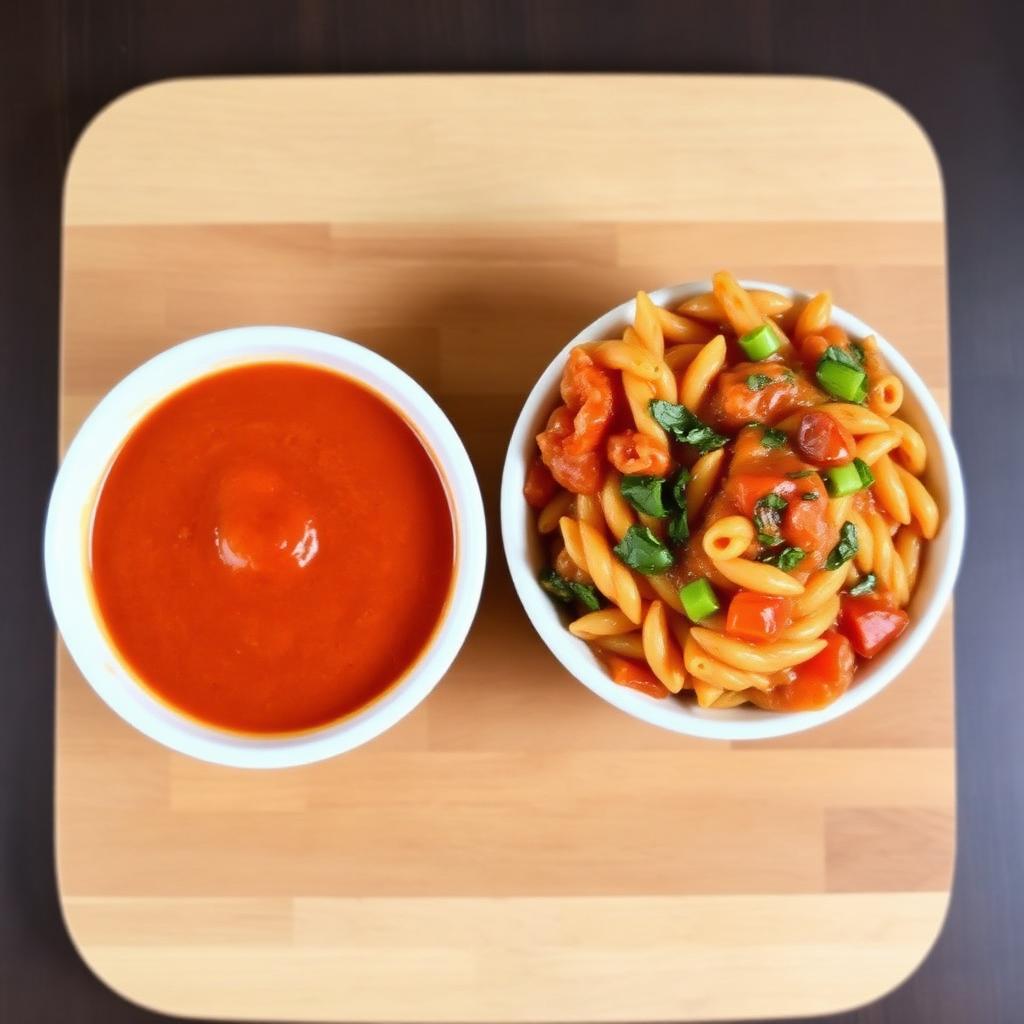
Tomato sauce is a plain, pureed tomato base used as an ingredient in chillis, stews, soups and homemade sauces. Pasta sauce is a finished, seasoned condiment built around tomatoes but layered with oil, garlic, herbs and often vegetables or meat, ready to heat and pour straight over noodles.
Side by Side Comparison
- Ingredients: plain tomato sauce is pureed tomatoes, a little salt and sometimes a touch of citric acid as a preservative. Pasta sauce adds olive oil, garlic, onion, basil, oregano and frequently sugar, vegetables or meat.
- Texture: plain tomato sauce is smooth and pourable. Pasta sauce is thicker, glossier and often chunkier.
- Flavour: plain tomato sauce is acidic, neutral and one note. Pasta sauce is layered, savoury and aromatic.
- Sodium: plain tomato sauce is low sodium. Most jarred pasta sauces are noticeably saltier.
- Use case: tomato sauce is a building block. Pasta sauce is a finished dish.
Why the Names Get Confused
The confusion is regional. In the United States, the canned product labelled "tomato sauce" is a thin, lightly seasoned puree from brands like Hunt's or Contadina. In the United Kingdom, "tomato sauce" usually means ketchup on a chip shop counter. In Italy, "salsa di pomodoro" can mean either a simple cooked tomato preparation or a full pasta sauce depending on context. So every cuisine uses the term slightly differently, which is exactly why jarred pasta sauces are now usually labelled as pasta sauce, marinara, or arrabbiata to remove the ambiguity.
Can You Swap One for the Other?
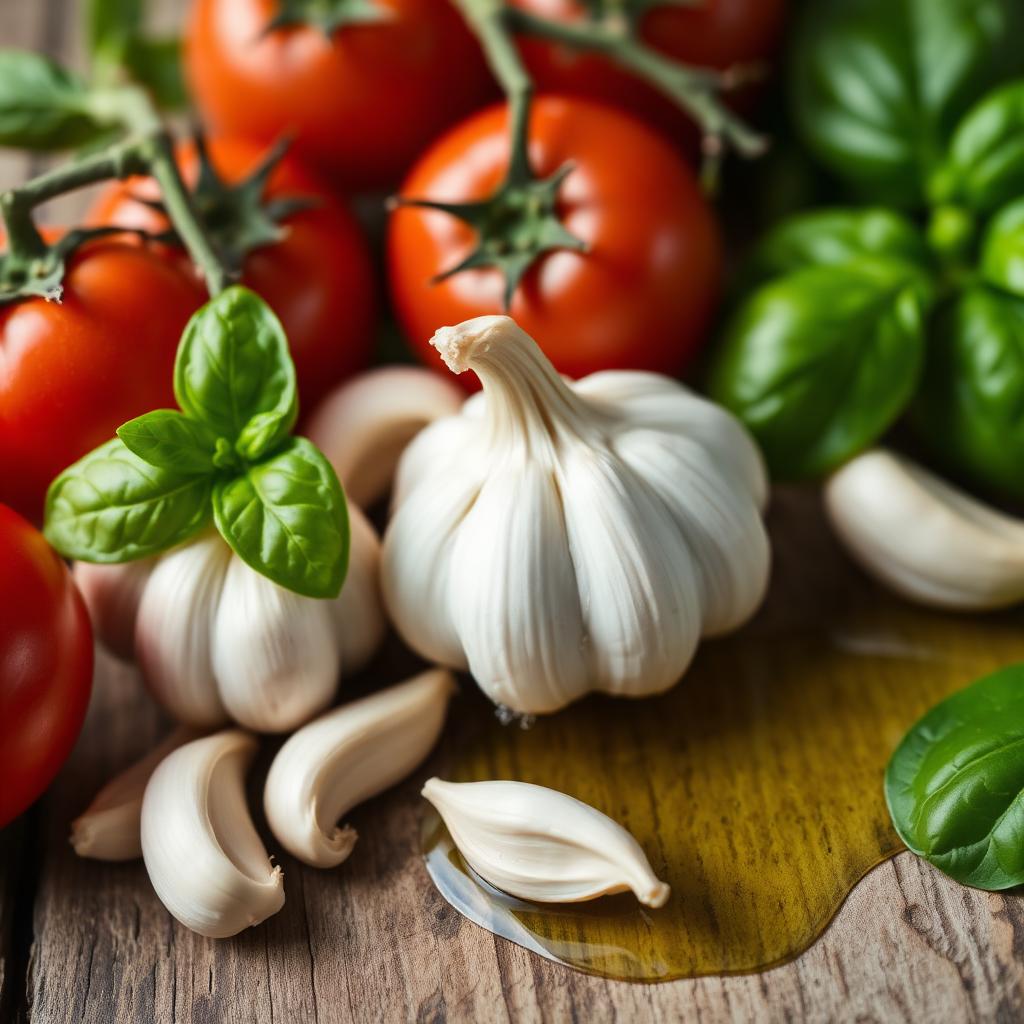
- Tomato sauce in place of pasta sauce: only if you add oil, garlic, herbs, salt and time. Otherwise the result tastes flat and watery.
- Pasta sauce in place of tomato sauce: usually fine in chillis, stews and soups, but you may need to reduce added salt and herbs because the pasta sauce brings its own.
Bottom Line
Tomato sauce is the unseasoned base. Pasta sauce is the seasoned finished product. They live in the same aisle and look broadly similar, but they are designed for different jobs in the kitchen. Read the label before you swap them, especially for salt and herbs already in the jar.
Pasta Sauce and Tomato Sauce: Frequently Asked Questions
Are pasta sauce and tomato sauce the same thing?
No. Tomato sauce is a base ingredient. Pasta sauce is a finished sauce built on a tomato base with garlic, herbs, olive oil and often onion.
Can I substitute tomato sauce for pasta sauce?
Yes, but you must build flavour. Saute garlic in olive oil, add the tomato sauce, simmer with dried oregano and basil, and finish with salt and a pinch of sugar.
Is canned tomato sauce the same as passata?
Close but not identical. Passata is uncooked strained tomatoes. American style tomato sauce is lightly cooked and seasoned.
What about ketchup, is that a tomato sauce?
In the UK ketchup is called tomato sauce in casual speech, but for cooking it is not interchangeable. It is sweet and vinegar heavy.
Which is healthier, tomato sauce or pasta sauce?
Plain tomato sauce is lower in calories and sodium. Pasta sauce often adds olive oil, sugar and salt during finishing.
Can I freeze leftover pasta sauce?
Yes. Cool it fully, freeze in portions, and use within three months for best flavour.
Buying and Storing Sauce: More Reader Questions
How do I read a sauce label?
Look for tomatoes as the first ingredient, salt under 400 mg per half cup, and no added sugar in the first three ingredients.
Are organic pasta sauces worth it?
Often yes for flavour because organic tomatoes are picked riper, but nutritionally the difference is small.
How long does opened pasta sauce keep?
Five to seven days refrigerated in a sealed jar. Freeze for up to three months.
Can I cook fresh tomatoes into pasta sauce?
Yes. Score, blanch, peel, then simmer with garlic and olive oil for 30 minutes.
Is tomato passata the same as tomato sauce?
Passata is closer to pure strained tomatoes. American tomato sauce is lightly cooked and seasoned.
One More Note on Sauce Choices
When you only have time for one bottle in the cupboard, choose a thick, well seasoned pasta sauce rather than a plain tomato sauce. It is easier to thin a thick sauce with a splash of pasta water than it is to thicken a runny one without losing the bright flavour. A good jar plus a clove of garlic, a glug of olive oil, and a handful of basil is dinner in fifteen minutes.
If you want to keep both, store the plain tomato sauce as your base for chilli, shakshuka, soup, and curry, and reserve the finished pasta sauce for pasta night. They are different tools and they each earn their shelf space when you use them for what they are best at.
Finally, taste the difference yourself. Open a jar of each, spoon a little onto bread, and compare. Your palate will remember the contrast far better than any written description, and you will shop with more confidence next time.