Quick Answer
No, marinara is a specific sub category of pasta sauce.
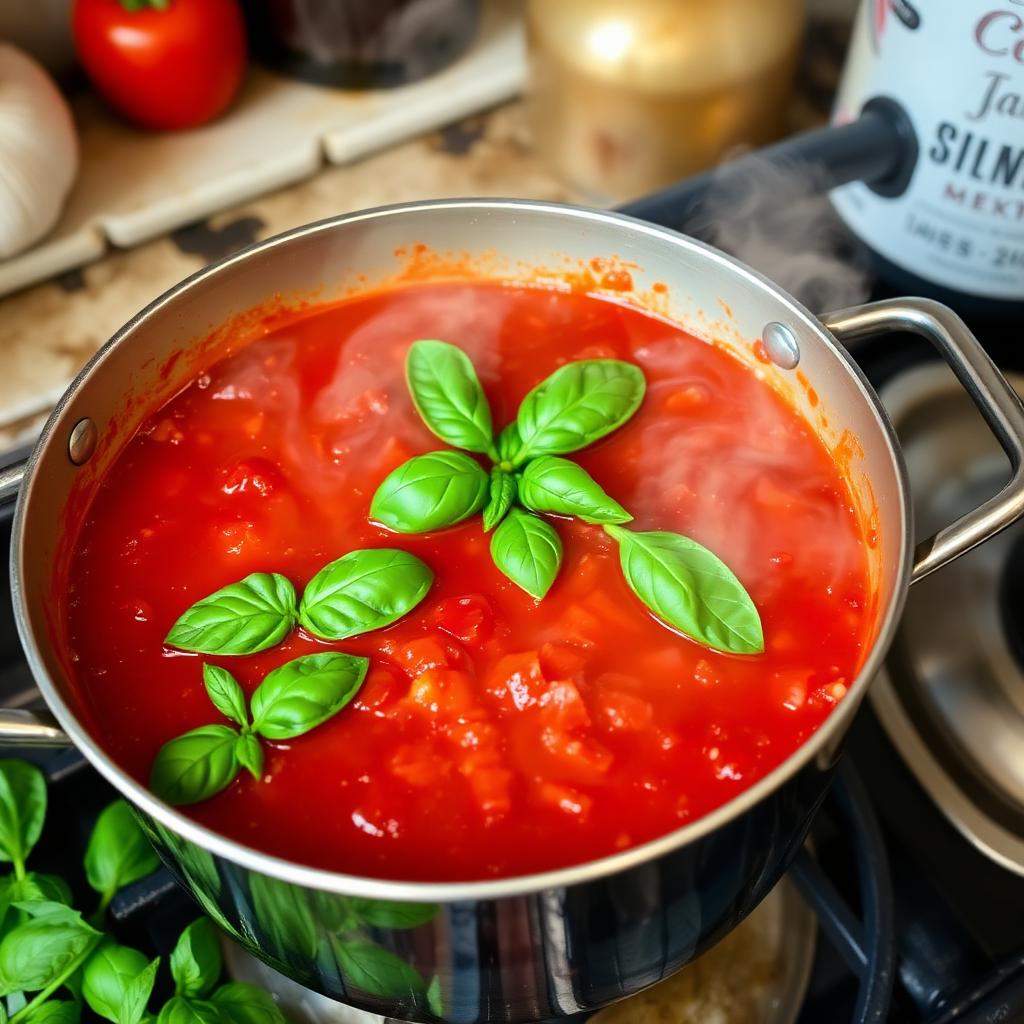
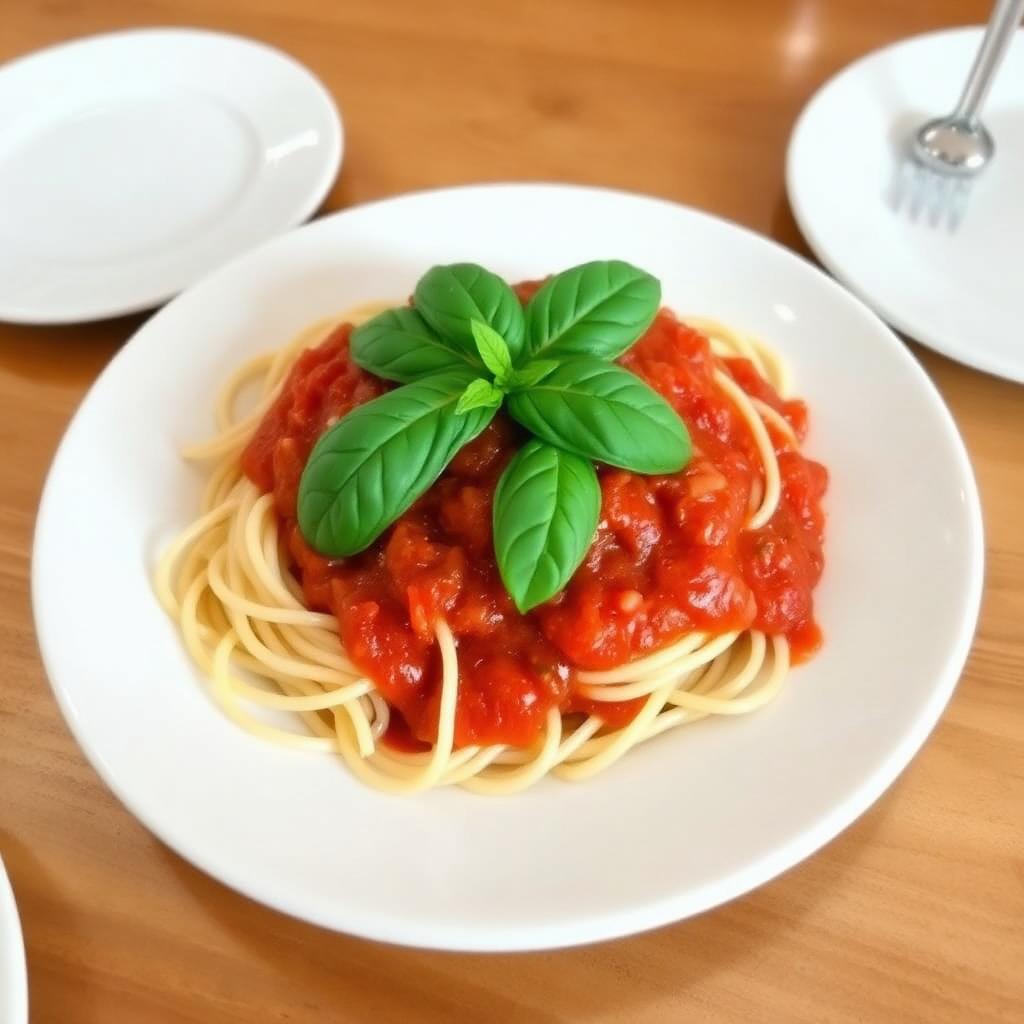
Marinara is a quick cooking Italian tomato sauce made of tomatoes, garlic, olive oil and basil or oregano. Pasta sauce is the umbrella category that includes marinara, Bolognese, vodka, Alfredo, pesto, arrabbiata and dozens of others.
What Defines a True Marinara
- Crushed or whole peeled tomatoes (San Marzano if you want classic).
- Garlic.
- Extra virgin olive oil.
- Fresh basil or dried oregano.
- Salt and pepper.
That is the whole list. No onions, no carrots, no celery, no meat, no cream and no sugar. The sauce simmers for 20 to 30 minutes, which is short by pasta sauce standards. The result is bright, acidic and slightly garlicky, designed to coat long pasta like spaghetti or linguine without overwhelming it.
How Marinara Sits Inside the Pasta Sauce Family
Pasta sauce is a huge category. Just within Italian cooking you find:
- Marinara: tomato, garlic, oil, herbs.
- Pomodoro: very similar but slow simmered, often smoother.
- Arrabbiata: marinara plus chilli.
- Puttanesca: tomato, anchovy, olives, capers, garlic.
- Bolognese / Ragu: long simmered meat, soffritto, tomato, milk and wine.
- Carbonara: egg, guanciale, Pecorino and pepper. No tomato.
- Cacio e pepe: Pecorino and black pepper.
- Alfredo: butter, Parmigiano and pasta water (American Alfredo adds cream).
- Pesto: basil, pine nuts, garlic, olive oil, Parmigiano.
- Vodka sauce: tomato, cream, vodka, shallot and chilli.
Each one is a pasta sauce. Only the first is marinara.
Where the Name Comes From
"Marinara" comes from "alla marinara", meaning "in the sailor's style". The traditional story is that 16th century Neapolitan sailors needed a sauce that travelled well: tomatoes were acidic enough to keep, garlic and oil were shelf stable, and herbs added flavour without needing meat or dairy. There is no historical evidence sailors actually cooked this on board, but the name stuck.
When You Should Use Each
- Marinara: spaghetti, linguine, pizza, dipping for mozzarella sticks, base for shakshuka style eggs.
- Other pasta sauces: match the shape to the sauce. Ragu loves tagliatelle and pappardelle. Pesto loves trofie and linguine. Carbonara loves spaghetti or rigatoni.
Ingredient Lists Side by Side
A traditional marinara is short: tomatoes, garlic, olive oil, salt, and usually basil or oregano. That is the whole recipe, and it cooks in 20 to 30 minutes because there is no meat or dairy to render down.
Jarred pasta sauce is a category rather than a recipe. The same shelf holds marinara, arrabbiata, vodka sauce, meat sauce, alfredo and roasted vegetable blends. Many contain onion, carrot, sugar, cheese or cream, none of which belong in a marinara.
Buying and Substituting
If a recipe calls for marinara and you only have generic pasta sauce, taste it first. A sweet or heavily herbed sauce will change the dish, and the usual fix is a splash of red wine vinegar or lemon to cut the sugar.
Going the other way is easier. Marinara works anywhere a plain tomato sauce is wanted, including as a pizza base if you reduce it first, as a dipping sauce for arancini, or as the tomato layer in a baked pasta.
Bottom Line
All marinara is pasta sauce, but not all pasta sauce is marinara. If a recipe calls for marinara specifically, use a simple tomato, garlic, oil and basil sauce, not a generic jar labelled "pasta sauce". And if a recipe just says "pasta sauce", you have a much wider menu to choose from.
Pasta Sauce and Marinara: Frequently Asked Questions
Are pasta sauce and marinara the same?
Marinara is a type of pasta sauce. All marinara is pasta sauce, but not all pasta sauce is marinara.
What makes marinara different from other pasta sauces?
Marinara is simple: tomatoes, garlic, olive oil, basil and salt. No meat, no cream, no long simmer.
Can I use marinara for lasagne?
Yes, but most cooks prefer a heartier bolognese or meat sauce for lasagne because marinara is light bodied.
Is marinara healthier than other pasta sauces?
Generally yes. It has fewer ingredients and usually less added sugar and oil than creamy or meat sauces.
How long does marinara keep in the fridge?
Five to seven days in an airtight container. Freeze for up to three months for longer storage.
Can I use marinara as a pizza sauce?
Yes, if you reduce it first so it does not soak the base. A 10 minute simmer usually does it.
Cooking with Marinara: More Reader Questions
How long should marinara simmer?
Twenty to thirty minutes is enough for the flavours to round out without losing the fresh tomato brightness.
Can I add cream to marinara?
Yes. A splash of cream turns marinara into rosa sauce, lovely with penne or tortellini.
Why is my marinara watery?
Either the tomatoes were too juicy or the simmer was too short. Cook uncovered for another 10 minutes.
Can I add wine to marinara?
A quarter cup of red wine deepens the flavour. Add it after the garlic and let it cook off.
Is jarred marinara as good as homemade?
Better jars are very close. Finish with fresh basil and a slick of olive oil to lift them.
Practical Tips and Final Notes
Finally, trust your senses. Sight, smell, and a small careful taste will tell you more than any printed date or internet rule. Cook often, ask why something worked, and your judgement will sharpen with every meal.