Quick Answer
No, pasta and spaghetti are not the same thing.
Pasta is the umbrella term for the whole family of dough based noodles made from durum wheat semolina and water, or sometimes eggs. Spaghetti is one specific shape inside that family: long, thin, solid round strands. Saying pasta and spaghetti are identical is like saying vehicle and sedan are identical.
How the Pasta Family Splits Up
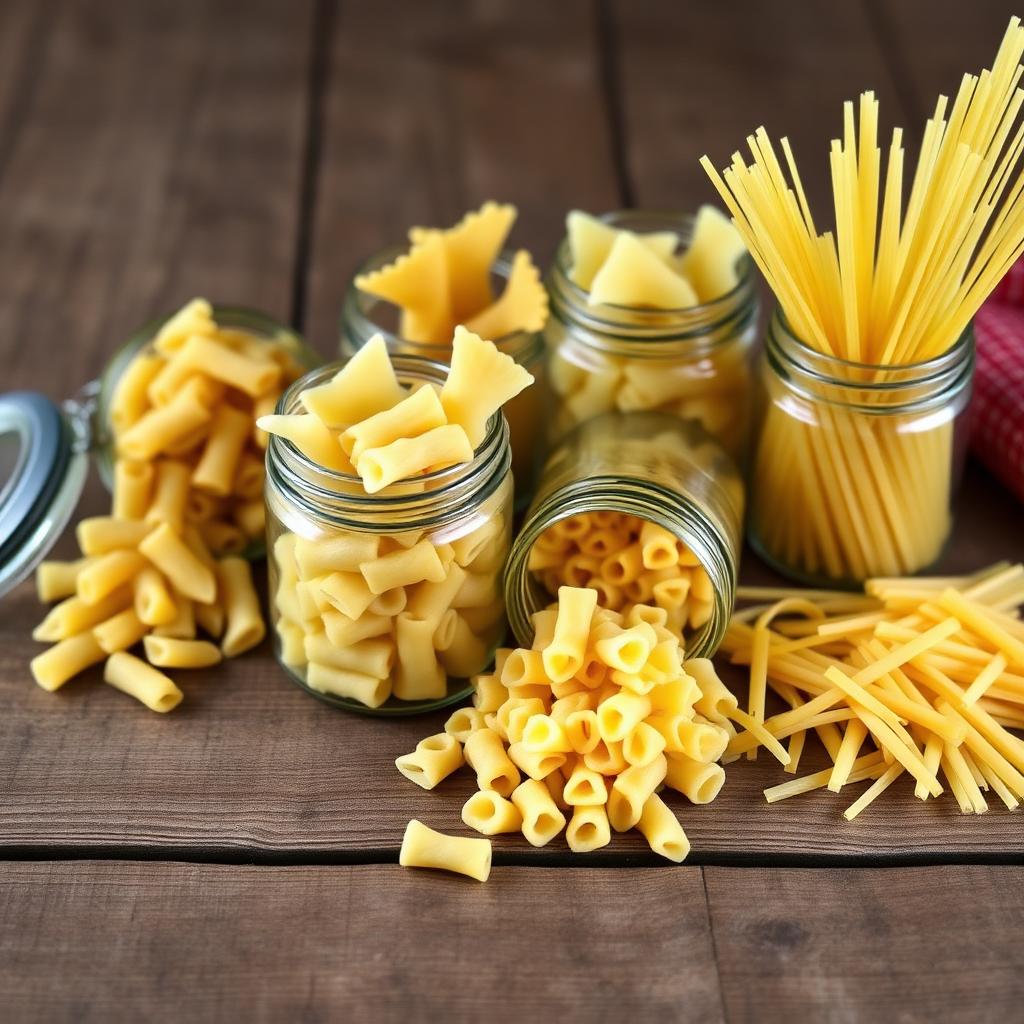
Italian and global pasta is typically grouped into a few broad categories:
- Long pasta: spaghetti, linguine, fettuccine, tagliatelle, bucatini, capellini (angel hair), pappardelle.
- Short pasta: penne, rigatoni, macaroni, ziti, fusilli, farfalle, orecchiette, cavatappi.
- Filled pasta: ravioli, tortellini, agnolotti, cappelletti.
- Sheet pasta: lasagne, cannelloni.
- Small soup pasta: ditalini, orzo, stelline, pastina.
- Hand shaped pasta: trofie, gnocchi, pici, strozzapreti.
Each shape is engineered for a different sauce. Long thin pasta like spaghetti pairs with light oil or tomato based sauces. Tubes like rigatoni and penne hold thick ragus and baked sauces. Filled pastas usually go with butter, sage or simple broth.
Where the Word Spaghetti Comes From
The word "spaghetti" is the plural diminutive of the Italian "spago", meaning string. So spaghetti literally means "little strings". The name first appeared in print in Italy in the mid 19th century. Before mass industrial drying, spaghetti was a regional southern Italian shape; it became globally dominant only after the rise of Neapolitan dried pasta exports and Italian American restaurant culture in the early 20th century.
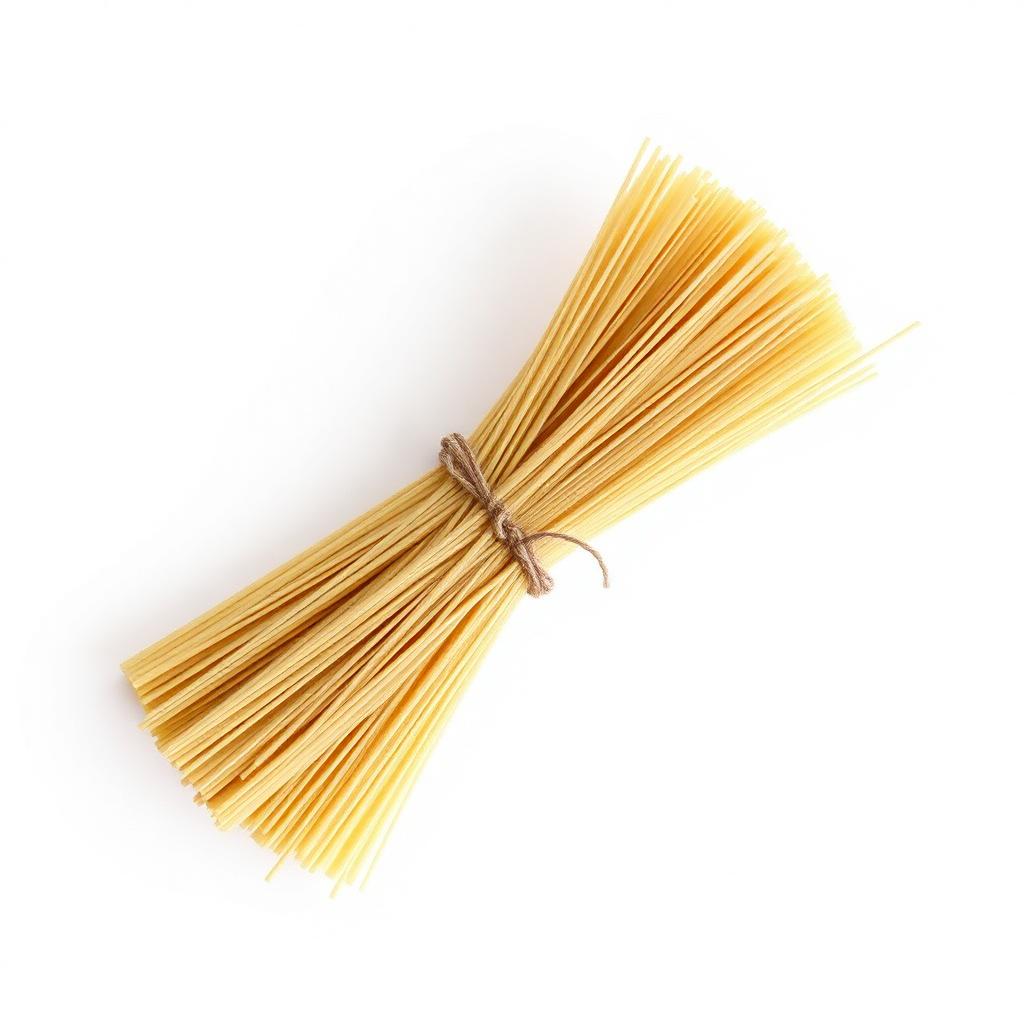
Spaghetti Is Not the Only "Spaghetti"
Even the spaghetti subfamily has variants:
- Spaghettini: slightly thinner than standard spaghetti.
- Spaghettoni: slightly thicker, with more bite.
- Bucatini: long hollow spaghetti, designed for cacio e pepe and amatriciana.
- Capellini / angel hair: extremely thin, cooks in 2 to 3 minutes.
How Italians Categorise Shapes
Italian usage splits pasta into pasta lunga (long shapes such as spaghetti, linguine and bucatini), pasta corta (short shapes such as penne and rigatoni), pasta ripiena (filled shapes such as ravioli and tortellini) and pastina (tiny shapes for soup).
Spaghetti sits inside the first group. Calling every pasta spaghetti is a bit like calling every soft drink cola: understandable, but it collapses a whole category into one member of it.
Why Shape Changes the Dish
Shape is a functional choice, not decoration. Long thin strands suit oil and light tomato sauces that can coat evenly. Tubes and ridged shapes hold chunky ragu because the sauce lodges inside the shape rather than sliding to the bottom of the bowl.
That is why a classic bolognese is served in Bologna with tagliatelle rather than spaghetti. The flat ribbon carries a meat sauce far better than a round strand does.
Bottom Line
All spaghetti is pasta, but most pasta is not spaghetti. If a recipe asks for spaghetti, use spaghetti specifically. If it just says pasta, you have hundreds of shapes to choose from and the right one depends on the sauce.
Pasta and Spaghetti: Frequently Asked Questions
Are pasta and spaghetti the same thing?
No. Spaghetti is one of many pasta shapes. Pasta is the category, spaghetti is a specific long, round, thin noodle.
How is spaghetti different from linguine?
Spaghetti is round in cross section. Linguine is flat and slightly wider, so it carries creamier sauces better.
Is angel hair just thin spaghetti?
Effectively yes. Capellini and angel hair are very thin long pasta, cooked for one to three minutes only.
Is whole wheat spaghetti still spaghetti?
Yes. The shape defines the name. Whole wheat or gluten free spaghetti is still spaghetti.
Why do Italians treat shapes so seriously?
Different shapes hold different sauces. Tubes catch chunky sauces, long thin pasta works with oil and light tomato.
What pairs best with spaghetti?
Tomato based sauces, light olive oil sauces like aglio e olio, and the classic carbonara.
More on Pasta Shapes: More Reader Questions
How many pasta shapes are there?
Over 350 documented shapes across Italy. Many regions have their own historic forms.
Why does shape matter for sauce?
Tubes catch chunky sauces, long strands suit oil and tomato, twists hold pesto well.
What is the smallest pasta shape?
Pastina, used in broths and baby food.
What is the largest?
Paccheri, very wide short tubes that hold seafood ragu beautifully.
Is fresh pasta always better?
Not always. Dry pasta has a chewier bite that suits hearty sauces. Fresh suits delicate butter or cream sauces.
What about gluten free spaghetti?
Corn and rice blends are the most spaghetti-like. Cook al dente and use them quickly because they soften fast.
Practical Tips and Final Notes
Finally, trust your senses. Sight, smell, and a small careful taste will tell you more than any printed date or internet rule. Cook often, ask why something worked, and your judgement will sharpen with every meal.