Quick Answer
No, pasta sauce and pizza sauce are not the same.
Pizza sauce is intentionally thick, often uncooked, and heavily seasoned to bake quickly on top of raw dough at very high oven temperatures. Pasta sauce is cooked beforehand, looser in texture and milder in flavour because it has time to develop on the stove.
How Pizza Sauce Is Built
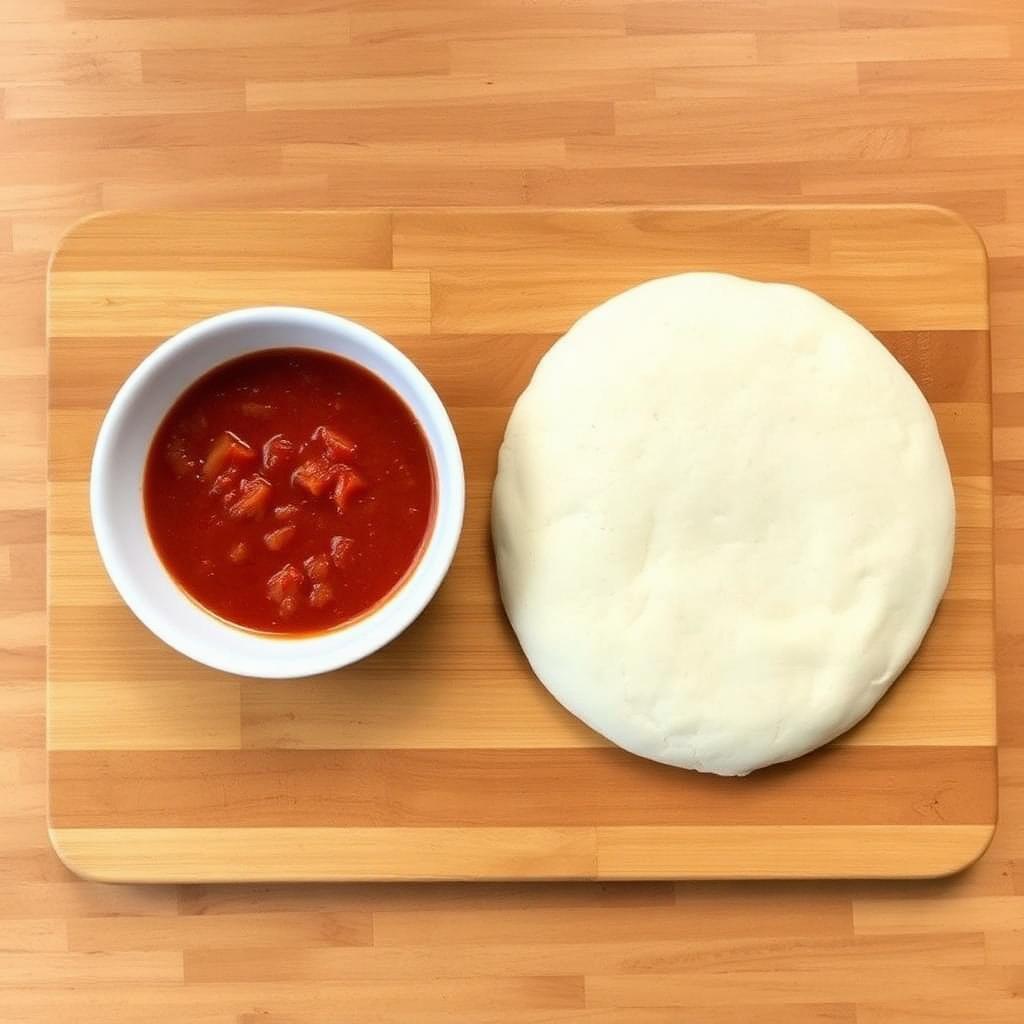
A classic Neapolitan style pizza sauce is uncooked. It is little more than crushed San Marzano tomatoes, salt, a drizzle of olive oil and sometimes a leaf of basil. The sauce cooks during the 60 to 90 seconds the pizza spends in a 480 C wood fired oven. American pizzeria sauces are usually thicker and herbier, with oregano, garlic powder, sugar and tomato paste added so they hold their flavour through a 7 to 10 minute bake at 230 to 260 C / 450 to 500 F.
How Pasta Sauce Is Built
Pasta sauce is cooked before it touches the pasta. The aromatics (garlic, onion, soffritto) are sweated in oil, tomatoes go in, the sauce simmers from 20 minutes for a marinara to several hours for a ragu, herbs balance, salt builds, fat emulsifies. The final consistency is loose enough to coat strands of pasta without sliding off the plate.
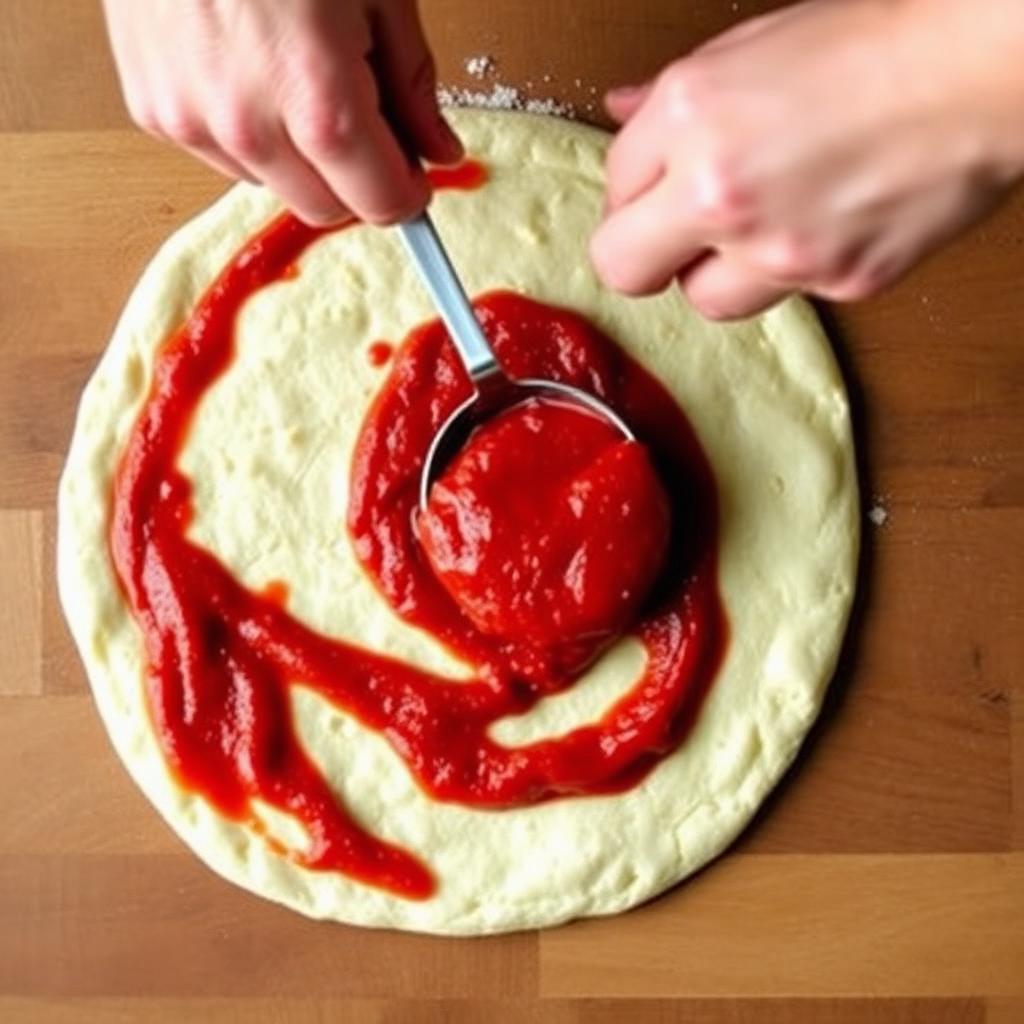
Three Real Differences That Matter at Home
- Water content: pizza sauce is roughly 20 to 30 percent thicker than pasta sauce because it cannot be cooked down on the pizza itself.
- Cook state: pizza sauce is often raw or barely warmed. Pasta sauce is fully cooked.
- Salt and herb intensity: pizza sauce is louder because it has to compete with cheese, oil and crust char. Pasta sauce is dialled back because it is in direct contact with seasoned pasta water and Parmigiano.
Can You Use One in Place of the Other?
- Pasta sauce on pizza: only after draining off the extra water, stirring in tomato paste, and bumping up the herbs and salt.
- Pizza sauce on pasta: works better than the reverse. Loosen it with a splash of starchy pasta water, a drizzle of olive oil, and a few cracks of pepper.
Water Content Is the Real Difference
Pizza sauce is usually uncooked crushed tomato, seasoned and spread straight onto the dough. It is thick because any excess water will steam into the base during the bake and leave a soggy centre.
Pasta sauce is cooked, often for a long time, and carries more liquid because it needs to loosen and coat strands of pasta. Pour that same sauce on a raw dough and the bake fights the moisture the whole way.
How to Convert One Into the Other
To turn pasta sauce into pizza sauce, simmer it uncovered until it holds a line when you drag a spoon through the pan, then cool it before spreading. Blitzing it smooth helps too, since chunks of onion or vegetable make an uneven bake.
To turn pizza sauce into pasta sauce, thin it with a ladle of starchy pasta water and finish with olive oil or butter off the heat. The starch in the water is what makes the sauce cling rather than slide off.
Bottom Line
Pizza sauce and pasta sauce share a base ingredient but are tuned for completely different jobs. Pizza sauce is thick, raw and assertive; pasta sauce is cooked, loose and balanced. Buy or make whichever the recipe asks for; if you must substitute, adjust water, salt and herbs accordingly.
Pasta and Pizza Sauce: Frequently Asked Questions
Are pasta and pizza sauce the same?
No. Pasta sauce is cooked and thinner. Pizza sauce is usually raw, thicker, and seasoned for a short bake.
Can I use pasta sauce on pizza?
Yes, but reduce it first so the base does not turn soggy. Add extra oregano for a more classic pizza profile.
Can I use pizza sauce on pasta?
Yes. Loosen it with a splash of pasta water and a knob of butter so it coats the noodles properly.
Why is pizza sauce thicker than pasta sauce?
It needs to sit on a dough base in a very hot oven without bleeding into the crust.
Do restaurants make pasta sauce and pizza sauce separately?
Most do. The seasoning, fat content and cook time are tuned to the application.
What herbs go in each?
Pasta sauce leans on basil and parsley. Pizza sauce leans on dried oregano with a little basil.
Sauce Quantities and Pairings: More Reader Questions
How much pizza sauce per pizza?
Two to three tablespoons for a 12 inch base, spread thinly with the back of a spoon.
How much pasta sauce per portion?
About 120 to 150 grams of sauce per 80 grams of dry pasta gives a well coated, not drowned, result.
Can I freeze pizza sauce?
Yes. Freeze flat in zip bags so you can snap off the amount you need.
Best cheese with pizza sauce?
Low moisture mozzarella browns better than fresh. Add a few torn fresh pieces in the last minute for flavour.
Best cheese with pasta sauce?
Pecorino or parmesan grated just before serving. Avoid pre-grated tubs because they contain anti-caking agents.
Practical Tips and Final Notes
Finally, trust your senses. Sight, smell, and a small careful taste will tell you more than any printed date or internet rule. Cook often, ask why something worked, and your judgement will sharpen with every meal.